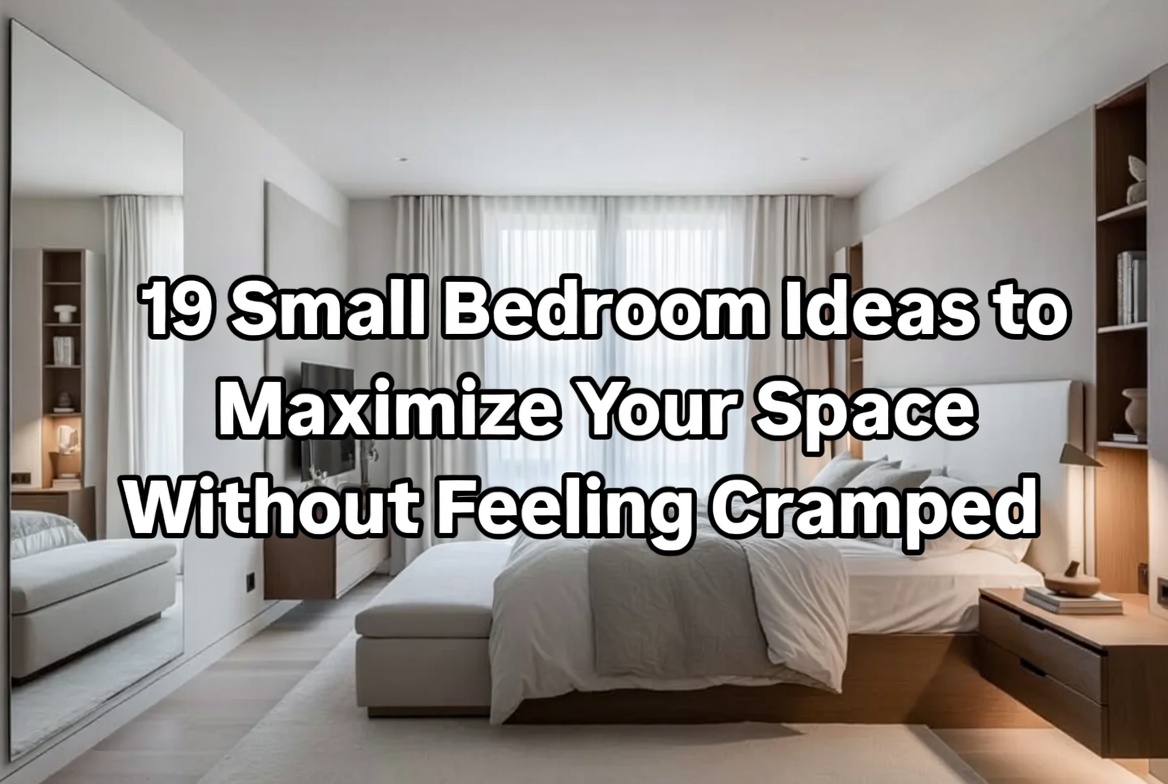
19 Small Bedroom Ideas to Maximize Your Space Without Feeling Cramped
You keep saving small bedroom inspo, but when you look at your own room, it just feels… tight. There’s stuff everywhere, nothing has a proper place, and no matter how much you tidy, it still looks crowded. I’ve been there. Small bedrooms aren’t the problem — it’s how the space is being used.
The good news? You don’t need to knock down walls or buy expensive furniture to fix it. A few smart changes can make your room feel bigger, calmer, and actually enjoyable to be in.
In this post, I’m sharing 19 small bedroom ideas to maximize your space. These are real, doable changes you can start this weekend — from layout tweaks to storage tricks that don’t look ugly. If you want a room that feels open but still cozy, keep reading.
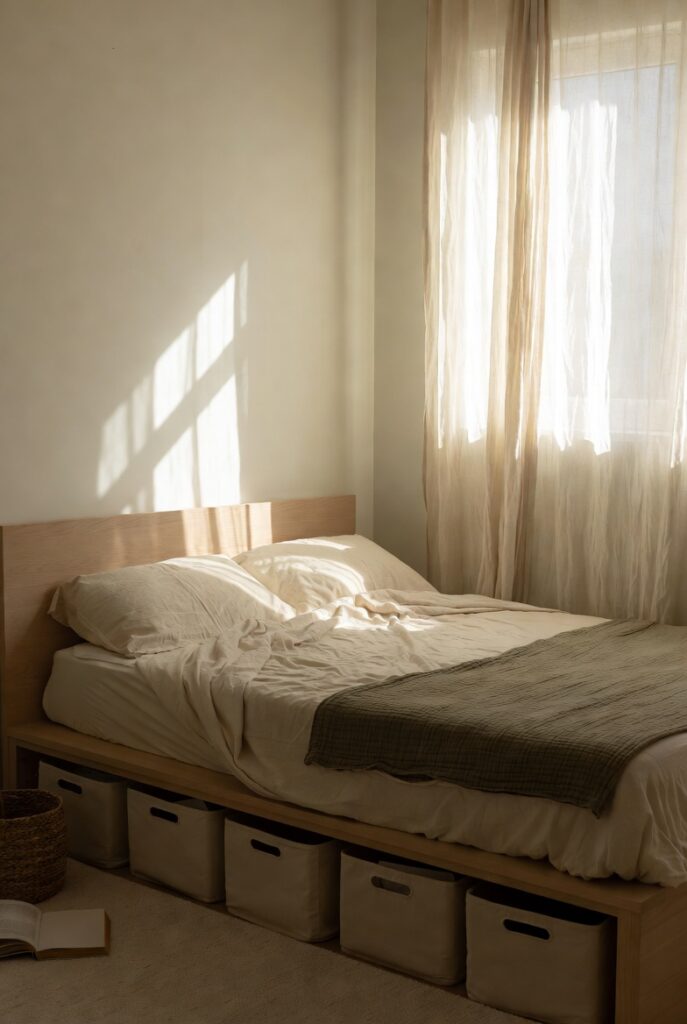
1. Lift Your Bed with Under-Bed Storage That Actually Looks Good
A small bedroom feels messy fast when things have no home. That space under your bed? It’s prime real estate.
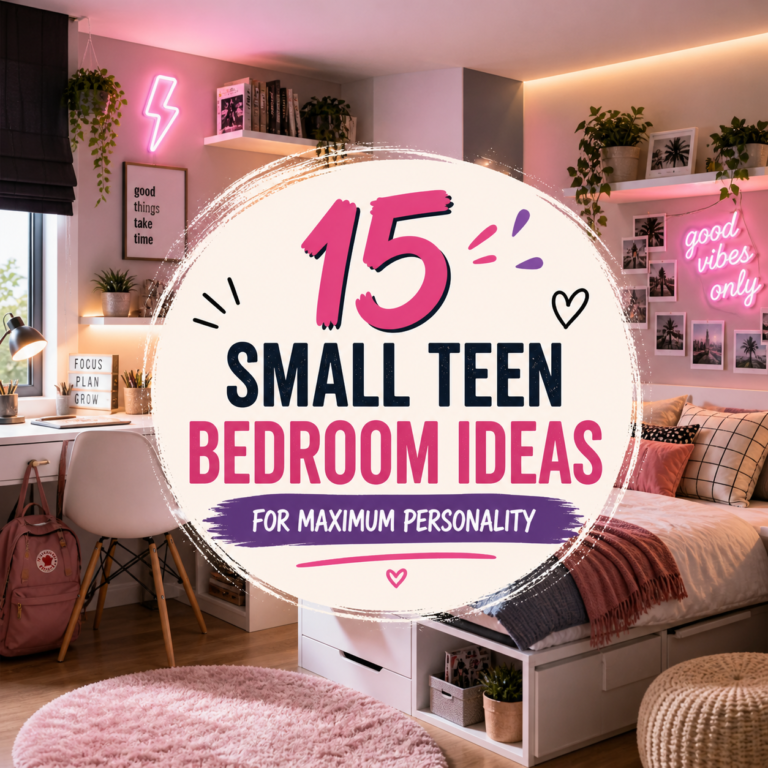
When you slide in low-profile storage bins or fabric drawers, the whole room instantly feels calmer. You don’t see clutter, but it’s still easy to access. What I love about this is how it clears surfaces without adding bulky furniture.
Go for flat bins (6–8 inches tall) with lids to keep dust out. Use them for off-season clothes, extra bedding, or even shoes. If your bed sits low, bed risers can give you an extra 3–5 inches of space for under $20. Biggest mistake I see? Using random boxes that look chaotic. Stick to matching bins for a clean look.
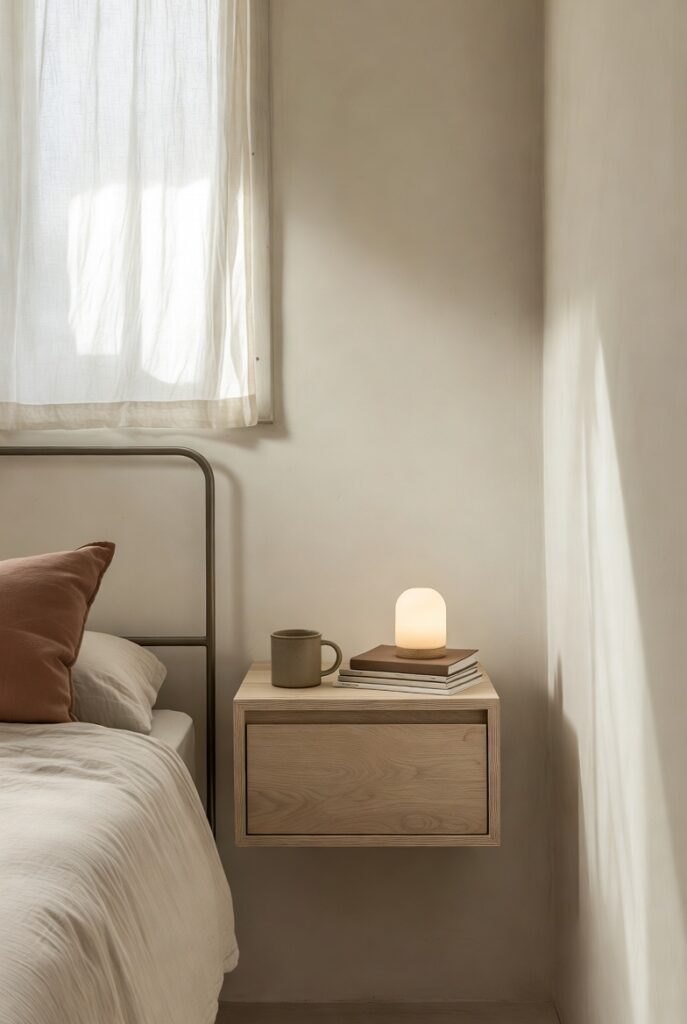
2. Use Wall-Mounted Nightstands Instead of Bulky Tables
Traditional nightstands take up more space than you think. In a small bedroom, every inch matters.
A floating shelf beside your bed gives you just enough room for essentials without crowding the floor. The room feels lighter because you can see more of it. In my experience, this one change makes a room feel instantly bigger.
Install a shelf about 24–28 inches from the floor. Keep it simple — a lamp, one book, maybe a small dish. If you need storage, choose a wall-mounted drawer style. Budget options start around $15–$40 online. Avoid overloading it — clutter defeats the whole point.
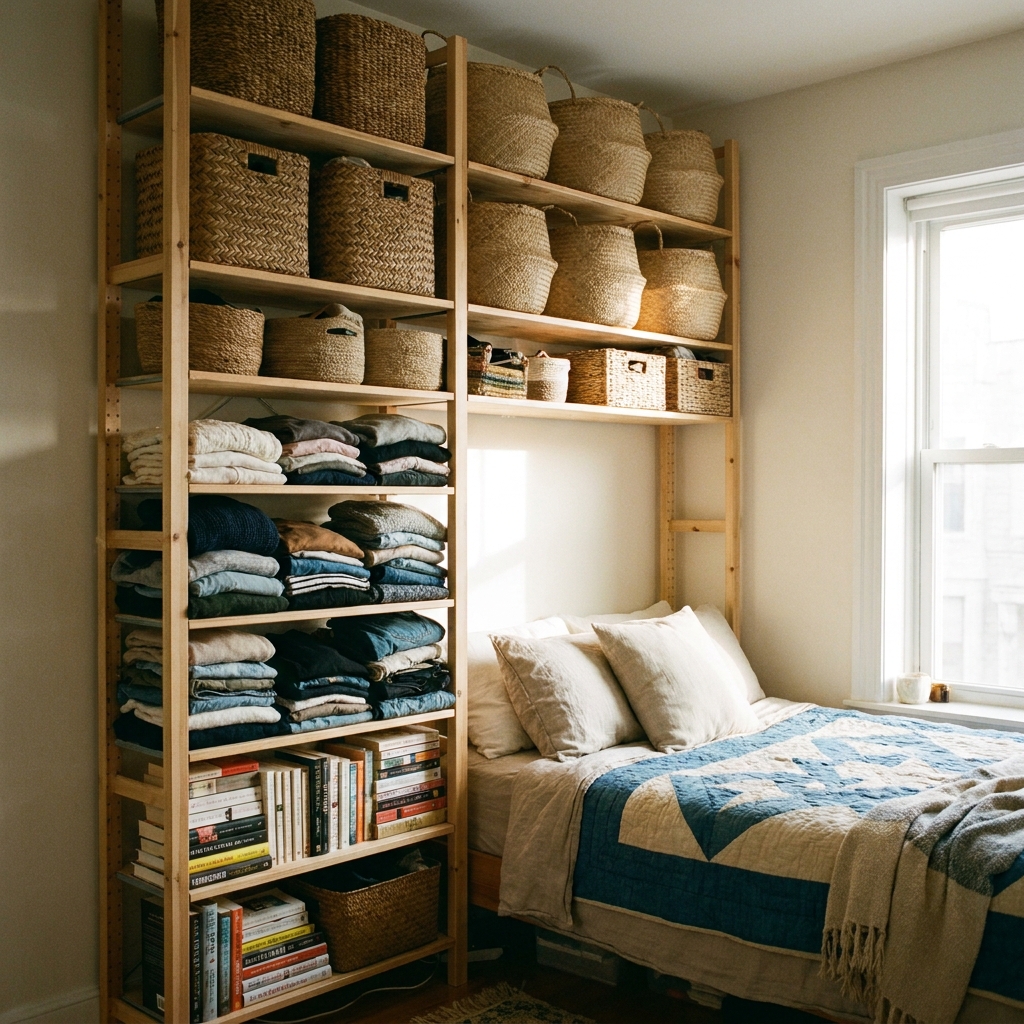
3. Go Vertical with Floor-to-Ceiling Storage
When floor space is tight, look up. Most people don’t use their vertical space properly.
Tall shelving or wardrobes draw the eye upward, which makes the room feel taller. It also gives you way more storage without spreading things out. I always suggest this when someone says their room feels cramped.
Choose a slim unit that goes as close to the ceiling as possible. Use lower shelves for daily items and higher ones for rarely used stuff. Add baskets to keep it tidy. A basic tall shelf can cost $50–$120. The mistake? Leaving the top empty — that wasted space adds visual clutter.
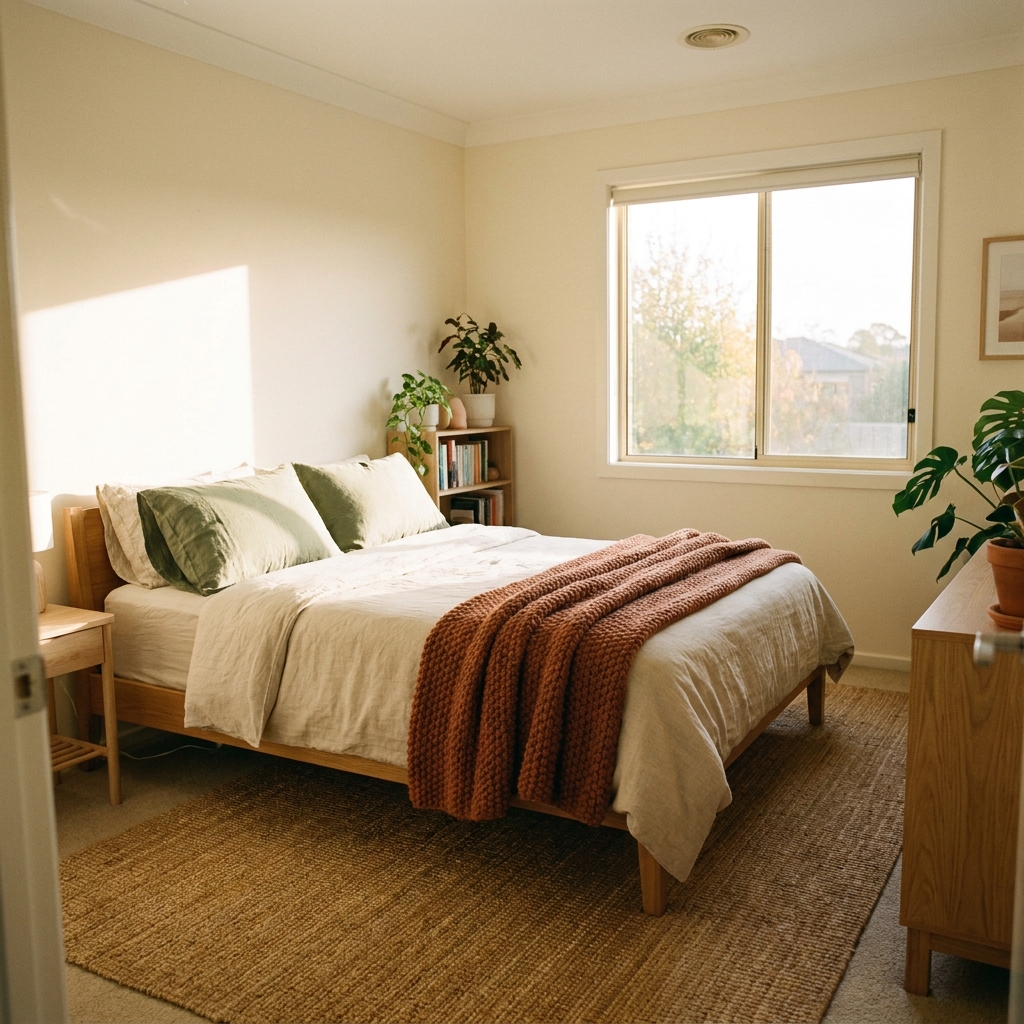
4. Use Light Colors, But Add Warm Contrast
All-white rooms can feel flat. But dark colors everywhere shrink a room visually.
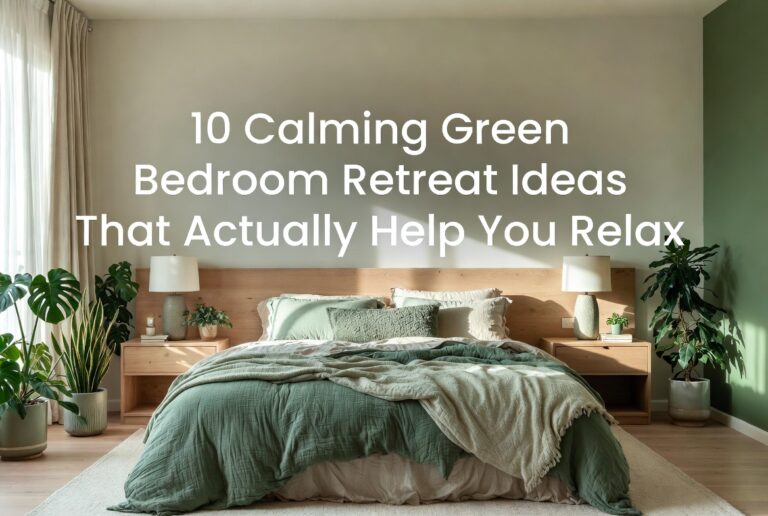
The trick is balance. Light walls (white, cream, soft beige) make the room feel open, while small touches of color add warmth. What I love about this approach is how it feels calm but not boring.
Keep walls light. Add color through pillows, throws, or a rug — think sage green, dusty rose, or muted terracotta. You can refresh these for under $30–$80. Biggest mistake? Matching everything exactly. Mix tones for a natural look.
5. Install Wall Hooks Instead of Adding Furniture
Chairs and racks pile up fast in a small room. Hooks solve that.
They hold bags, jackets, even accessories without eating floor space. Plus, they can look decorative if you choose the right ones.
Install hooks behind the door or along one wall. Space them evenly (about 6–8 inches apart). Use wood or matte black for a clean look. Sets cost around $10–$25. A lot of people skip this, but it makes such a difference.
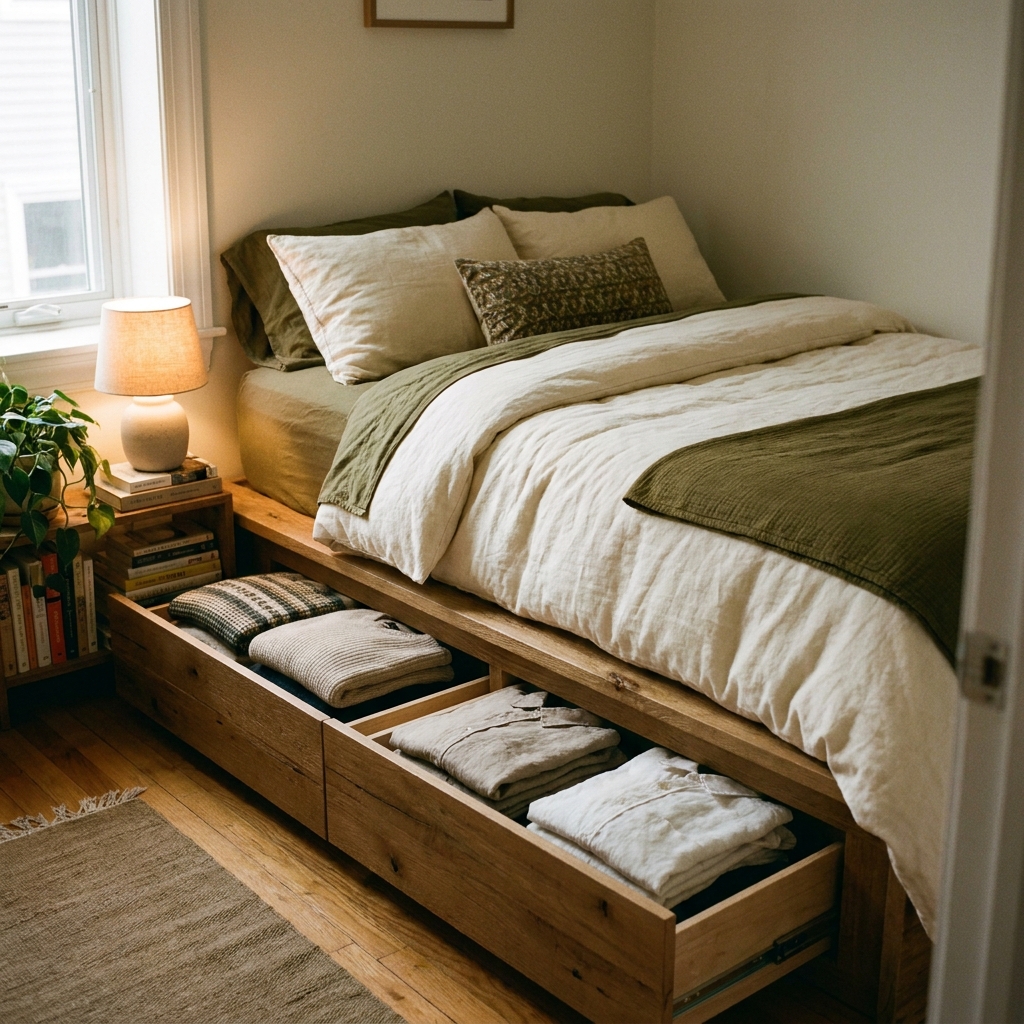
6. Choose a Bed with Built-In Drawers
If you’re short on storage, your bed should work harder.
Beds with drawers underneath replace the need for a dresser in some cases. That frees up space and keeps everything hidden.
Look for beds with 2–4 drawers on the sides. Store clothes, linens, or even books. Prices range from $150–$400 depending on quality. My tip? Don’t overfill drawers — they get hard to use.
7. Hang Curtains Higher Than Your Window
This one sounds small, but it changes everything visually.
When curtains are hung closer to the ceiling, the room feels taller. It tricks the eye in a good way.
Install curtain rods 6–10 inches above the window frame. Let the curtains fall just to the floor. Light fabrics like linen work best. Budget: $20–$60. Biggest mistake? Short curtains that stop at the window — they cut the wall visually.
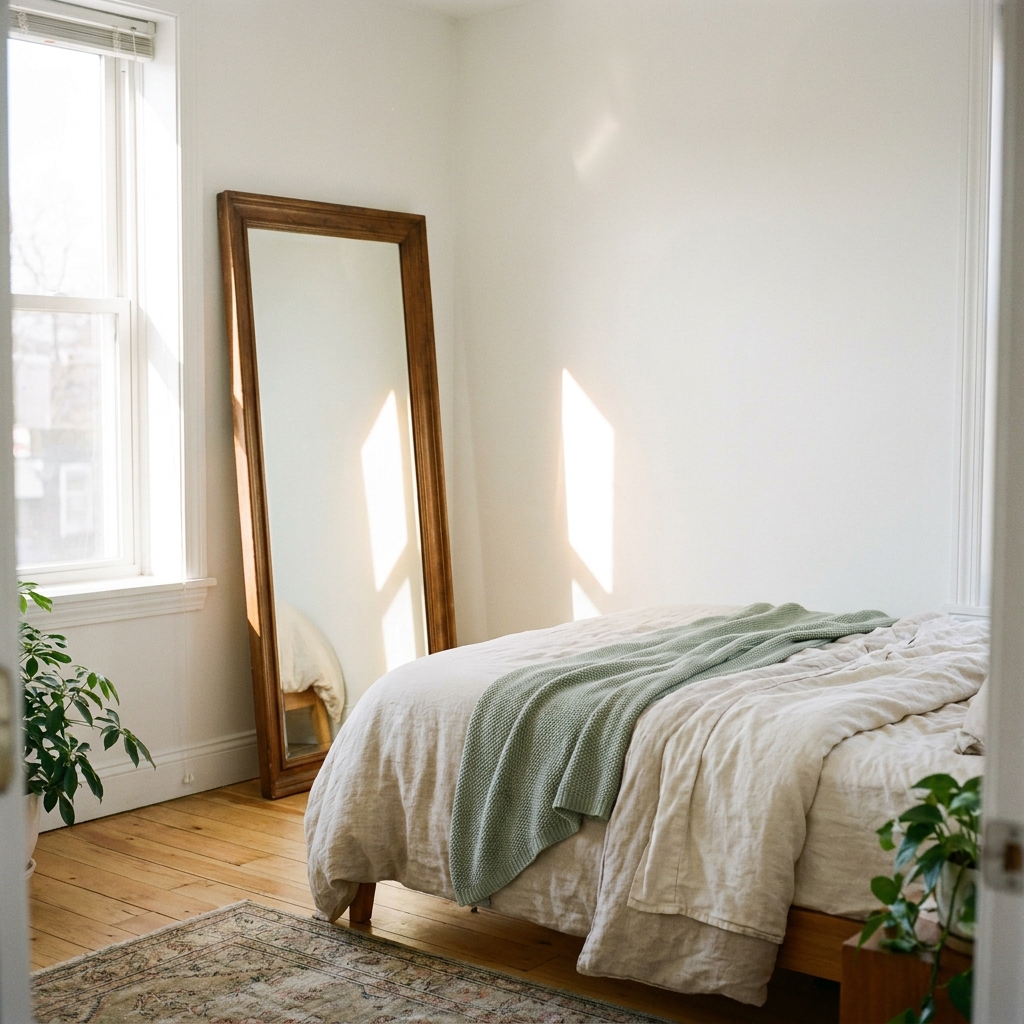
8. Use Mirrors to Reflect Light and Space
Mirrors aren’t just for checking outfits. They open up a room.
They bounce light around and make the space feel double its size. I always suggest placing one where it reflects a window.
Go for a full-length mirror leaning against a wall or mounted. Even a medium mirror above a dresser works. Budget ranges from $25–$100. Avoid placing it where it reflects clutter.
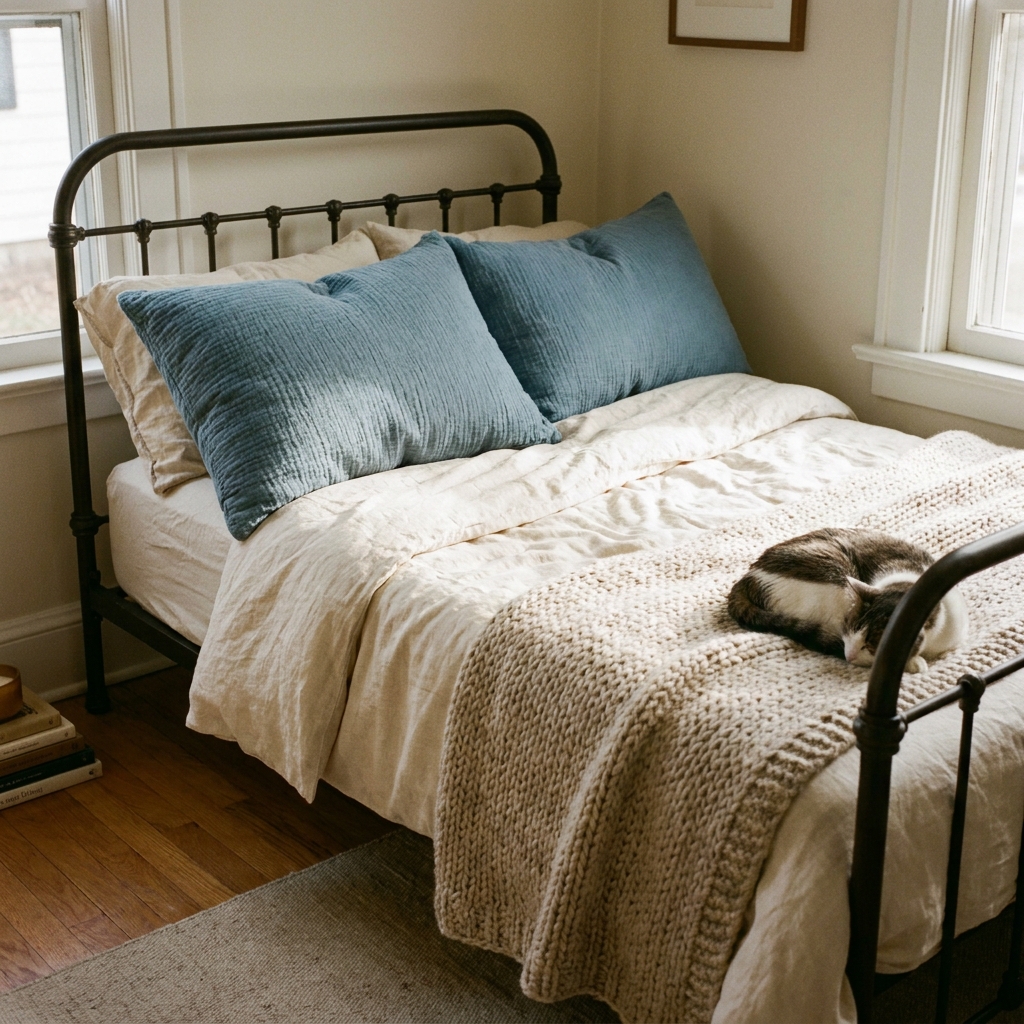
9. Keep Your Bedding Simple and Layered
Heavy, busy bedding makes a room feel crowded.
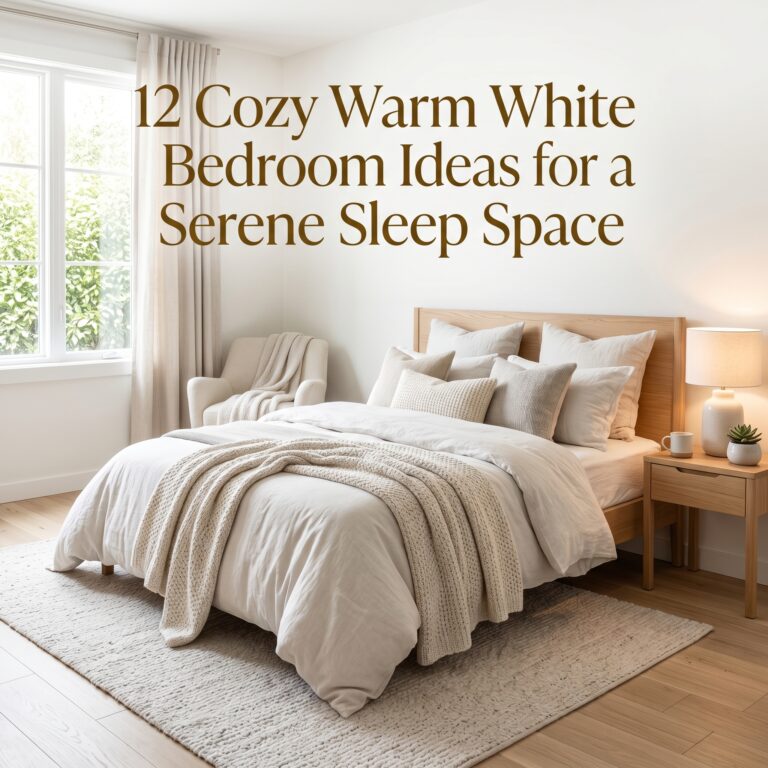
Simple layers feel lighter and calmer. It also makes the bed look more inviting.
Stick to 2–3 colors. Use one duvet, two pillows, and one accent cushion. Add a throw for texture. You can achieve this look for $40–$100. Biggest mistake? Too many pillows.
10. Use a Slim Desk Instead of a Bulky Table
If you need a workspace, keep it compact.
A narrow desk (16–20 inches deep) fits easily without crowding the room. It gives you function without sacrificing space.
Pair it with a simple chair that tucks in fully. Wall-mounted desks are even better. Budget: $40–$120. Avoid large office chairs.
11. Declutter Ruthlessly (Yes, Really)
No design trick beats less stuff.
A small room can feel amazing if it’s not overloaded. In my experience, the biggest mistake here is keeping things “just in case.”
Go through your items and keep what you use weekly. Store or donate the rest. This costs nothing but changes everything.
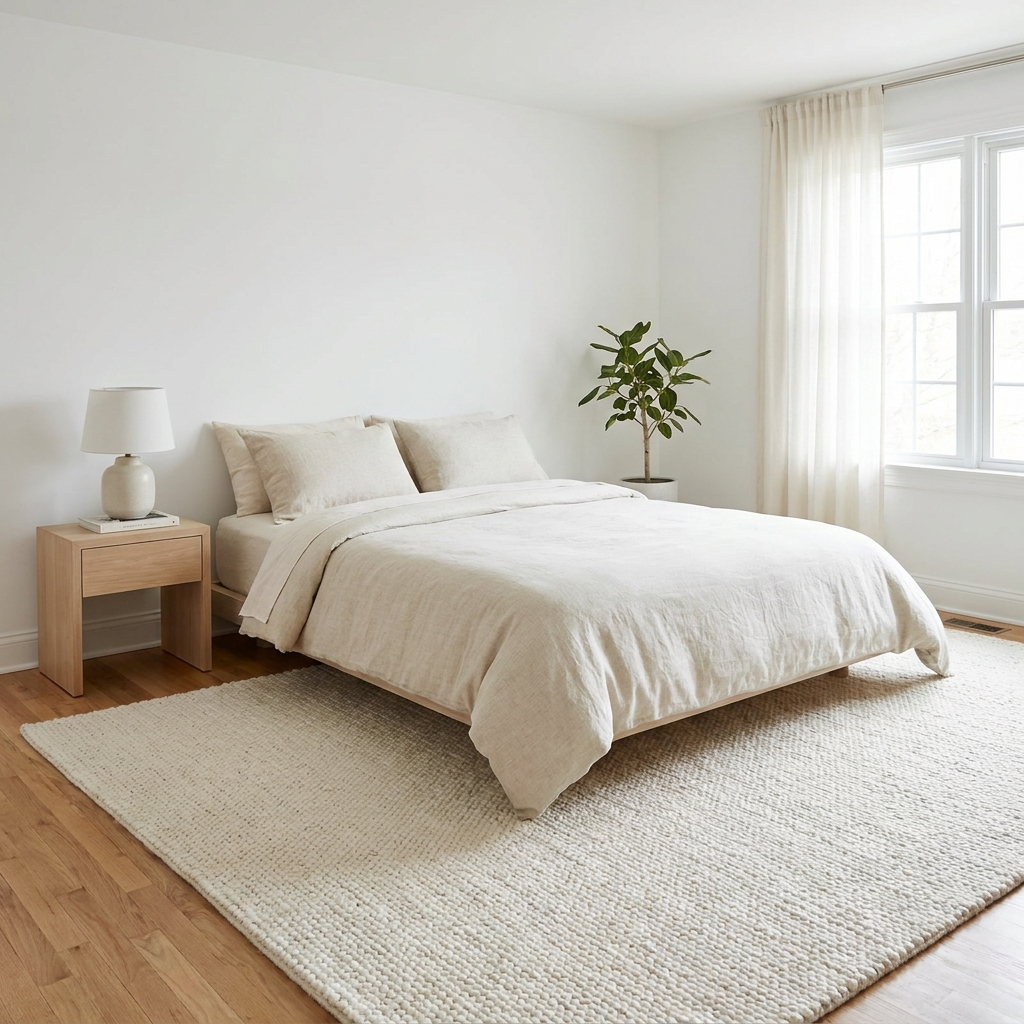
12. Use Multi-Functional Furniture
Every piece should earn its place.
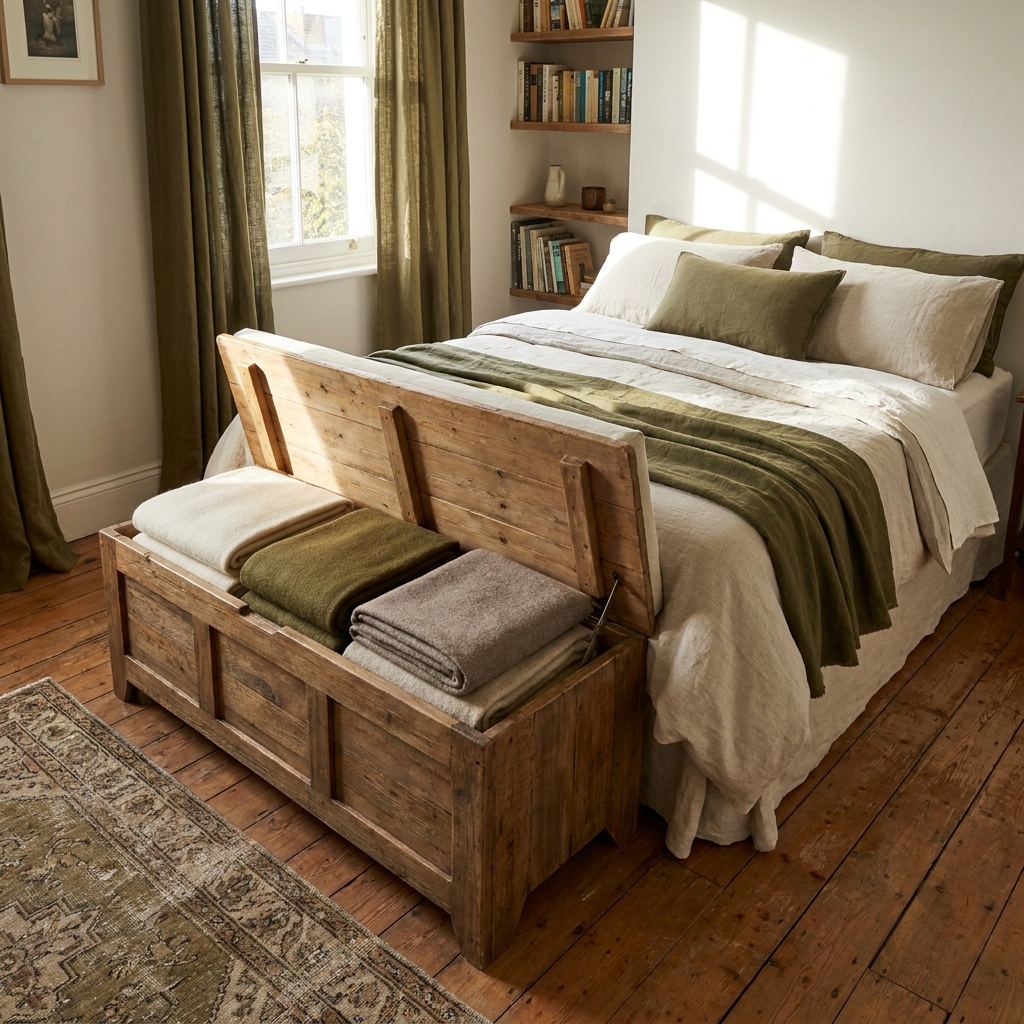
Think benches with storage, foldable desks, or ottomans that open. These save space while adding function.
Look for items that serve two purposes. Prices range from $30–$150. Avoid single-use bulky furniture.
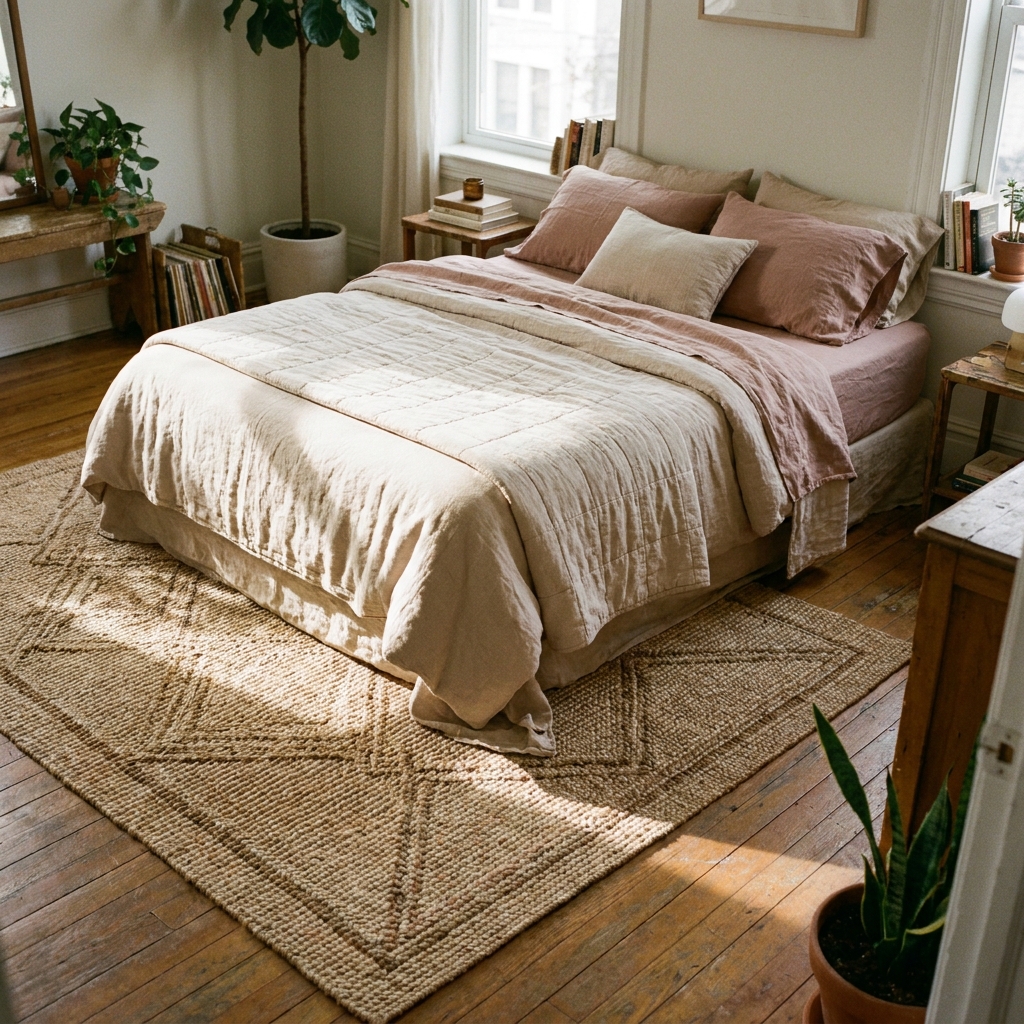
13. Add a Rug to Define the Space
A rug makes a small room feel put together.
It grounds the bed and creates a sense of structure, which reduces visual clutter.
Choose a rug large enough to go under the bed (at least halfway). Neutral or soft patterns work best. Budget: $40–$120. Too small rugs look awkward.
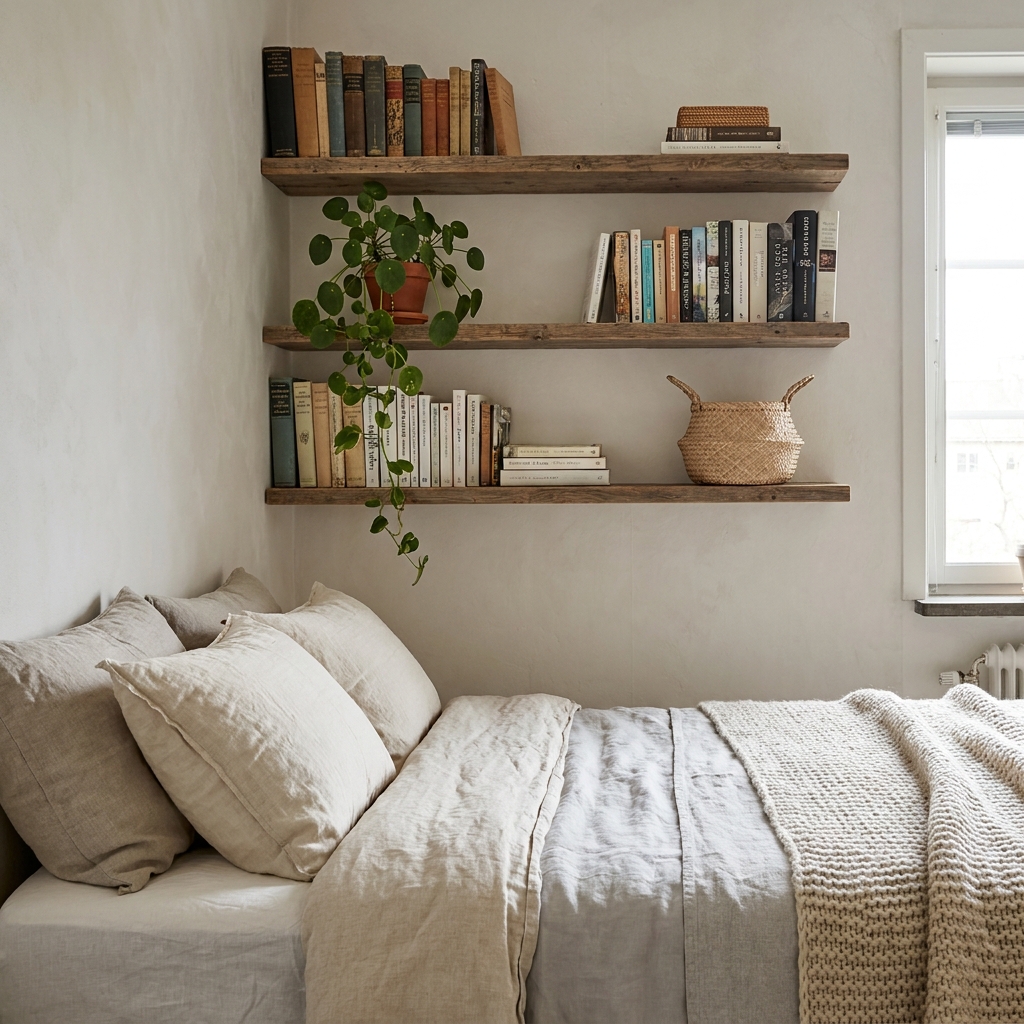
14. Use Open Shelving for Decor and Storage
Closed storage can feel heavy.
Open shelves keep things accessible and visually light when styled right.
Place 2–3 shelves above your bed or desk. Mix books, baskets, and small decor. Budget: $20–$60. Don’t overcrowd them.
15. Keep the Floor as Clear as Possible
The more floor you see, the bigger the room feels.
This is one of the simplest tricks but often ignored.
Lift items off the ground — use wall storage, under-bed storage, or compact furniture. Free solution, big impact.
16. Use Soft Lighting Instead of Harsh Overhead Lights
Lighting changes how a room feels instantly.
Soft lighting makes a small space feel cozy instead of cramped.
Use table lamps, wall lights, or warm bulbs. Budget: $10–$40. Avoid bright white light.
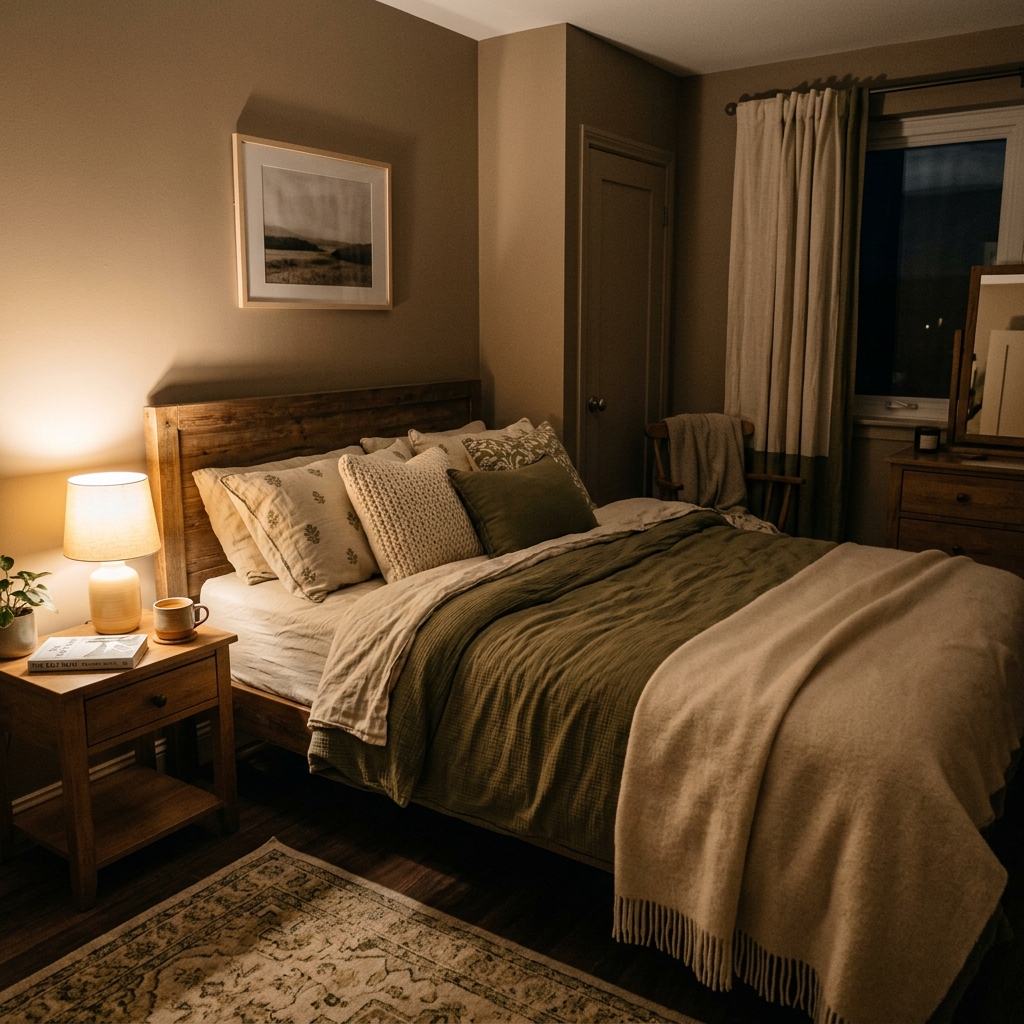
17. Add One Statement Piece, Not Ten Small Ones
Too many small decor items create clutter.
One larger piece feels cleaner and more intentional.
Choose one artwork, mirror, or headboard that stands out. Budget: $30–$100. Avoid filling every wall.
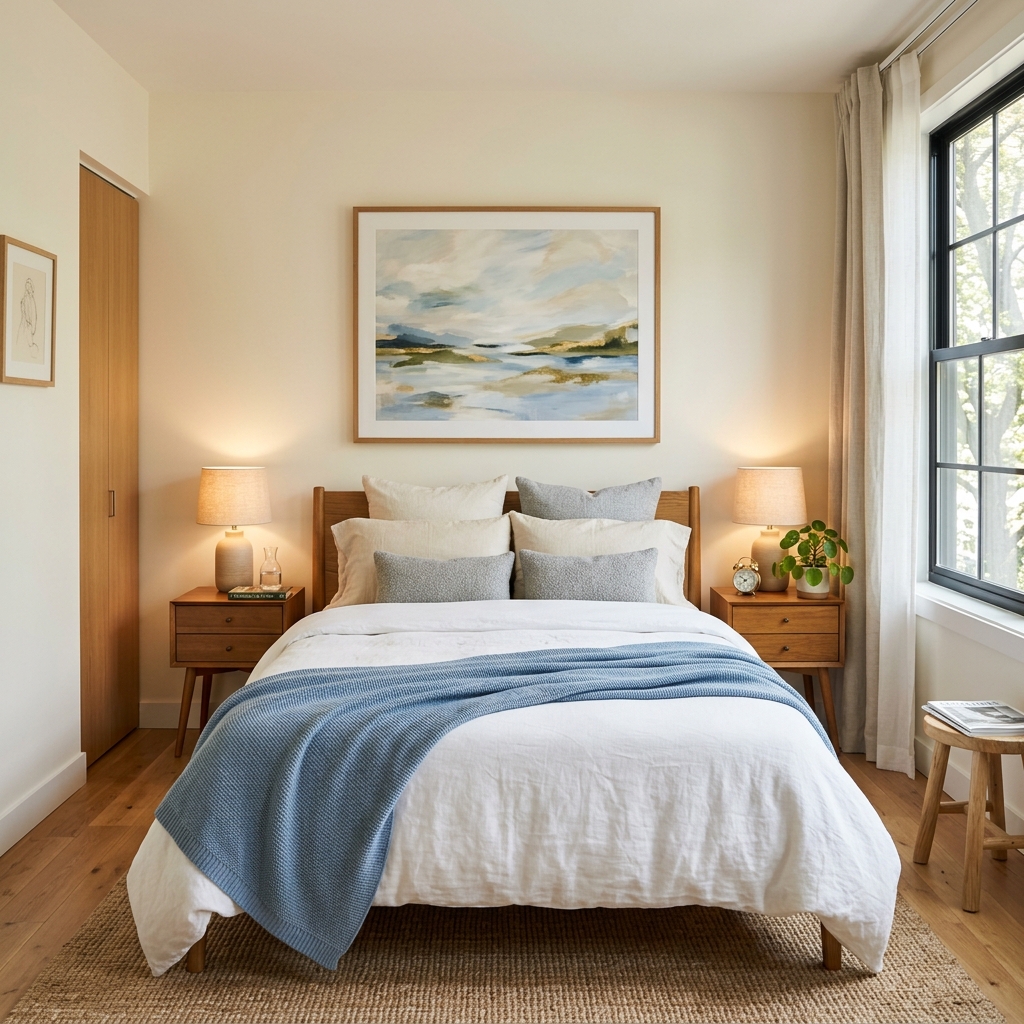
18. Use Sliding Doors or Curtains for Closets
Swing doors take up space.
Sliding doors or curtains free up movement and make the room feel easier to use.
Install a curtain rod or sliding track. Budget: $20–$80. Choose light fabrics for a softer look.
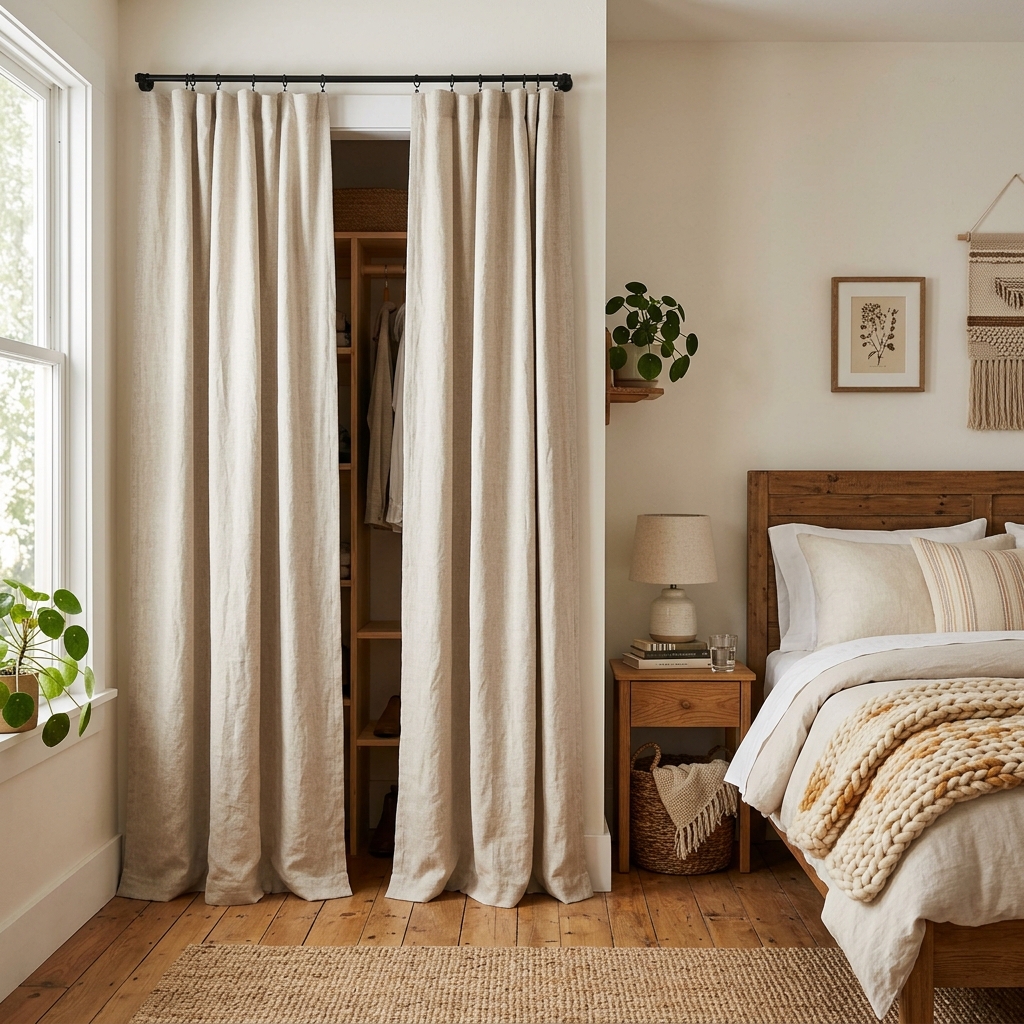
19. Keep a Consistent Color Palette
Too many colors break up the space visually.
A consistent palette makes everything feel connected and calm.
Stick to 2–3 main colors and repeat them across the room. This costs nothing but changes the feel completely. Biggest mistake? Mixing too many bold shades.
Conclusion
Small bedrooms can feel frustrating, especially when you’re trying to make them work for real life. But the truth is, you don’t need more space — you just need smarter use of the space you already have.
These 19 small bedroom ideas to maximize your space aren’t about perfection. They’re about making your room feel lighter, calmer, and easier to live in. Start with one or two changes. Maybe clear your floor, switch your nightstand, or rethink your storage.
Once you see the difference, it gets easier to keep going.
Which of these small bedroom ideas are you trying first? Tell me in the comments — I genuinely want to know.
FAQs
How do I make a small bedroom look bigger without spending money?
Start by decluttering and rearranging what you already have. Clear the floor, remove extra furniture, and use vertical space. Even moving your bed to a better position can make a difference. In my experience, less really does feel like more here.
What colors are best for small bedrooms?
Light, neutral shades like white, cream, and soft beige work best as a base. Add warmth with muted colors like sage green or dusty rose. Avoid too many dark or bold shades, as they can make the room feel smaller.
How can I add storage to a small bedroom?
Use under-bed storage, wall shelves, and multi-functional furniture. Beds with drawers and wall-mounted hooks are especially useful. The key is to use hidden or vertical storage instead of adding bulky pieces.
Is a big bed bad for a small bedroom?
Not always, but it depends on the layout. If your bed takes up most of the room, you need to simplify everything else. Use minimal furniture and keep the area around the bed clear.
What is the biggest mistake people make in small bedrooms?
Keeping too much stuff. A lot of people try to organize clutter instead of reducing it. Start by removing what you don’t use — everything else becomes easier after that.