21 Lob Haircuts for Thin Hair That Add Movement
Thin hair can make haircut decisions feel more complicated than they should. Keep too much length and the ends may look flat. Add too many layers and the hair can appear even finer. You may want movement and shape, but still need enough weight through the ends to create a fuller look.
These 21 lob haircuts for thin hair that add movement offer a practical middle ground. A lob sits between a bob and longer hair, usually falling from the collarbone to just above the shoulders. That length gives you enough freedom for waves, ponytails, and soft updos while removing the weight that can pull fine strands down.
This guide includes blunt lobs, subtle layers, side parts, curtain bangs, textured ends, and low maintenance options. Each idea explains why the cut works, what to ask for at the salon, and how to style it without coating your hair in heavy products. Whether you prefer a smooth finish or relaxed waves, these cuts can help thin hair look lighter, fuller, and more naturally active.
1. Blunt Collarbone Lob for Fuller Ends
A blunt collarbone lob creates a strong, clean line that makes thin ends appear denser. The hair falls smoothly over the shoulders with very little layering, giving the cut a polished shape that looks especially fresh with soft knits, cotton shirts, and simple jewelry. The solid edge also catches natural light beautifully.
Ask your stylist to cut the length at or slightly above the collarbone. Keep the perimeter blunt, but request gentle internal shaping if your hair needs movement. Use a round brush to turn the ends slightly inward, then finish with a lightweight shine mist. In my experience, the biggest mistake here is adding too many short layers, which can weaken the full outline. A salon cut usually costs between $45 and $110, while a round brush and light finishing spray may cost $20 to $40.
2. Soft Layered Lob With Natural Movement
Soft layers give a lob gentle movement without removing too much density. The hair shifts lightly around the shoulders, creating a relaxed shape that feels airy but not thin. This cut works beautifully when you want more life through the middle lengths while keeping the bottom edge substantial.
Ask for long, blended layers that begin below the chin. The shortest pieces should connect smoothly into the rest of the cut rather than sitting separately. Apply a small amount of volumizing mousse to damp roots, then blow dry with your head tilted slightly forward. A lot of people request too many visible layers, but subtle shaping usually works better on fine hair. A professional cut may cost $50 to $120, while mousse generally ranges from $10 to $25.
3. Side Part Lob Haircut for Thin Hair
A deep side part moves more hair across one side of the head, making the front and crown appear fuller. The diagonal shape adds movement around the face and creates a soft sweep that works well with both smooth styling and relaxed waves.
Ask your stylist to keep the front slightly longer so it can cross the forehead without breaking into thin gaps. Dry the hair in the opposite direction of the part first, then flip it back for extra lift. What I personally love about this method is how quickly it changes the shape without requiring more layers. Avoid drawing a sharply straight part because a softer line often hides the scalp better. A haircut usually costs $45 to $110, and root spray may cost another $10 to $25.
4. Wavy Lob With Textured Ends
A wavy lob brings movement through the middle and ends, helping thin hair look more dimensional. Loose bends create light and shadow around the shoulders, while softly textured ends keep the cut from appearing heavy. The finish feels relaxed and works well with denim, linen, and casual layers.
Ask for a mostly blunt perimeter with light point cutting through the bottom inch. Create loose bends using a medium curling iron or heatless rollers, leaving the ends slightly straighter. In my experience, curling every section in the same direction can make the style look smaller. Alternate the direction and loosen the waves with your fingers. A haircut may cost $50 to $120. A heatless curling set ranges from $10 to $25, while a medium curling tool can cost $30 to $90.
5. Long Angled Lob With a Shorter Back
An angled lob is slightly shorter in the back and gradually lengthens toward the front. That forward movement creates a sleek outline while giving thin hair a stronger shape. The longer front pieces also frame the jaw and make the cut feel modern without relying on heavy layering.
Ask for a gentle angle rather than a dramatic slope. The back can sit just above the shoulders, while the front reaches the collarbone. Blow dry the ends smooth with a paddle brush, then add a small bend near the jaw. A lot of people take the back too short, which can make the angle feel harsh as it grows. Salon cuts usually range from $55 to $130, while a lightweight smoothing lotion may cost $12 to $28.
6. Lob Haircuts for Thin Hair With Curtain Bangs
Curtain bangs add softness around the forehead while creating movement near the cheekbones. When paired with a lob, the longer outer pieces flow into the front layers and make the entire cut feel more active. The style has a relaxed, flattering shape that works with straight or wavy hair.
Ask for bangs that open near the center and finish between the cheekbone and jaw. Keep them light enough to move, but not so thin that they separate into gaps. Dry them away from the face with a small round brush. In my experience, the biggest mistake is cutting the middle section too short. A longer center is easier to blend and maintain. A cut with bangs usually costs $55 to $130, while a small brush may cost $8 to $18.
7. Sleek One Length Lob
A one length lob creates a smooth, glossy sheet of hair that makes thin strands appear more substantial. The ends form a clean line across the shoulders, while the lack of visible layers keeps the shape calm and polished. It works especially well for naturally straight or lightly wavy hair.
Ask for a precise perimeter with only minimal internal shaping. Use heat protectant, then blow dry downward with a paddle brush to keep the cut smooth. Finish with one drop of lightweight serum through the ends. What I personally love about this style is that the strong outline does most of the work. Avoid applying oil near the roots, where it can flatten fine hair. A salon cut may cost $45 to $110, while heat protectant and serum usually cost $20 to $45 together.
8. Tousled Lob With Airy Layers
A tousled lob creates soft movement that looks relaxed rather than carefully arranged. Airy layers lift around the crown and middle lengths, while the ends remain light enough to move over a sweater or coat. This cut is helpful when you want volume without a stiff salon finish.
Ask for long layers and subtle texture around the crown. Spray a small amount of dry texture mist underneath the hair, then lift and separate with your fingers. A lot of people spray the product directly over the top, which can leave fine hair dull and coated. Focus on the underside instead. Haircuts generally cost $50 to $120, while texture mist ranges from $12 to $28.
9. Rounded Lob With Softly Curved Ends
A rounded lob has a smooth shape that curves gently inward around the shoulders. The ends appear full because they sit together instead of separating into many thin pieces. This classic outline feels graceful and works well for workdays, dinners, and everyday styling.
Ask your stylist for a solid perimeter with light graduation near the back. Blow dry using a large round brush, turning the ends inward as they cool. Avoid over curling the bottom, which can make the style look shorter and overly set. I always recommend this shape when someone wants fullness without rough texture. A professional cut generally costs $50 to $120, while a large round brush may cost $12 to $28.
10. Beach Wave Lob With a Center Part
A center part and loose beach waves create balanced movement on both sides of the face. The waves make the middle lengths appear fuller, while the open part gives the cut a clean, modern look. It pairs well with soft denim, summer dresses, and relaxed knitwear.
Create loose bends from ear level downward, leaving the ends slightly straight. Use a wide curling tool and alternate directions so the hair does not form one solid wave. A lot of people add too much salt spray, but fine hair usually needs only a light mist. Too much can make the ends feel dry. A cut may cost $45 to $110, while a curling tool and light wave spray can range from $40 to $100 together.
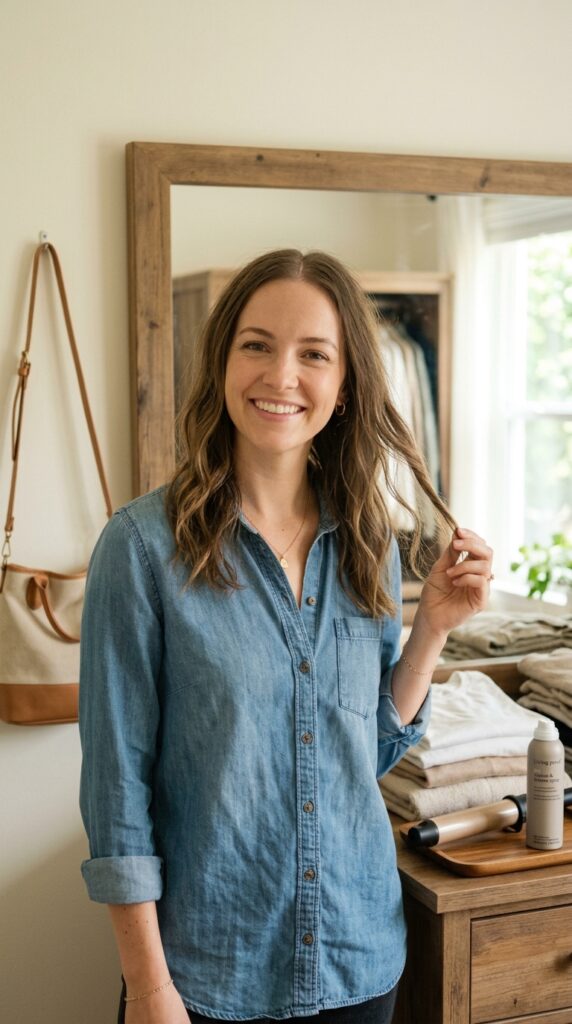
11. Lob With Face Framing Layers
Face framing layers bring movement to the front of a lob without thinning the entire haircut. Soft pieces beginning near the chin help shape the face and prevent the cut from falling in one flat block. The rest of the hair stays full through the ends.
Ask for two or three long front sections that blend into the main length. Avoid very short pieces near the temples if your hair is especially fine. Style the front away from the face with a round brush, then leave the remaining lengths smooth. In my experience, carefully placed front layers can make a bigger difference than layers throughout the whole head. A haircut usually costs $50 to $125, while a light blow dry cream may cost $10 to $25.
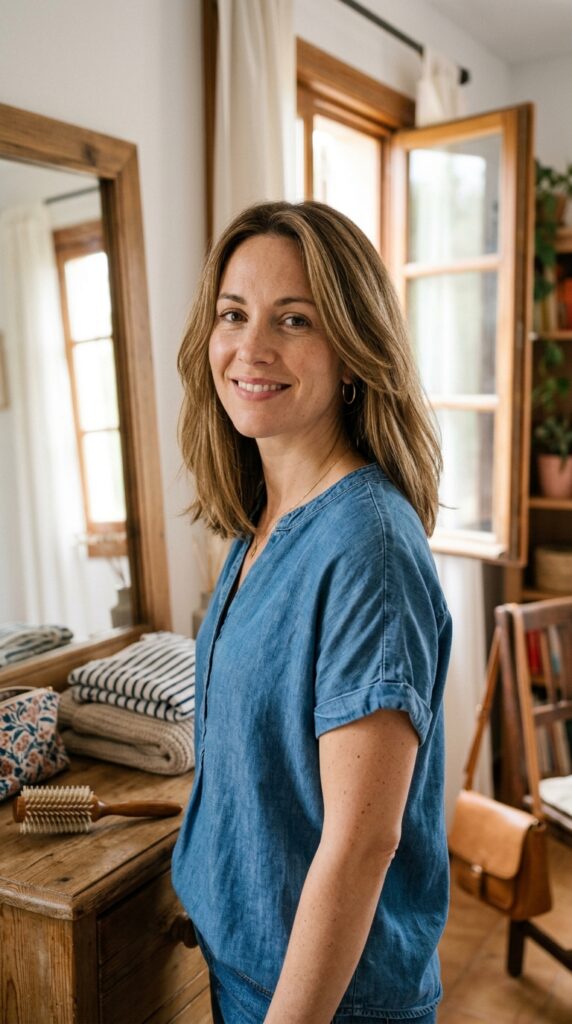
12. Soft Shag Lob for Thin Hair
A soft shag lob adds movement through light crown layers and wispy ends while keeping the overall shape wearable. It has a relaxed, slightly undone feel that looks especially good with natural waves. The layered texture prevents the hair from sitting flat against the head.
Ask for gentle shag inspired shaping rather than short, disconnected layers. Keep the bottom edge strong and the crown layers long enough to overlap. Use lightweight mousse and scrunch the hair while drying with a diffuser. What I personally love about this cut is that it works with a little natural texture rather than fighting it. Avoid heavy razor work on very fine ends. A cut may cost $60 to $140, while mousse and a diffuser attachment range from $20 to $50.

13. Lob With a Flipped Out Finish
A flipped out lob creates cheerful movement along the shoulders. The ends turn away from the neck, adding width and making thin hair appear more active. This finish has a light vintage mood but still looks current when the rest of the cut remains smooth.
Ask for a collarbone length lob with a solid perimeter. Use a round brush or flat iron to turn only the bottom inch outward. Keep the crown smooth and add a small amount of root spray if needed. In my experience, the biggest mistake is flipping the ends too sharply, which can make the style feel stiff. A salon cut generally costs $45 to $110, while a brush and root spray may cost $20 to $45.
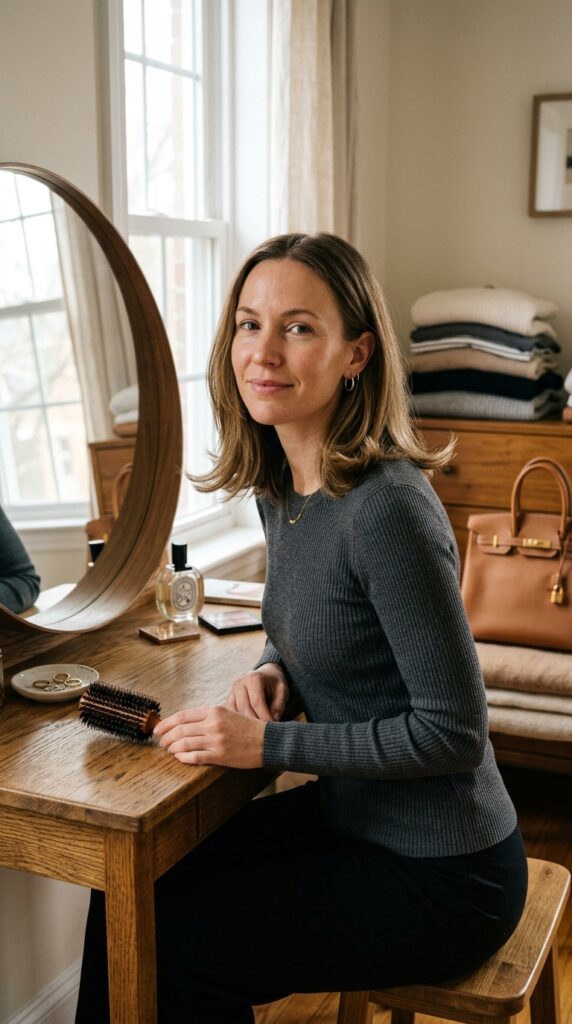
14. Asymmetrical Lob With Subtle Contrast
An asymmetrical lob is slightly longer on one side, creating movement through the outline rather than heavy layering. The uneven length draws the eye downward and gives thin hair a more interesting shape while keeping the ends dense.
Ask for a difference of about one to two inches between the sides. A subtle angle is easier to style and grow than an extreme cut. Wear the part on the shorter side to highlight the longer sweep. A lot of people choose too much contrast, which can limit everyday styling. A professional cut may cost $60 to $140, while a lightweight smoothing spray ranges from $10 to $25.
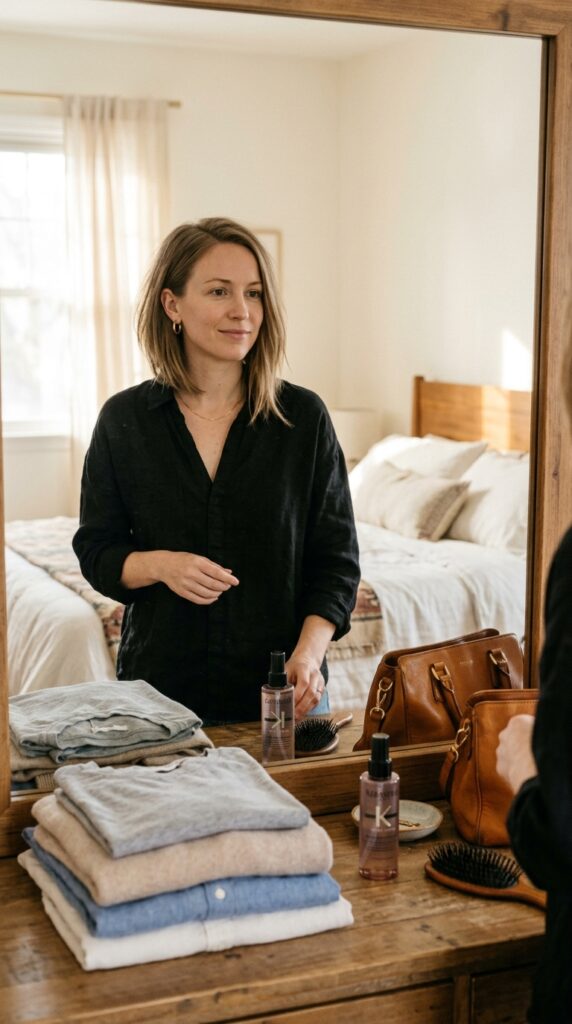
15. Lob Haircuts for Thin Hair With Wispy Bangs
Wispy bangs add soft detail around the forehead without using too much hair from the crown. They make a lob feel lighter and more relaxed, especially when the rest of the cut has a simple, full perimeter.
Ask for a narrow fringe section with soft ends that sit near the eyebrows. Keep the bangs slightly longer at the sides so they blend into the lob. Dry them first using a small brush before styling the rest of the hair. A lot of people take too wide a section for fine bangs, which removes fullness from the front. A cut with fringe may cost $50 to $125, while a small styling brush generally costs $8 to $18.

16. Textured Collarbone Lob With Root Lift
A textured collarbone lob gives fine hair movement while keeping enough length for ponytails and loose updos. Gentle bends and lifted roots create a fuller silhouette, while the collarbone length prevents the ends from feeling heavy.
Ask for subtle internal layers that support the crown without showing as short pieces. Apply root foam to damp hair and dry the roots upward with a vent brush. Finish by bending a few random sections through the middle lengths. I always recommend this when someone wants volume without losing versatility. Avoid putting conditioner directly on the scalp before styling. A cut usually costs $50 to $120, and root foam may cost $12 to $28.

17. Smooth Lob With Hidden Internal Layers
Hidden internal layers remove small amounts of weight beneath the surface while keeping the outside of the haircut smooth and full. This technique allows thin hair to move more freely without creating visible short sections or uneven ends.
Ask your stylist for light internal shaping through the middle lengths, while preserving the blunt perimeter. Style with a paddle brush and finish by lifting the roots gently with your fingers. What I personally love about this cut is that it looks simple but moves much better than a heavy one length shape. Avoid excessive thinning shears, which can leave fine hair weak. A professional service typically costs $55 to $130, while smoothing lotion ranges from $10 to $25.
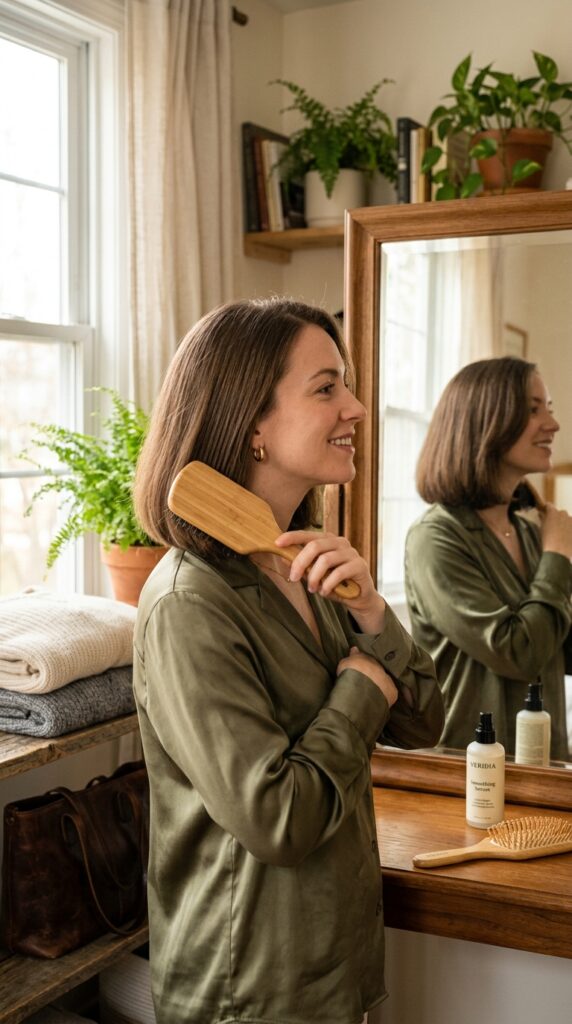
18. Shoulder Grazing Lob With Soft Waves
A shoulder grazing lob sits just above the shoulders, allowing the ends to move freely instead of resting heavily on clothing. Soft waves create fullness around the lower half of the cut, giving thin hair a gentle, romantic shape.
Ask for a length that clears the shoulders when dry. This prevents the ends from flipping unpredictably against collars and sweaters. Create loose waves with a heatless ribbon or medium curling iron, then brush them lightly with your fingers. In my experience, stopping the cut at the right point makes a major difference. A salon cut may cost $45 to $115, while heatless tools range from $10 to $25.
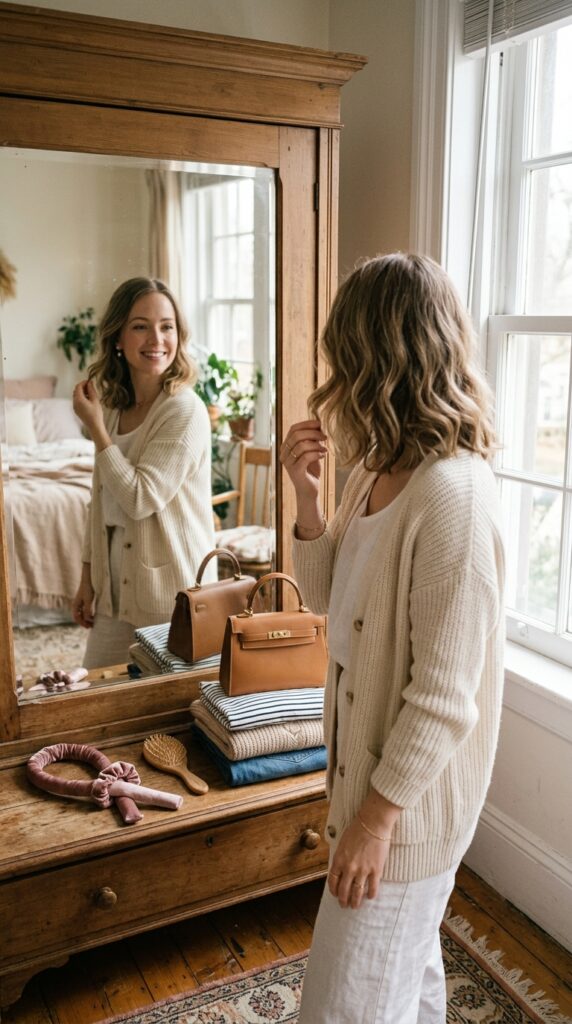
19. Highlighted Lob for Added Dimension
Soft highlights can make a lob appear more dimensional by separating the layers and reflecting light. Fine ribbons around the crown and face give thin hair visual depth without requiring heavy texture or dramatic color contrast.
Choose highlights only one or two shades lighter than your base. Ask your colorist to concentrate them around the part, cheekbones, and surface layers. Avoid too many pale pieces, which may make fine hair look more transparent. A lot of people skip discussing placement, but it makes all the difference. Cut and color services may cost between $100 and $250, while color safe care products usually range from $20 to $50.
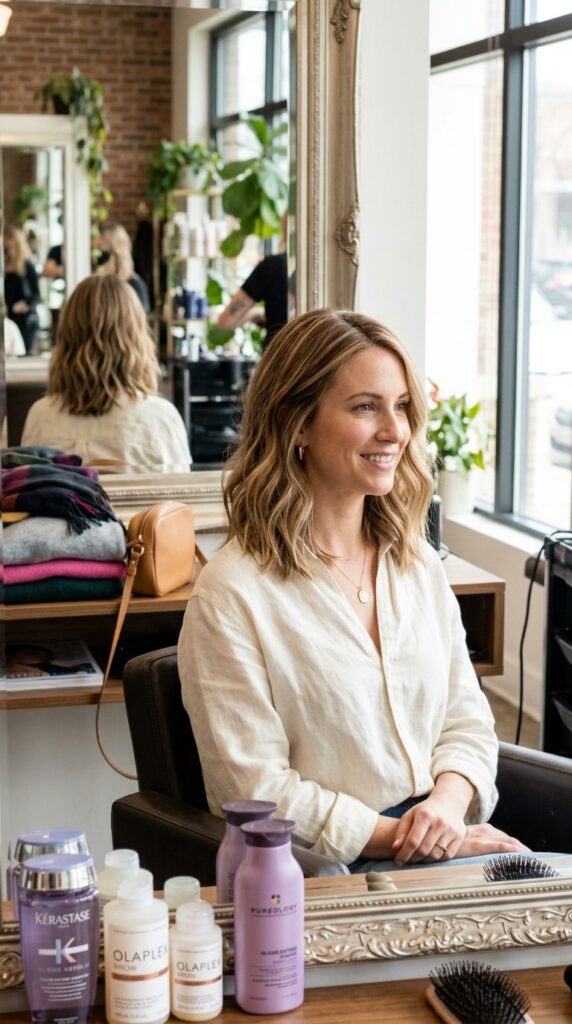
20. Low Maintenance Air Dried Lob
An air dried lob works with your natural texture instead of requiring daily heat styling. Soft movement through the ends gives the haircut a relaxed shape, while a strong perimeter keeps thin hair from appearing wispy.
Tell your stylist how your hair behaves when it dries naturally. Ask for a length and shape that follow your natural bend or wave pattern. Apply a lightweight leave in spray, scrunch gently, and avoid touching the hair until it dries. In my experience, the biggest mistake is choosing a cut that only looks good after a salon blowout. A haircut usually costs $45 to $110, while leave in spray ranges from $10 to $25.
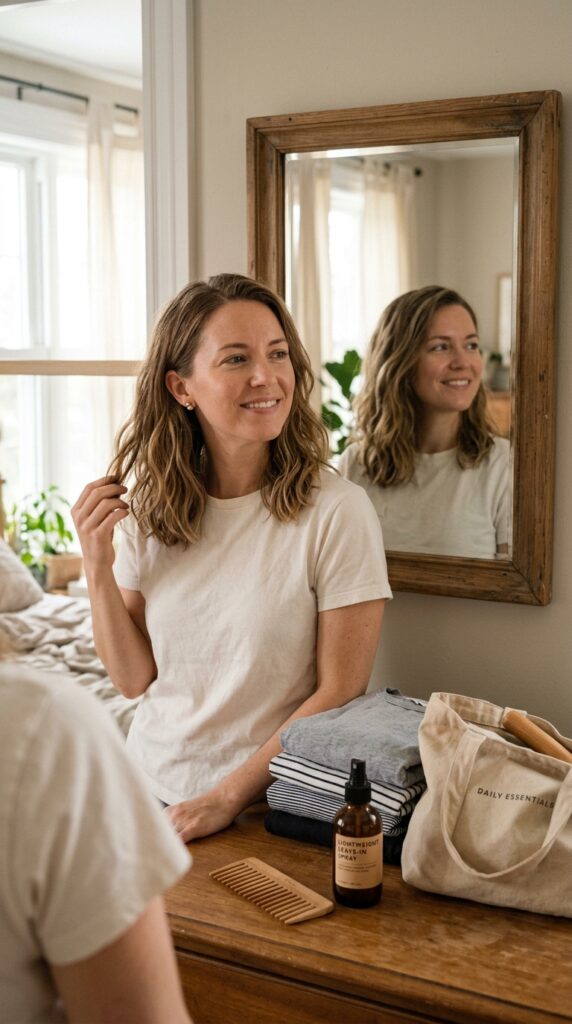
21. Classic Middle Part Lob Haircut for Thin Hair
A classic middle part lob creates a balanced frame that makes the overall haircut feel calm and polished. The even sections fall smoothly on both sides, while a solid bottom edge helps the ends appear thicker. It is simple enough for daily wear but still works with waves, clips, and low ponytails.
Ask for a collarbone length cut with minimal layering and a clean center part. Blow dry the front pieces away from the face to prevent them from falling flat. Add a small amount of root powder only where needed. What I personally love about this cut is how easily it works with different outfits and occasions. Avoid pressing the roots completely flat with a straightener. A salon cut may cost $45 to $115, while root powder usually costs $10 to $24.
Finding a Lob That Works With Thin Hair
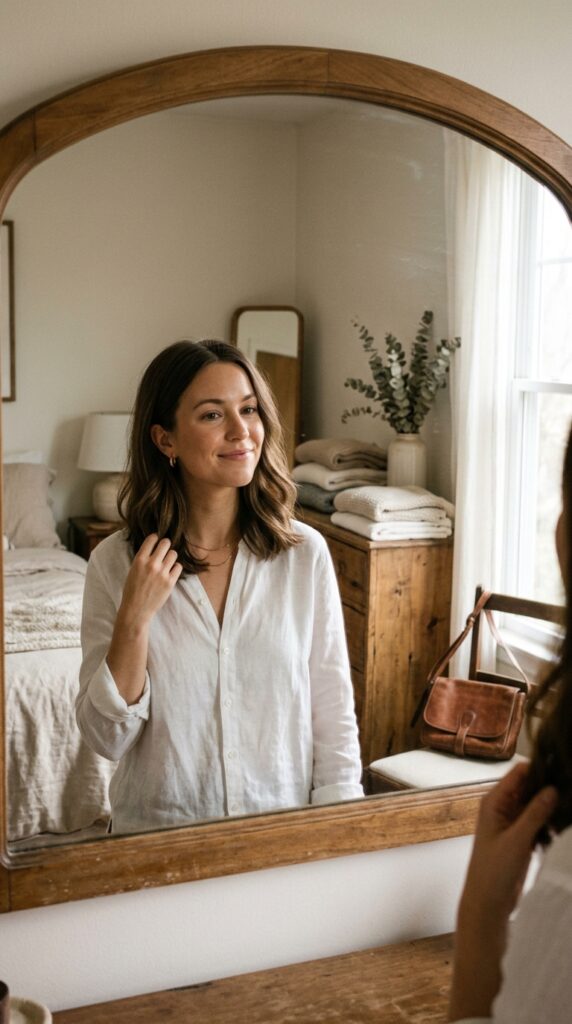
The right lob can give thin hair more shape without demanding a complicated styling routine. A blunt edge creates fuller looking ends, while long layers, gentle waves, and careful root lift add movement. The key is choosing details that support your natural density rather than removing too much hair.
These 21 lob haircuts for thin hair that add movement offer options for straight, wavy, polished, and relaxed styles. Start by saving one or two cuts that match the way you normally wear your hair. Then discuss the length, part, fringe, and layering with a stylist who can see your growth pattern in person.
You also do not need a large collection of products. A light mousse, root spray, and reliable brush may be enough. Good cutting and careful placement usually matter more than heavy styling.
Which lob haircut would you try first? I’d love to hear what you’re planning.
Frequently Asked Questions
Does a lob make thin hair look thicker?
A lob can make thin hair appear fuller when the ends are kept strong and the layering is controlled. Collarbone and shoulder grazing lengths remove excess weight while preserving enough hair for movement. Blunt and lightly layered shapes are often the most flattering.
What lob length works best for thin hair?
Lengths between the shoulders and collarbone usually work well. This range is long enough for versatile styling but short enough to prevent fine strands from being weighed down. Your stylist can adjust the final length based on your neck, shoulders, and natural texture.
Should thin hair have layers in a lob?
Thin hair can benefit from long, subtle layers that create movement without weakening the ends. Short or excessive layers may make the hair appear sparse. Ask for internal shaping, crown support, or face framing pieces rather than heavy layering throughout.
Are bangs suitable for a thin hair lob?
Yes, but the amount of hair used for the fringe matters. Wispy bangs and curtain bangs can add softness without taking too much density from the crown. Avoid an overly wide or heavy fringe if the front of your hair is especially fine.
How do I add volume to a lob without damaging my hair?
Use lightweight mousse or root spray and direct the roots upward while blow drying. Heatless waves can add movement through the lengths without frequent hot tool use. Avoid heavy oils and thick creams near the scalp because they may flatten fine hair.