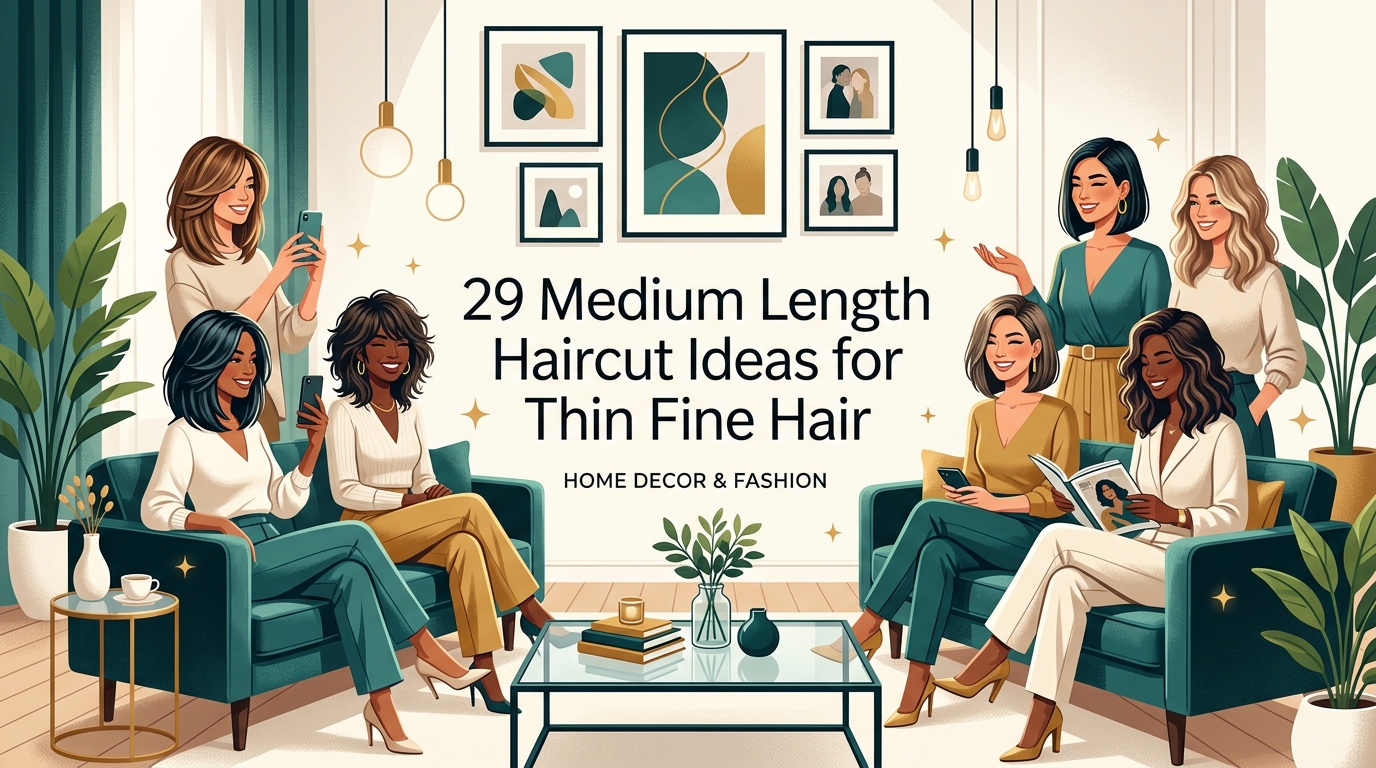
29 Medium Length Haircut Ideas for Thin Fine Hair
Thin, fine hair can be frustrating when it falls flat at the roots or looks sparse through the ends. You may want movement and shape, but worry that layers will remove too much density. Keeping your hair long can also add weight, which often makes fine strands appear flatter than they are.
These 29 medium length haircut ideas for thin fine hair offer a practical balance between fullness and flexibility. Medium hair usually falls between the shoulders and upper chest, giving you enough length for ponytails, soft waves, clips, and simple updos. The right cut can also create lift around the crown, strengthen the ends, and give your hair a more active shape.
Inside this guide, you will find blunt cuts, soft layers, bangs, angled shapes, and low maintenance options. Each idea includes salon guidance, styling advice, a useful mistake to avoid, and a realistic cost estimate. Save the styles that suit your daily routine, then use them as a starting point for your next salon appointment.
1. Blunt Medium Length Haircut for Thin Fine Hair
A blunt medium cut gives fine hair a strong, clean outline. The ends sit together rather than breaking into wispy pieces, which makes the lower section appear denser. This style looks polished with straight hair, soft waves, cotton shirts, and simple gold jewelry.
Ask your stylist to keep the perimeter solid and remove only damaged ends. A length that sits one or two inches below the shoulders usually gives you movement without excess weight. Use a paddle brush and lightweight heat protectant for a smooth finish. In my experience, the biggest mistake here is adding too many short layers after requesting a blunt shape. A professional cut generally costs between $45 and $110, while basic styling products may cost $15 to $35.
2. Soft Long Layers Below the Shoulders
Long layers add movement while preserving fullness through the bottom. The hair shifts gently over the shoulders, creating a soft shape that feels light without looking thin. This cut works well with natural bends, loose curls, and relaxed outfit inspiration.
Ask for layers that begin below the chin and blend gradually into the main length. Keep the shortest pieces long enough to tuck behind the ears. Blow dry with a large round brush, lifting the roots before smoothing the ends. A lot of people request layers that start too high, which can make fine hair look uneven. Salon cuts usually cost $50 to $120, while a round brush and light mousse may cost $20 to $45.
3. Collarbone Cut With a Deep Side Part
A collarbone cut with a deep side part moves more hair across one side, creating instant lift around the crown. The diagonal sweep adds movement near the face and makes the front appear fuller without extra layering.
Ask your stylist to keep the front slightly longer so it crosses the forehead smoothly. Dry your roots in the opposite direction of the part, then flip the hair back once it cools. What I personally love about this trick is how quickly it changes the shape. Avoid drawing a sharp, straight part because a softer line can hide scalp visibility. A salon cut usually ranges from $45 to $115, while root spray costs around $10 to $25.
4. Shoulder Length Cut With Face Framing Pieces
Face framing pieces soften the front of a shoulder length cut without thinning the entire hairstyle. The shorter sections move around the cheekbones and jaw, creating shape while the rest of the perimeter stays full.
Ask for two or three front sections beginning near the chin. Keep the back mostly one length to preserve density. Style the face framing pieces away from the cheeks using a small round brush. A common mistake is cutting them near the eyes when the hair is very fine, since short pieces may separate easily. A professional cut may cost $50 to $125, and a small styling brush usually costs $8 to $18.
5. Wavy Medium Cut With Full Ends
Loose waves create shadows and movement that help fine hair appear more dimensional. Keeping the ends full prevents the style from looking wispy, while the waves add softness through the middle lengths.
Request a solid perimeter with light internal shaping. Create loose bends from ear level downward using a medium curling tool or heatless rollers. Alternate the direction of each section and leave the ends slightly straighter. In my experience, curling every piece the same way makes the hair look smaller. A cut may cost $50 to $120, while heatless rollers range from $10 to $25 and curling tools from $30 to $90.
6. Rounded Shoulder Cut
A rounded shoulder cut has a softly curved outline that makes the hair look smooth and substantial. The ends bend gently inward, framing the neck and shoulders without appearing stiff. This style suits straight or lightly wavy fine hair.
Ask for light graduation through the back while keeping the outer edge strong. Use a large round brush and turn the bottom inch inward as you dry. Avoid rolling the hair too tightly around the brush, which can make the cut look shorter and overly set. A salon appointment generally costs $50 to $120. A quality round brush and lightweight finishing spray may add $20 to $40.
7. Medium Cut With Curtain Bangs
Curtain bangs open around the center and blend into the cheekbones, giving medium hair soft movement near the face. The longer outer pieces connect naturally to the main length, so the cut feels flowing rather than separated.
Ask for bangs that sit near the brows in the middle and lengthen toward the cheeks. Dry them away from the face using a small round brush. A lot of people cut the center too short, which makes the fringe harder to blend. Leave a little extra length at the first appointment. Cuts with bangs generally cost $55 to $130, while a small brush and light spray may cost $15 to $35.
8. Medium Length Haircut Ideas for Thin Fine Hair With Wispy Bangs
Wispy bangs add a light frame around the forehead without using too much hair from the crown. The soft fringe works well with a simple medium cut and gives the style a relaxed, wearable finish.
Ask your stylist to take a narrow section for the bangs and keep the side pieces slightly longer. Dry the fringe first so it does not separate as the rest of the hair dries. In my experience, the biggest mistake is taking a very wide bang section, which removes density from the front. A cut with fringe usually costs $50 to $125. Lightweight dry shampoo and a small brush may cost another $18 to $35.
9. Soft Shag With Long Layers
A soft shag creates movement through gentle crown layers and textured ends. Unlike a heavily layered shag, this version keeps enough length through the bottom to support fine strands. The result feels relaxed and slightly undone.
Ask for long shag inspired layers rather than short pieces around the crown. Keep the fringe optional and the perimeter substantial. Apply lightweight mousse and scrunch the hair as it dries. What I personally love about this style is that it works with natural texture instead of requiring a smooth blowout. Avoid aggressive razor cutting on thin ends. A shag cut may cost $60 to $140, with mousse and a diffuser adding $20 to $50.
10. Sleek One Length Shoulder Cut
A one length shoulder cut creates a clean, glossy shape that makes fine hair appear more substantial. The lack of visible layers keeps the lower edge strong, while the medium length still offers enough movement for ponytails and clips.
Ask for a precise perimeter with minimal internal shaping. Blow dry downward using a paddle brush, then apply one small drop of serum to the ends. A common mistake is applying oil near the roots, where it can flatten fine strands quickly. Salon cuts generally cost $45 to $110, while heat protectant and serum may cost $20 to $45 together.
11. Medium Cut With Flipped Ends
Flipped ends create lively movement around the shoulders. The outward bend adds width to the lower section, which can make thin hair appear fuller. It has a light vintage mood but still works with modern fashion styling ideas.
Ask for a strong shoulder length perimeter. Use a round brush or flat iron to turn only the bottom inch outward. Keep the crown smooth and slightly lifted. In my experience, flipping too much of the length makes the style look stiff. Focus only on the ends. A salon cut may cost $45 to $115, while styling tools and root spray can range from $25 to $70.
12. Angled Medium Cut
An angled medium cut sits slightly shorter in the back and gradually lengthens toward the front. This shape gives thin hair a strong outline and creates natural movement around the jaw and collarbone.
Ask for a gentle angle rather than a dramatic difference. Keep the front no more than two inches longer than the back for easier styling. Blow dry with a paddle brush and add a light bend to the front pieces. A lot of people take the back too short, which can make the grow out stage difficult. A professional cut generally costs $55 to $130, while smoothing lotion may cost $12 to $28.
13. Textured Collarbone Cut
A textured collarbone cut feels light and active without looking heavily layered. Subtle movement through the ends prevents the hair from sitting in one solid block, while the collarbone length keeps it easy to tie back.
Ask for point cutting only through the bottom inch and very light internal layers. Apply a small amount of texture spray beneath the hair, then loosen it with your fingers. Avoid spraying heavily over the surface, since fine hair can quickly look coated. A cut generally costs $50 to $120, while texture spray ranges from $12 to $28.
14. Middle Part Cut With Blunt Ends
A middle part creates symmetry while blunt ends give thin hair a stronger base. The even sections frame the face cleanly, and the solid bottom edge makes the hairstyle feel polished and calm.
Ask for a shoulder or collarbone length with very little layering. Blow dry the front pieces away from the face to keep the roots from falling flat. What I personally love about this style is how easily it works with clips, waves, and simple updos. Avoid pressing the roots flat with a straightener. A salon cut may cost $45 to $115, while root powder usually costs $10 to $24.
15. Medium Cut With Soft Curls
Soft curls add roundness and movement through the lower half of the hair. They help fine strands look more dimensional while keeping the roots comfortable and light. This style feels feminine and suits both casual outfits and dressier occasions.
Ask for long layers that support curls without breaking up the perimeter. Create loose curls with a medium barrel tool, then separate them with your fingers. A common mistake is brushing the curls too much, which can make fine hair lose its shape. A haircut may cost $50 to $120. A curling tool and heat protectant may cost between $40 and $100 together.

16. Shoulder Cut With Hidden Internal Layers
Hidden internal layers remove small amounts of weight underneath the surface while keeping the outside smooth and full. The hair moves more freely without showing obvious short pieces.
Ask for subtle internal shaping through the middle lengths and a blunt exterior line. Style with a paddle brush and gently lift the roots with your fingertips. In my experience, this technique works best when the stylist avoids excessive thinning shears. Too much internal removal can weaken the ends. A cut may cost $55 to $130, while smoothing lotion ranges from $10 to $25.
17. Medium Length Haircut Ideas for Thin Fine Hair With Root Lift
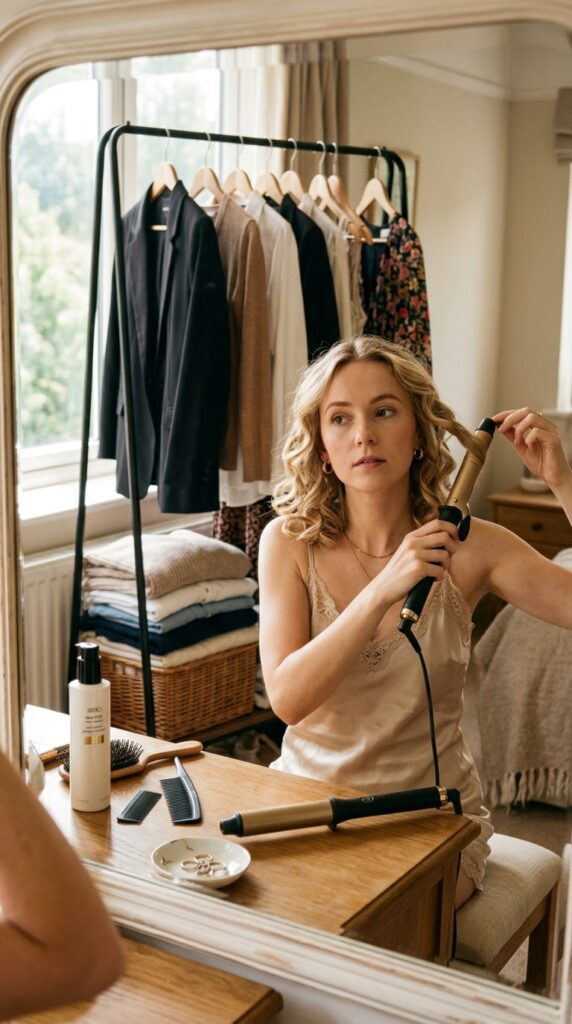
A medium cut with concentrated root lift creates a fuller silhouette without adding short layers everywhere. The crown appears higher, while the lengths remain smooth and substantial.
Ask for light supporting layers beneath the crown. Apply root foam to damp hair and dry upward with a vent brush. A lot of people put conditioner directly on the scalp before styling, which can weigh down fine roots. Keep rich products below the ears. A salon cut usually costs $50 to $120. Root foam and a vent brush may cost $20 to $45 together.
18. Shoulder Length Cut With Swoopy Bangs
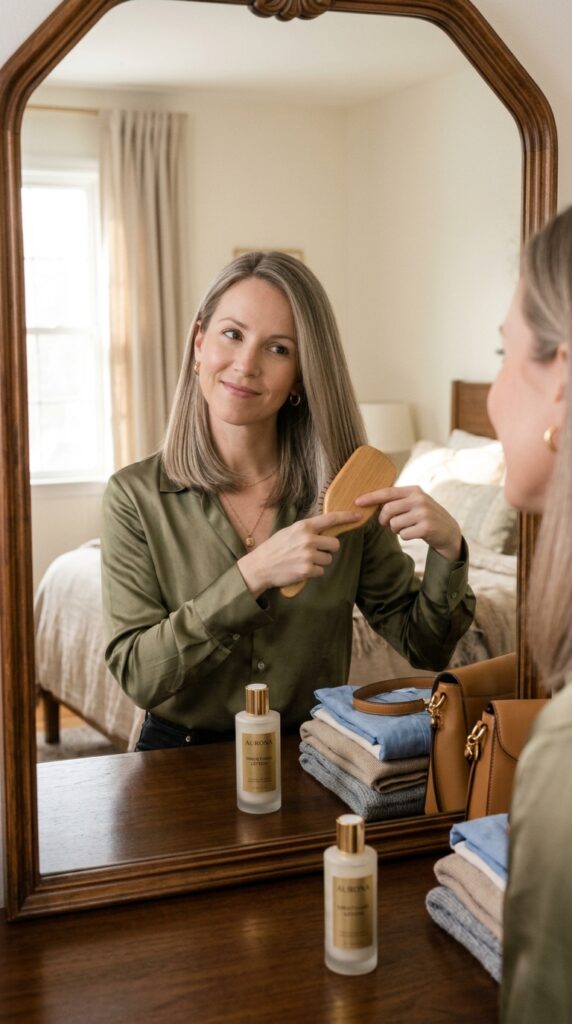
Swoopy bangs create a soft diagonal line across the forehead, adding shape and movement to a medium haircut. The longer fringe can be tucked behind the ear or swept across the face, giving you several styling options.
Ask for bangs that begin near the cheekbone on one side and blend into the main length. Use a round brush to direct them across the forehead. Avoid cutting the fringe too short, since fine hair needs enough length to stay together. Cuts with bangs generally cost $55 to $130, while a small brush and flexible spray may cost $15 to $35.
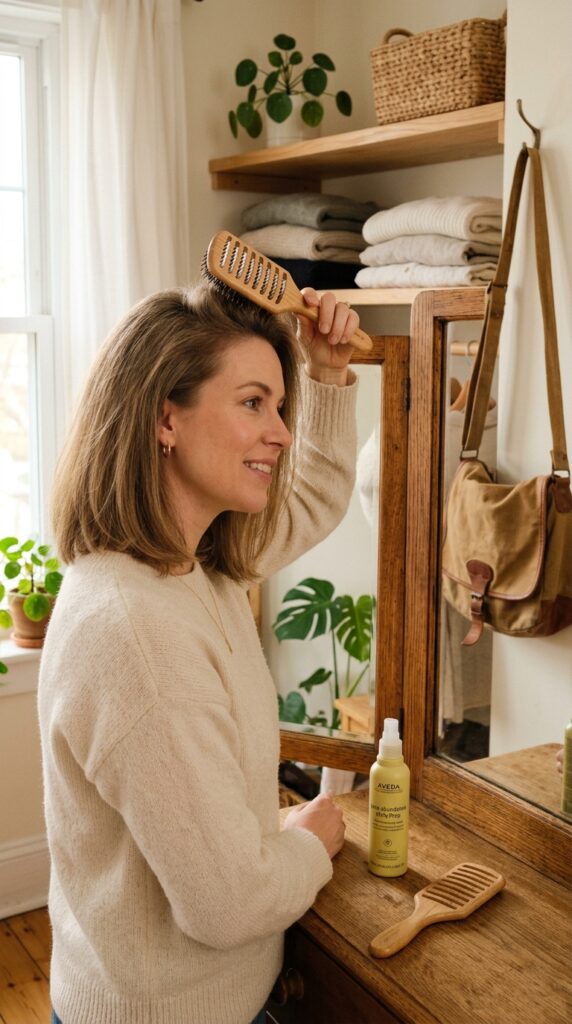
19. Air Dried Medium Cut
An air dried medium cut works with your natural bend or wave pattern. Soft movement through the ends gives fine hair a relaxed shape without daily heat, while a strong perimeter keeps the bottom from looking sparse.
Tell your stylist how your hair behaves when it dries naturally. Ask for gentle shaping that follows those patterns. Apply a lightweight leave in spray and avoid touching the hair until it is dry. In my experience, the biggest mistake is choosing a cut that only looks good after a salon blowout. A cut usually costs $45 to $110, while leave in products range from $10 to $25.
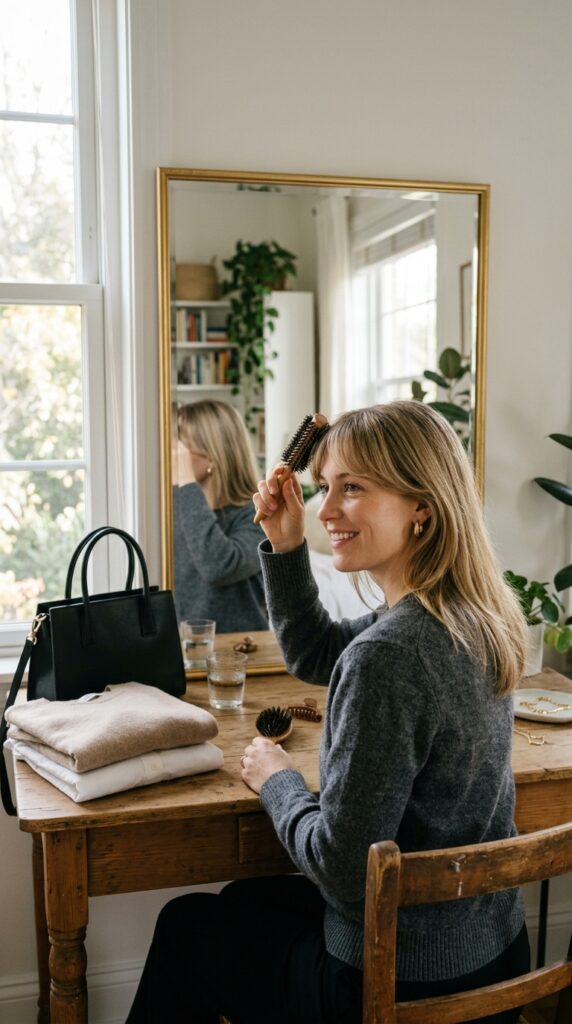
20. Medium Cut With Balayage Ribbons
Soft balayage ribbons create depth by reflecting light through the surface of the hair. Fine highlights around the face and crown make the cut appear more dimensional without relying on heavy layers.
Choose tones one or two shades lighter than your base. Ask your colorist to keep the ribbons narrow and blended. A lot of people add too many pale pieces, which can make thin hair look more transparent. Cut and color services generally cost $120 to $280, while color care products may cost $20 to $50.
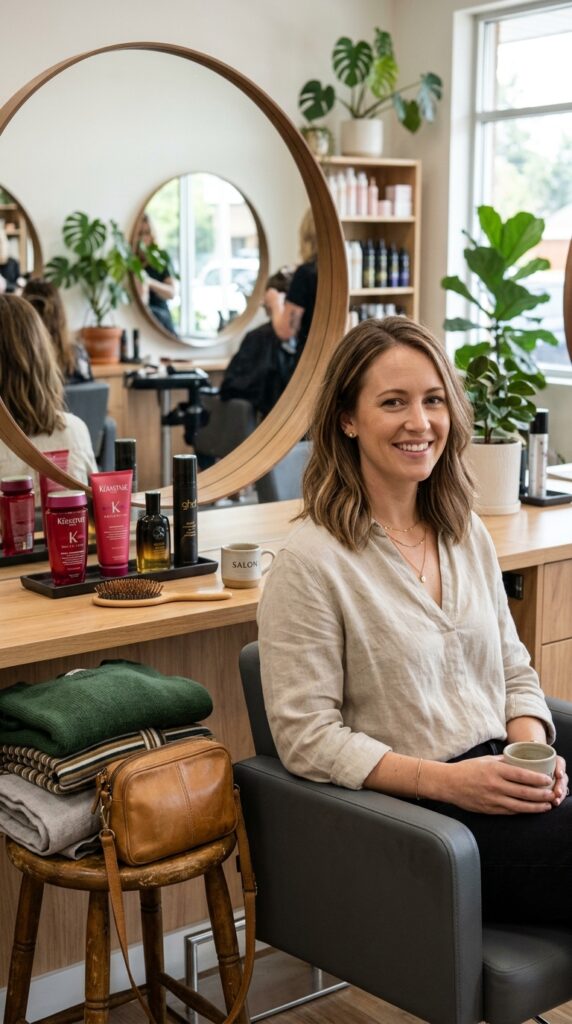
21. Soft U Shaped Medium Cut
A U shaped cut is slightly longer in the center of the back and shorter near the sides. This rounded outline gives medium hair movement while keeping a sense of length and fullness.
Ask for a gentle U shape rather than a deep curve. Keep the front sections close to the overall length so the sides do not become thin. What I personally love about this cut is how softly it moves when worn straight or wavy. Avoid adding short layers through the back. A professional cut may cost $50 to $125.
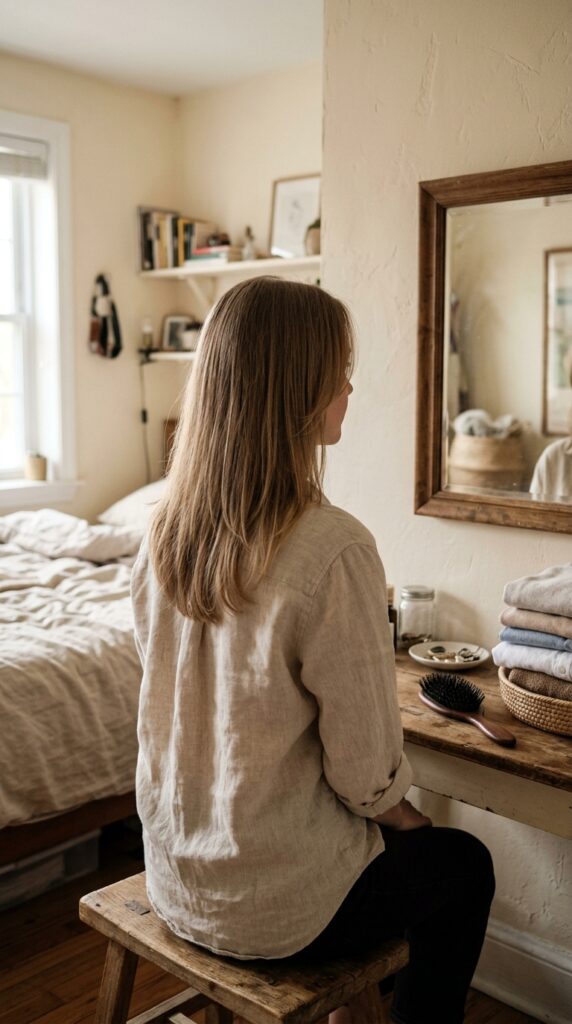
22. Medium Cut With a Soft Off Center Part
An off center part gives the hair a natural, relaxed shape. It creates slightly more volume on one side without the dramatic sweep of a deep side part. The result feels balanced and easy to maintain.
Place the part about half an inch away from the center. Blow dry the roots upward and let the front pieces fall naturally. A common mistake is forcing the hair against a strong growth pattern, which can make it separate. Work with the direction your hair prefers. A salon cut generally costs $45 to $115, while root spray ranges from $10 to $25.
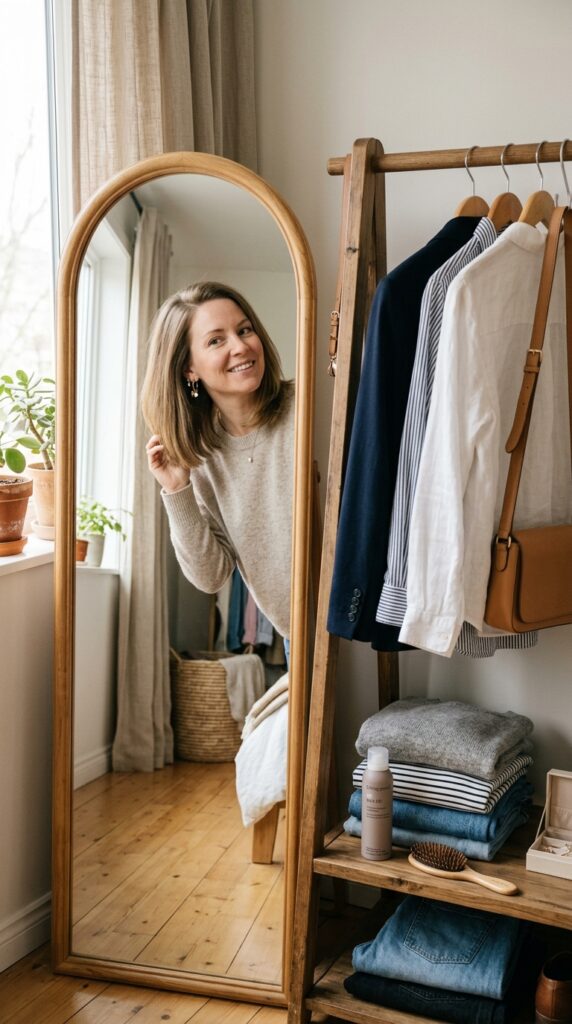
23. Layered Cut With a Full Bottom Edge
This cut combines long movement through the middle with a dense lower outline. The layers keep the hairstyle from feeling heavy, while the full bottom edge supports thin strands.
Ask for long layers that stop well above the perimeter. Your stylist should keep the final two inches mostly solid. Blow dry with a round brush and avoid thinning the ends. I always recommend this when someone wants layers but worries about losing fullness. A cut may cost $55 to $130, while a brush and mousse may cost $20 to $45.
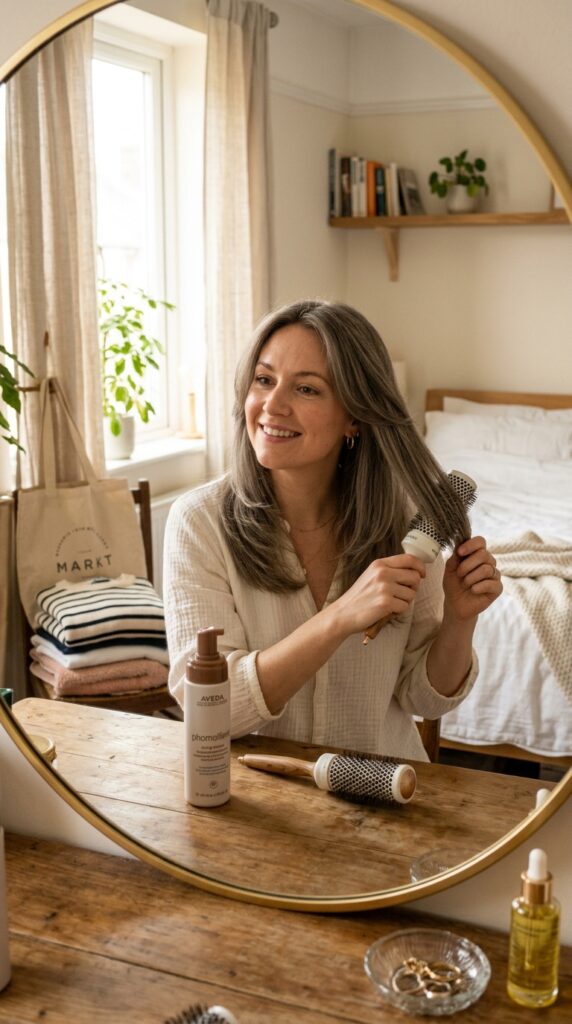
24. Medium Butterfly Inspired Layers
Butterfly inspired layers create a soft winged shape around the face while preserving length through the back. The front pieces move away from the cheeks and add a light, flowing effect.
Ask for long front layers beginning near the chin and minimal layering in the back. Use a round brush to direct the front sections outward. In my experience, the biggest mistake is copying a heavily layered version designed for thick hair. Fine hair needs fewer sections. A salon cut may cost $60 to $140, while a large round brush and styling spray range from $20 to $45.
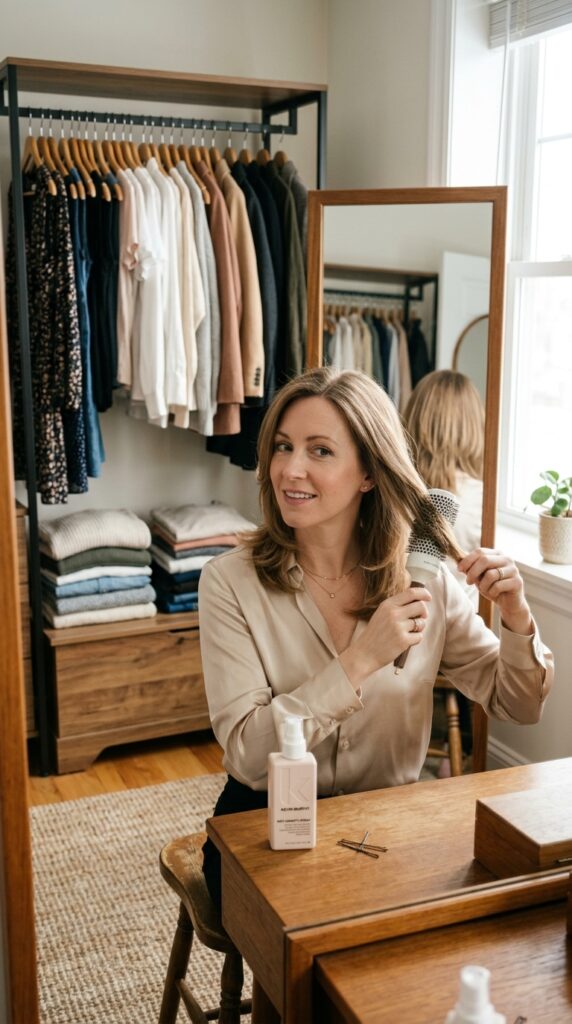
25. Low Maintenance Shoulder Cut
A low maintenance shoulder cut follows the natural fall of the hair and needs very little daily work. The strong outline keeps the ends neat, while subtle shaping prevents the cut from feeling heavy.
Tell your stylist how much time you normally spend styling. Ask for a shape that can air dry or be smoothed quickly with a brush. A lot of people choose a photo that depends on daily curling, then struggle to recreate it. A practical cut should suit your routine. Salon visits usually cost $45 to $110, while basic leave in spray costs $10 to $25.
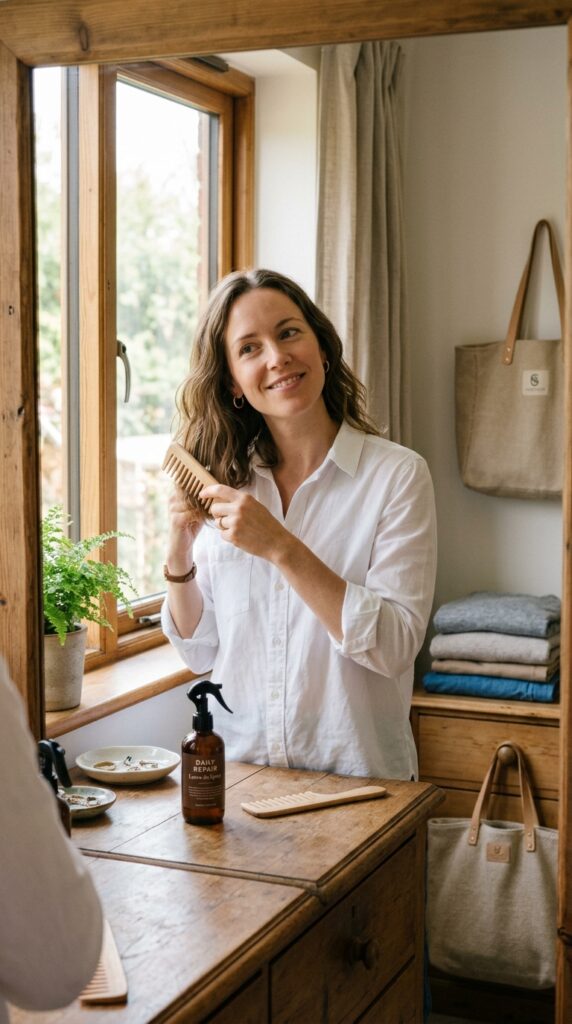
26. Medium Cut With Soft Side Bangs
Soft side bangs blend into the front layers and bring movement around the cheekbones. They add shape without requiring a full fringe, which makes them easier to grow and maintain.
Ask for bangs that begin below the brows and angle toward the cheek. Dry them to the opposite side first, then sweep them into place. Avoid taking too much hair from the crown, especially if the front is fine. A cut with bangs may cost $50 to $125, while a light spray and brush may cost $15 to $35.
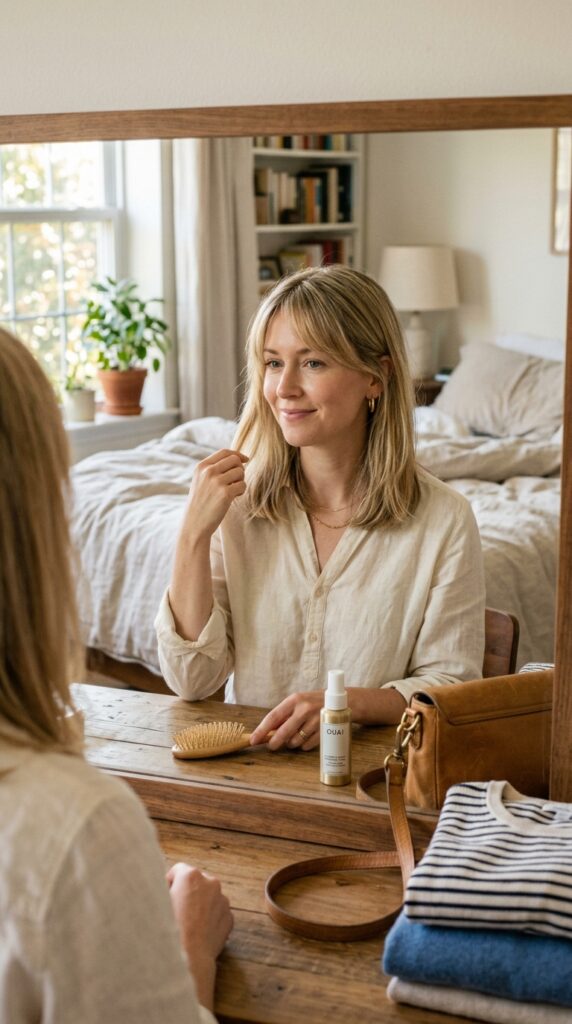
27. Textured Ends With a Smooth Crown
This style keeps the crown smooth and polished while adding movement only through the bottom few inches. The contrast helps fine hair look controlled at the top and active around the shoulders.
Ask for light point cutting through the ends and minimal crown layering. Use a paddle brush at the roots, then add loose bends to the lower lengths. What I personally love about this cut is how neat it looks without feeling stiff. Avoid thinning shears near the perimeter. A haircut usually costs $50 to $120, while styling products may cost $15 to $35.

28. Soft Wave Cut With a Tucked Side
A soft wave cut becomes more polished when one side is tucked behind the ear. The visible earring and uneven framing create movement without changing the actual haircut.
Ask for a medium blunt base with subtle front shaping. Create loose waves, then tuck the lighter side behind the ear and secure it with a hidden pin if needed. A common mistake is adding too much hairspray around the tuck, which can make fine strands stiff. A salon cut may cost $45 to $115, while pins and light spray cost around $10 to $25.
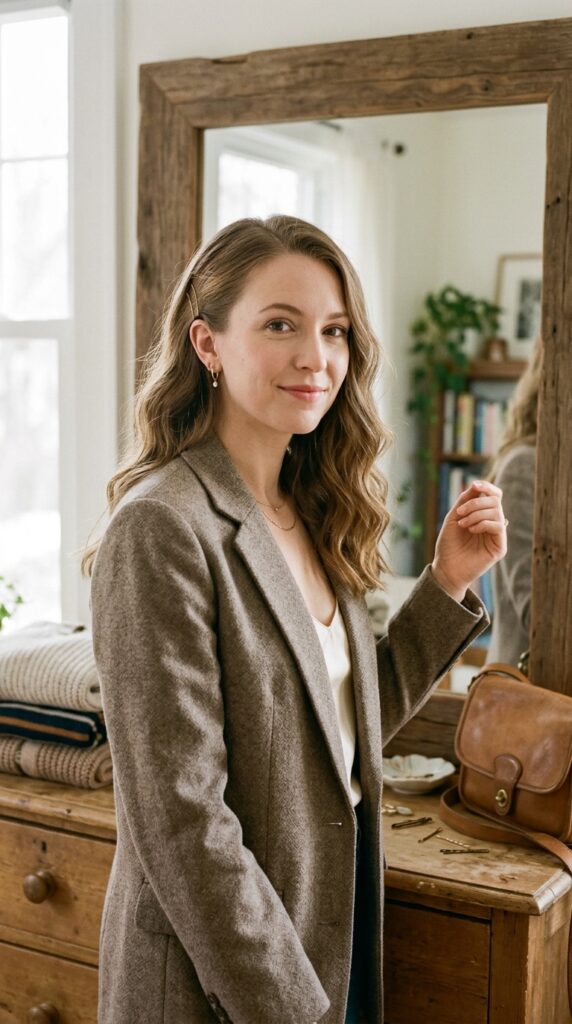
29. Classic Medium Length Haircut Ideas for Thin Fine Hair
A classic medium cut sits just below the shoulders with a clean perimeter and very light face framing. It gives thin hair enough weight to look full while remaining easy to wave, straighten, clip, or tie back.
Ask for a mostly one length shape with only subtle movement near the front. Use lightweight mousse at the roots and a round brush through the ends. In my experience, the biggest mistake is changing too many details at once. A simple shape often gives fine hair the strongest result. A salon cut generally costs $45 to $120, while mousse and a brush may cost $20 to $45.
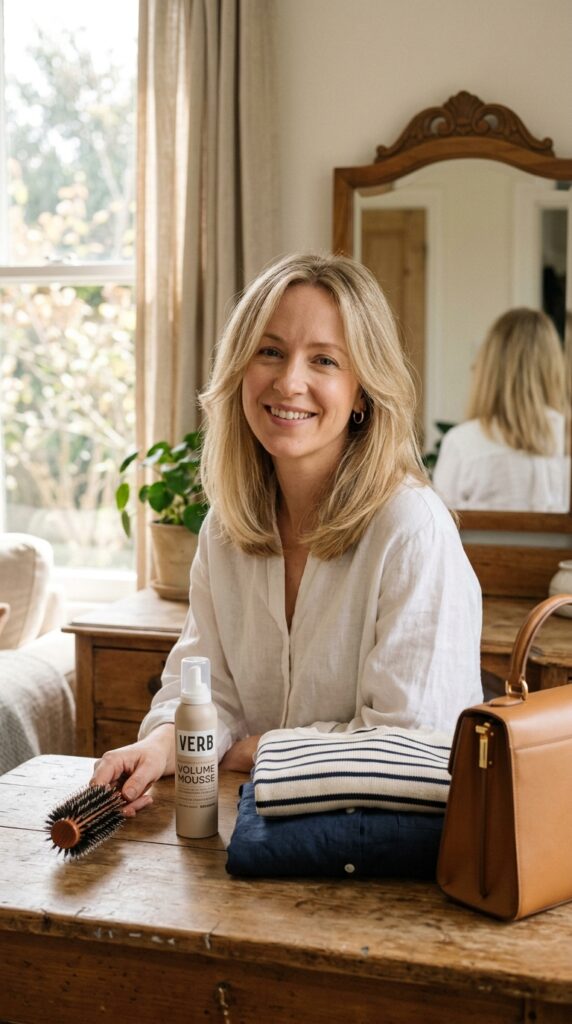
Choosing a Medium Cut That Supports Fine Hair
The right medium haircut can give thin hair more movement without removing the fullness you already have. A blunt edge strengthens the ends, while carefully placed layers, bangs, and face framing pieces add softness where you need it. The goal is not to force your hair into a style that requires an hour of work each morning.
These 29 medium length haircut ideas for thin fine hair give you options for straight, wavy, polished, and relaxed looks. Start by saving one or two ideas that match your natural texture and daily routine. Bring those photos to your stylist, then discuss your density, growth pattern, and preferred level of maintenance.
You also do not need to spend heavily on styling products. A light mousse, root spray, and reliable brush are often enough. A strong cut will usually do more for fine hair than layers of heavy product.
Which haircut would you try first? I’d love to hear what you’re planning.
Frequently Asked Questions
What medium haircut makes thin fine hair look thicker?
A blunt or lightly layered shoulder cut often creates the fullest appearance. A strong perimeter keeps the ends dense, while subtle internal layers add movement. Avoid excessive thinning or many short layers.
Should thin fine hair be layered?
Fine hair can benefit from long, carefully placed layers. The layers should create movement without removing too much weight from the bottom. Ask for face framing pieces, internal shaping, or gentle crown support.
What length is best for thin fine hair?
Shoulder to collarbone length works well for many people. It removes the weight of very long hair but still gives you enough length for ponytails and waves. The best point depends on your natural texture and density.
Are bangs a good choice for thin hair?
Wispy bangs, curtain bangs, and long side bangs can work well when the fringe section stays narrow. Avoid using too much hair from the crown, since that can reduce fullness elsewhere. Longer bangs are also easier to blend and grow out.
How can I add volume without damaging fine hair?
Apply lightweight mousse or root spray, then lift the roots while blow drying on moderate heat. Heatless rollers and loose braids can create movement without frequent hot tool use. Keep heavy oils and rich creams away from the scalp.