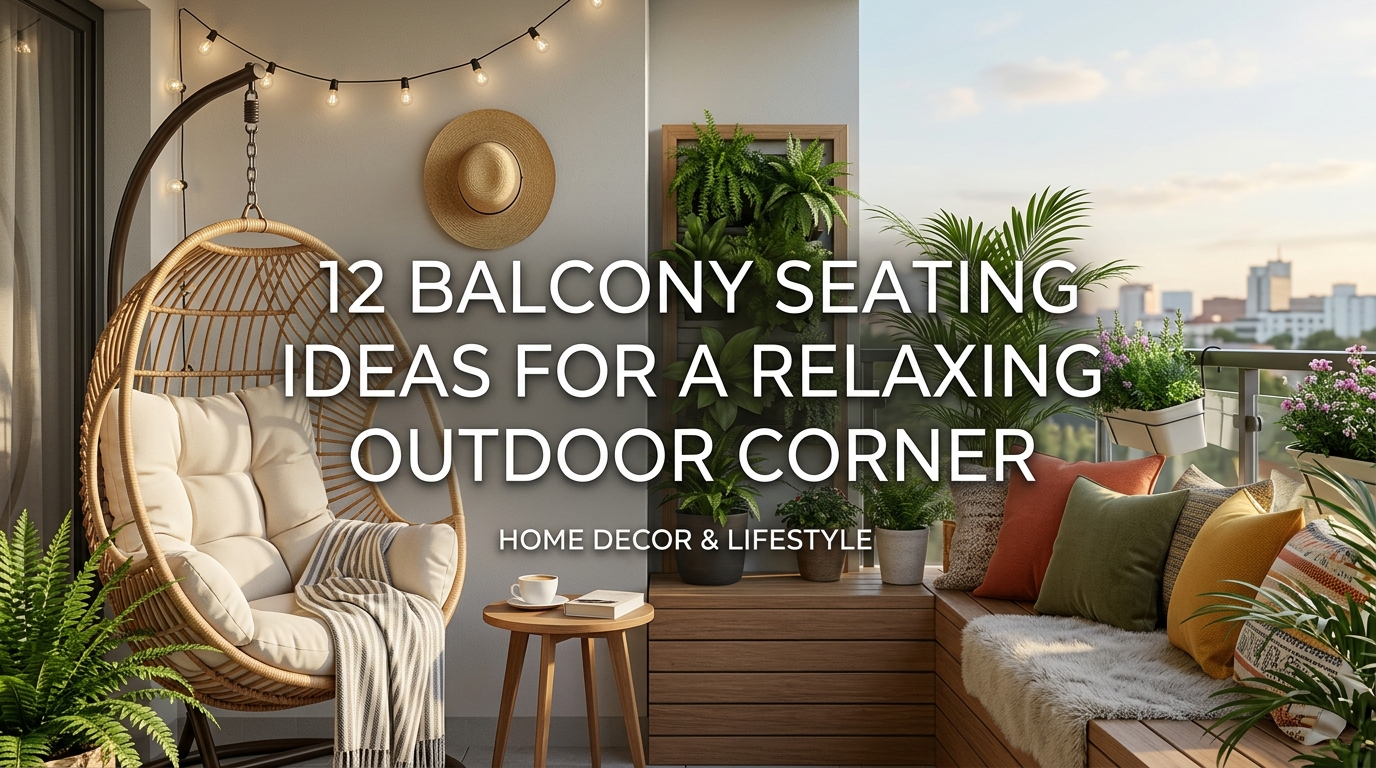
12 Balcony Seating Ideas for a Relaxing Outdoor Corner
A small balcony can feel surprisingly hard to decorate. You may have enough room for a chair, but not much else. Add the wrong furniture, and the whole space starts to feel cramped. Leave it empty, and it becomes another unused corner of your home.
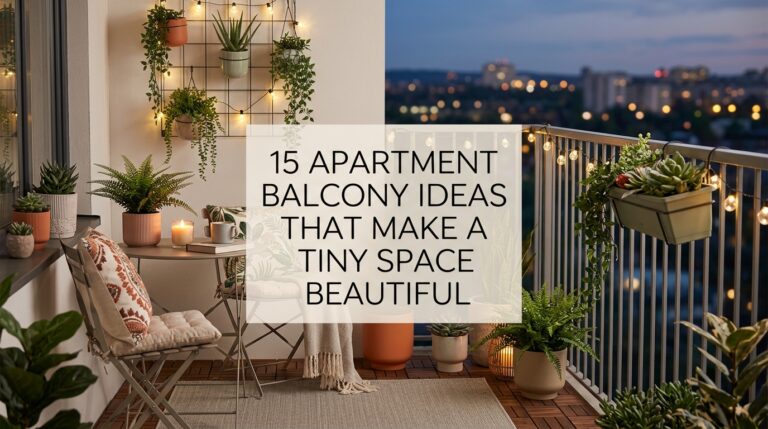
The right balcony seating ideas can help you create a relaxing outdoor corner without taking up every inch of floor space. A compact bench, a folding chair, or even a few well-placed floor cushions can make the area feel warm and useful. You do not need expensive patio furniture or a large terrace to make it work.
This guide covers 12 practical seating arrangements for balconies of different shapes and sizes. You will find ideas for reading, dining, entertaining, and slow morning coffee. Each option includes styling advice, space-saving tips, realistic price ranges, and small details that make the setup feel more personal. Start with the idea that best fits how you want to use your balcony, then build the rest of the decor around it.
1. Create a Soft Reading Nook with One Deep Chair
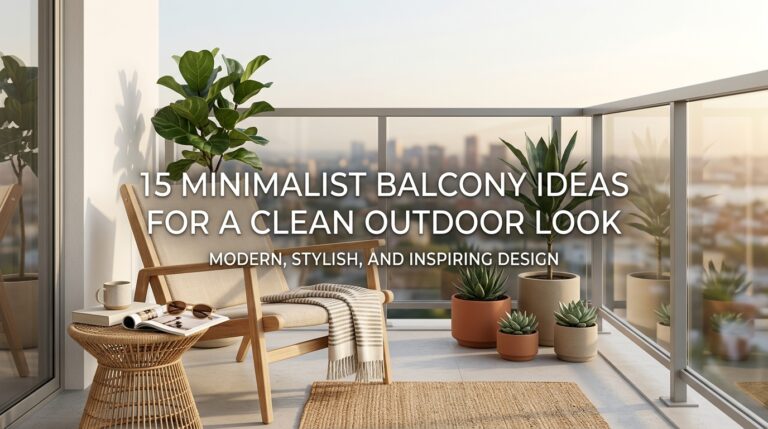
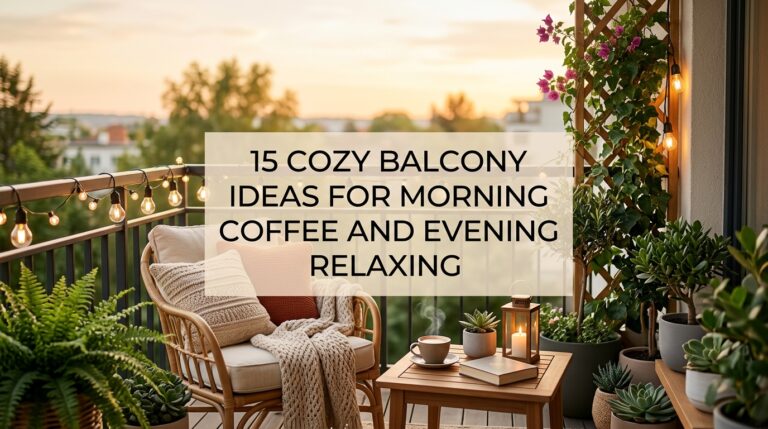
A single deep chair can turn an awkward balcony corner into a quiet place to read or rest. Picture a woven seat with a thick cream cushion, a linen pillow behind your back, and a light throw folded over one arm. Add a small plant and a ceramic mug nearby, and the space feels calm rather than crowded.
Choose a chair between 26 and 32 inches wide so you still have room to move around it. Wicker, powder-coated metal, and weather-resistant wood all work well outdoors. Place the chair at a slight angle instead of pushing it flat against the wall. This makes the arrangement feel softer and gives you a better view. A compact outdoor chair usually costs around $70 to $180, while secondhand options can be much less. In my experience, the biggest mistake here is buying a chair based only on appearance. Measure the seat depth and balcony doorway before you order.
2. Try a Folding Bistro Set for Flexible Balcony Seating
A folding bistro set brings the feeling of a small café to an apartment balcony. The slim table and two chairs create a lovely place for breakfast, evening drinks, or a quiet lunch in the sun. Natural wood feels warm and relaxed, while black metal adds a classic city-balcony look.
Choose a round table around 24 to 28 inches wide. It is easier to walk around than a square table with sharp corners. Folding chairs are especially useful because you can store one against the wall when you are alone. Add slim seat pads in striped canvas, muted green, or warm beige for comfort. Sets usually cost between $90 and $250. A budget-friendly swap is a small folding tray table paired with chairs you already own. A lot of people skip checking whether the chairs can fully open beside the table, but it makes all the difference in a narrow space.
3. Use a Built-In Bench for Long, Narrow Balconies
A built-in bench works beautifully on a long balcony where separate chairs would interrupt the walkway. It creates a clean line along one wall and gives you plenty of seating without using the center of the floor. With a thick seat pad, a few textured cushions, and warm wood underneath, the bench feels like a cozy extension of your living room.
You can build a simple bench from outdoor-rated plywood, treated lumber, or modular storage cubes made for covered spaces. A seat depth of 18 to 22 inches is usually comfortable. Keep the bench height close to 17 or 18 inches, then add a two-inch cushion. Leave space underneath for baskets, watering cans, or folded throws. A DIY version may cost $80 to $220, depending on materials. For a renter-friendly option, line up two low outdoor storage boxes and add one long cushion. Avoid building the bench too deep, or the balcony will feel like a narrow hallway.
4. Choose a Compact Loveseat for Two
A small outdoor loveseat creates a comfortable spot for two people without the scattered look of separate chairs. It makes the balcony feel grounded and welcoming, especially when paired with a low table and a few plants. Soft cushions in oatmeal, gray, or muted olive keep the setup relaxed and easy to style.
Look for a loveseat between 42 and 55 inches wide. Measure the balcony wall as well as the door swing before shopping. A raised frame with visible legs often feels lighter than a solid box-style base. Add one lumbar pillow and one square cushion instead of filling the seat with too many accessories. Compact loveseats usually range from $180 to $500, though simple metal frames can cost less. What I personally love about this is that it gives you enough room to stretch out alone while still working for guests. Do not place it where it blocks drainage or access to the railing.
5. Add Floor Cushions for Casual Balcony Seating Ideas
Floor cushions create a relaxed, low seating area that works well for renters and very small balconies. Large cushions in washed cotton, canvas, or woven fabric make the space feel soft and informal. Layer them over a flat outdoor rug, add a low tray table, and the balcony becomes a comfortable spot for tea, conversation, or weekend lounging.
Choose firm cushions at least 24 inches wide so they support your back and hips. Outdoor meditation cushions, square poufs, and thick bench pads can all work. Place one cushion against the wall and add a smaller pillow behind it for back support. Store everything indoors or inside a waterproof box when rain is expected. A simple setup costs around $40 to $140. I always recommend this when someone wants a change without starting over because it requires no heavy furniture. The common mistake is using thin decorative cushions as seats. They flatten quickly and are uncomfortable after a few minutes.
6. Hang a Chair for a Gentle, Relaxing Corner
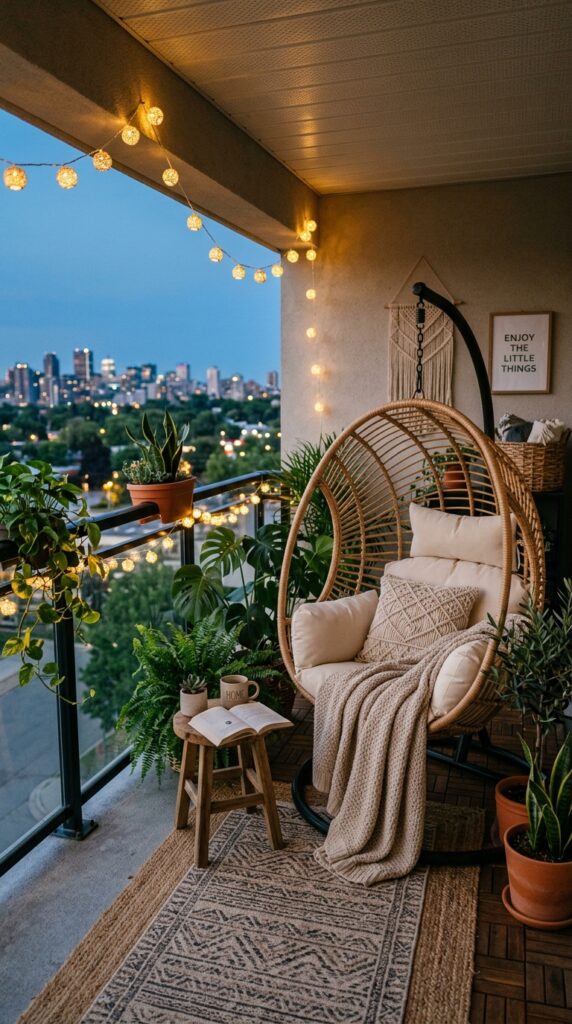
A hanging chair adds movement and softness to a balcony. A woven cocoon seat with a padded cushion feels private and comforting, almost like a small retreat above the floor. Add a light throw, a nearby plant, and warm evening lighting to create a spot that invites you to slow down.
Before installing anything, check whether the ceiling or beam can safely support the chair and the person using it. Renters should choose a hanging egg chair with its own metal stand rather than drilling into the structure. Look for a base that fits within a 36 to 42-inch footprint. Prices often range from $180 to $450. You may find a simpler hammock-style chair for $60 to $150, but it still needs proper support. In my experience, the biggest mistake here is ignoring the space needed for gentle movement. Leave several inches around the sides and back so the chair does not knock into walls or railing.
7. Style Two Slim Chairs Around a Tiny Table
Two narrow chairs can make a small balcony feel social without overwhelming it. Choose seats with open backs or slender metal frames so light can pass through them. A tiny table between the chairs keeps drinks, books, or candles within reach while maintaining a clean, balanced layout.
Place the chairs facing each other on a long balcony, or angle them toward the view on a square one. A table 14 to 18 inches wide is usually enough for two mugs. Metal garden stools, wooden stools, and lidded storage drums can all work as side tables. Expect to spend $100 to $280 for the full setup. Keep cushion colors connected, but they do not need to match exactly. A soft stripe on one chair and a plain linen cushion on the other can look more natural. Avoid wide armchairs, as the arms often take up valuable space without adding much comfort.
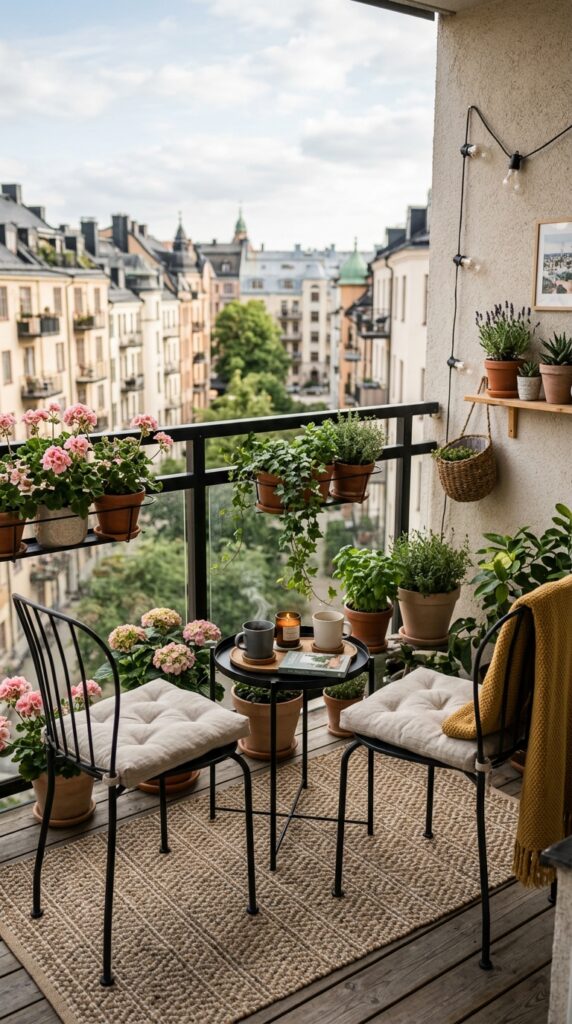
8. Use a Storage Bench for Seating and Clutter Control
A storage bench gives you a place to sit while hiding cushions, gardening tools, and outdoor accessories. It helps the balcony stay clean without adding a separate cabinet. With a fitted seat cushion and a few soft pillows, the bench looks like furniture rather than a storage container.
Choose a weather-resistant bench with a waterproof interior and a lid that stays open safely. For a small balcony, look for a width between 36 and 48 inches. Add a washable cushion in cream, charcoal, or muted blue, then use one patterned pillow for contrast. Prices range from $100 to $300. Resin benches are often more affordable, while wood versions feel warmer but need more care. What I personally love about this is that it supports decluttering without sacrificing comfort. Do not pack damp textiles inside. Let cushions dry fully first, or moisture and odor can build up.
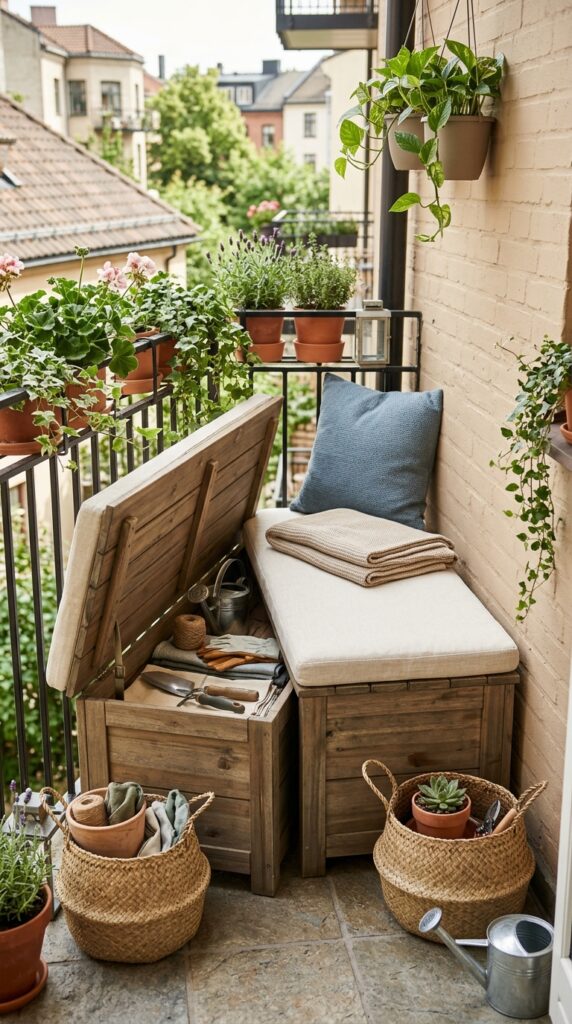
9. Build a Corner Banquette for More Seats
A corner banquette uses two walls at once, which makes it useful for square or enclosed balconies. The L-shaped layout creates a generous seating area for lounging or sharing a meal. With soft neutral cushions, a low table, and greenery behind it, the corner feels tucked away and comfortable.
Use modular outdoor benches or build two simple platforms that meet at a right angle. Keep each seat around 18 to 20 inches deep to preserve floor space. Choose one continuous color for the seat cushions, then layer in two or three smaller pillows. A DIY setup may cost $150 to $400, while ready-made modular pieces can cost more. Include a table that is light enough to move when someone needs to enter or leave the corner. A lot of people skip planning the entry path, but it makes all the difference. Test the layout with cardboard boxes before buying furniture.
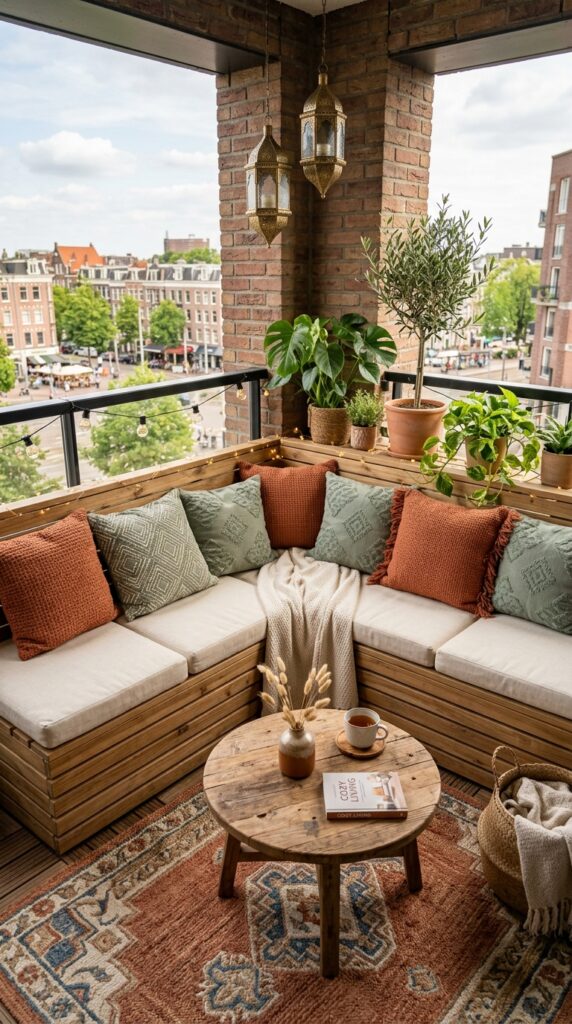
10. Add a Railing Bar with Tucked-In Stools
A railing bar is one of the most useful balcony seating ideas for very narrow spaces. It creates a surface for breakfast, working, or evening drinks while keeping the center walkway clear. Slim stools tuck underneath when they are not in use, so the balcony stays open and easy to move through.
Choose a railing-mounted table that is 10 to 16 inches deep. Make sure the mounting system matches the shape and thickness of your railing. Pair it with backless folding stools or narrow bar stools that slide underneath. A complete setup usually costs between $80 and $220. Choose treated wood, powder-coated steel, or another weather-resistant material. Add a small planter at one end instead of filling the surface with decor. The biggest mistake is installing the bar at an uncomfortable height. Test your stool height first and aim for roughly 10 to 12 inches of space between the seat and tabletop.
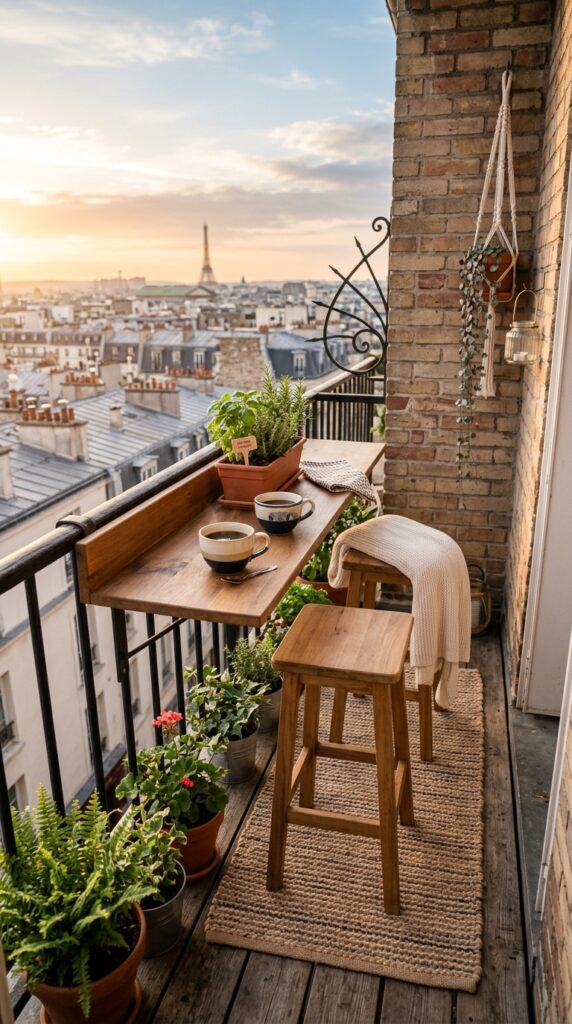
11. Try Stackable Chairs for Occasional Guests
Stackable chairs are useful when you want extra seating without keeping every chair on display. One or two can stay out for daily use, while the rest stack neatly in a corner until friends visit. Their simple shape keeps the balcony flexible and prevents it from feeling crowded.
Choose lightweight chairs made from metal, molded plastic, or weather-resistant wood. Open-back designs usually look less bulky in a small area. Add removable seat pads that can be stored inside when not needed. Individual chairs often cost $30 to $100 each, depending on material and quality. Place stacked extras behind a plant screen or beside a storage bench so they do not become the main visual focus. I always recommend neutral chair colors when space is tight, then adding color through cushions. Avoid stacking chairs that are still wet, since trapped moisture can cause marks, rust, or mildew.
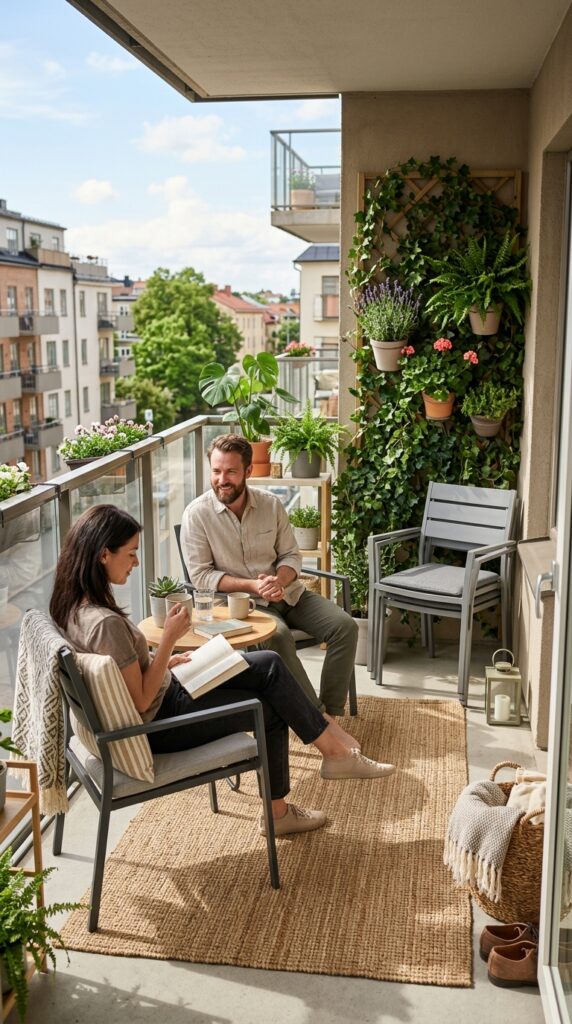
12. Create a Daybed-Style Lounge with a Low Platform
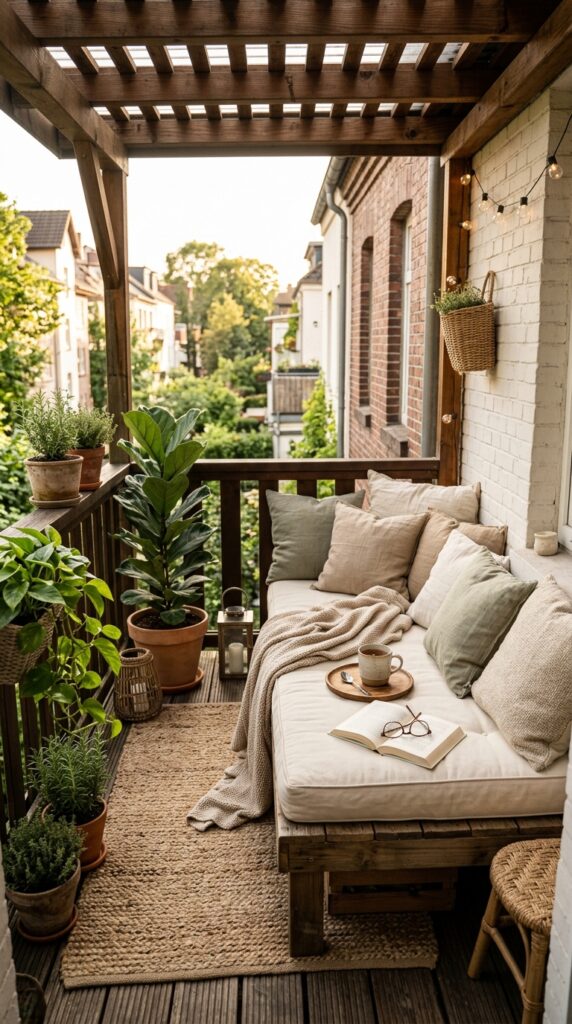
A low daybed makes a balcony feel like a private outdoor lounge. A simple wooden platform topped with a thick mattress-style cushion creates a soft place to stretch out, read, or rest. Layered linen pillows, a light cotton throw, and muted colors give the corner a relaxed, sheltered feeling.
Build the platform from treated pallet wood, outdoor plywood, or a low bench frame. Use high-density foam at least three inches thick, then cover it with removable outdoor fabric. Keep the width between 30 and 40 inches on a small balcony. A DIY version can cost $120 to $300, while ready-made balcony daybeds often cost $350 or more. Make sure the cushion can be moved indoors or stored safely during wet weather. What I personally love about this is how comfortable it feels without needing several pieces of furniture. Avoid building the platform so high that it blocks the view or railing airflow.
Conclusion
A relaxing balcony does not require a large floor plan or an expensive furniture set. The best seating setup is the one that matches your space and the way you actually want to use it. A folding bistro set may work well for outdoor meals, while a deep chair or daybed may suit quiet evenings and weekend reading.
These 12 balcony seating ideas give you several ways to create comfort without making a small outdoor area feel crowded. Start with one main seat, then add only the pieces you need around it. A slim table, one soft cushion, a washable rug, or a few plants may be enough to make the whole space feel warmer.
Measure carefully before buying anything, and leave a clear path to the door and railing. You can always add more decor later. Starting slowly often leads to a space that feels more personal and useful.
Which balcony seating idea would you try first? I’d love to hear what you’re planning for your outdoor corner.
FAQs
What type of seating is best for a small balcony?
Folding chairs, slim lounge chairs, storage benches, and railing bar stools work well in small spaces. The best choice depends on whether you want to dine, read, entertain, or stretch out. Always measure the available floor area and leave enough room to walk comfortably.
How do I make balcony seating more comfortable?
Use outdoor cushions made with dense foam and weather-resistant fabric. Add lumbar pillows when a chair or bench has a straight back. A small footstool can also make a basic chair feel much more relaxing without taking up too much room.
Can I leave balcony cushions outside?
Outdoor cushions can handle some moisture, but constant rain and damp weather will shorten their lifespan. Store them in a waterproof bench or bring them indoors when the weather is bad. Always let cushions dry fully before putting them into storage.
What is the cheapest way to add balcony seating?
Floor cushions, folding chairs, secondhand stools, and DIY pallet benches are affordable options. You can often create a simple seating corner for $40 to $120. Spend more on supportive cushions and weather protection rather than decorative extras.
How much space should I leave around balcony furniture?
Try to leave a walkway at least 24 inches wide between the furniture and the door or railing. Folding pieces can work with slightly less space when they are not in use. Check the door swing, drainage points, and emergency access before finalizing the layout.