How Long Should Gel Last on Nails? A Complete Wear Guide
It is frustrating to pay for a glossy gel manicure and notice lifting, dullness, or chipped tips only a few days later. You may wonder whether the application was poor, your daily routine is too rough on your hands, or gel polish simply does not last as long on your nails.
So, how long should gel last on nails? Most gel polish systems are designed to stay neat for about two to three weeks. CND states that its Shellac system provides at least 14 days of wear, while OPI says its professional GelColor system can last up to three weeks. Your results may vary depending on preparation, application, nail condition, growth, and daily activities. (opi-us)
This guide explains what normal gel wear looks like, why some manicures lift early, and when a set should be removed even if the color still looks glossy. You will also learn how to protect your natural nails, recognize possible irritation, and make a fresh manicure last longer without picking or covering damaged areas.
How Long Should Gel Last on Nails Under Normal Conditions?
A well applied gel manicure commonly stays smooth and chip resistant for around 14 to 21 days. Some systems promise two weeks of wear, while others are designed to remain glossy for as long as three weeks. The color may still look neat after that point, but natural nail growth usually creates a visible gap near the cuticle. (opi-us)
Think of the wear period as a range rather than a strict deadline. Someone who works with water, cleans frequently, or uses their nails to open packaging may notice wear sooner. In my experience, the biggest mistake is assuming that gel should remain untouched for as long as it physically stays attached. Watch the condition of the nail instead of focusing only on the calendar. A salon gel manicure may cost roughly $35 to $80 depending on the location, nail art, and removal service.
What Gel Nails Should Look Like After One Week
After one week, gel polish should usually remain glossy and firmly attached to the nail. You may see a very small growth line near the cuticle, but the edges should not be peeling away. Fine surface scratches can happen during normal activities, especially with dark or high shine colors.
Check the tips and sidewalls under good light. A tiny amount of wear at the free edge may not require removal, but an area that catches on hair or fabric needs attention. Do not pull, bite, or peel it. The American Academy of Dermatology warns that picking gel polish can damage the nail surface. (American Academy of Dermatology)
A clear top coat made for your gel system may cost around $10 to $25, but do not paint over lifting just to hide it. Contact the salon when a new manicure begins separating within the first few days.
What to Expect Around the Two Week Mark
Two weeks is a common point for checking whether your manicure still feels secure. The shine may remain strong, but the growth gap will be more visible. Short nails often continue to feel comfortable, while longer nails may begin to feel less balanced as the natural nail grows forward.
Look closely for lifted corners, cracks, or separation around the cuticle. A manicure that remains firmly attached can often be worn a little longer, especially if the nail underneath feels comfortable. CND describes its Shellac system as providing at least 14 days of wear without chipping or peeling when applied as part of the correct system. (Creative Nail Design)
What I personally love about the two week check is that it helps you schedule removal before the manicure becomes difficult to manage. Salon removal may cost around $10 to $25 when it is not included with a new service.
Can Gel Polish Stay on for Three Weeks?
Some professional gel systems are designed to provide up to three weeks of wear. OPI states that its GelColor system can remain glossy and durable for that length of time when correctly applied and cured. (opi-us)
Three weeks should not automatically become your target, though. Fast nail growth can create a large gap near the cuticle, and longer nails may feel less stable as the weight shifts forward. Any lifting, cracking, pain, or discoloration means the manicure should be assessed sooner.
A lot of people focus on getting the longest possible wear because gel costs more than regular polish. It is more useful to judge how the manicure feels and looks on your own nails. Booking removal or a new service every two to three weeks is a practical starting point, then you can adjust based on growth and nail condition.
Proper Nail Preparation Makes Gel Last Longer
Gel needs a clean, dry nail surface to adhere well. Residual oil, lotion, cuticle tissue, or dust can create small areas where the polish begins lifting. Professional systems commonly instruct users to prepare the nail carefully, apply thin coats, and avoid flooding the skin around the nail. (opi-us)
Before application, remove old polish and lightly clean the nail plate according to the product instructions. The cuticle should not be aggressively cut, since it protects the area where the nail grows. The American Academy of Dermatology advises against allowing the cuticle to be cut or pushed because damage can contribute to inflammation and infection. (American Academy of Dermatology)
In my experience, the biggest mistake is applying hand cream immediately before polishing. Keep lotion for after curing. Basic preparation supplies such as lint free wipes, a file, and nail cleanser may cost between $10 and $30.
Thin Gel Layers and Correct Curing Matter
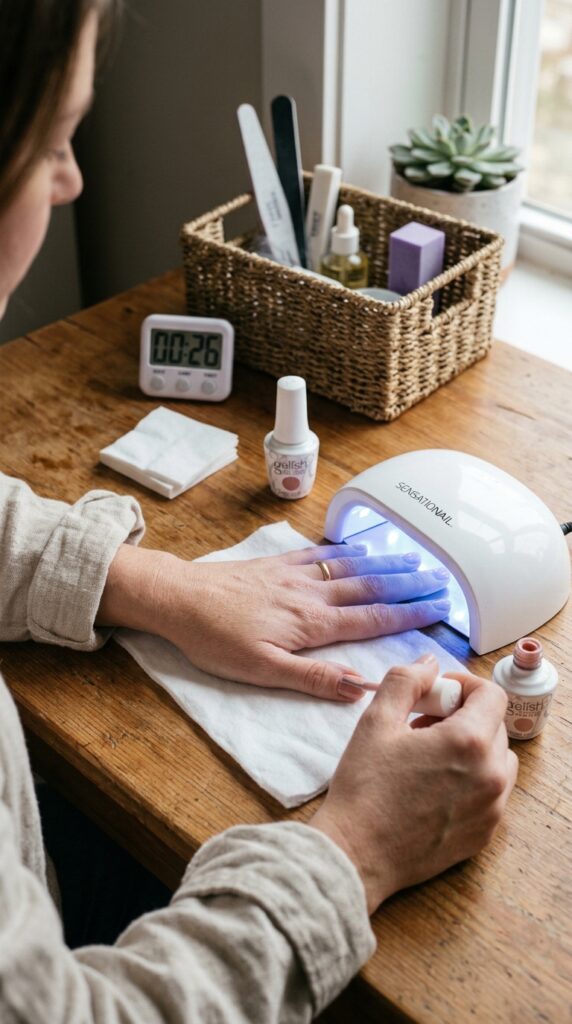
Gel polish performs best when each layer is thin and cured with the lamp recommended for that system. Thick coats can wrinkle, remain soft underneath, or pull away from the sides. OPI’s application instructions call for thin coats, a small margin around the cuticle, and sealing the free edge before curing. (opi-us)
Follow the brand’s curing time rather than guessing. Different lamps and products are not always interchangeable. Gel that remains on the surrounding skin or does not cure correctly can increase the chance of irritation or an allergic reaction. The FDA advises consumers to read nail product labels, follow warnings, and use products with good ventilation. (U.S. Food and Drug Administration)
A home gel lamp and starter system may cost around $40 to $120. Avoid mixing random products unless the manufacturers confirm they can be used together.
Water and Cleaning Products Can Shorten Wear
Frequent contact with water, detergents, and household chemicals can place stress on the skin around the nails and on the manicure edges. People who cook, clean, wash dishes, or work with wet materials may notice lifting sooner than someone whose hands stay mostly dry. The British Association of Dermatologists notes that frequent wet work and exposure to irritants can damage the nailfold and contribute to inflammation. (Bad)
Wear household gloves when washing dishes or cleaning. Dry your hands well afterward and apply a small amount of moisturizer around the cuticles. Avoid using the nails to scrape labels, open cans, or lift tight lids.
A reusable pair of household gloves usually costs around $5 to $15. What I personally love about this simple habit is that it protects both the manicure and the surrounding skin without adding another beauty product.
Nail Length and Shape Affect Gel Wear
Short oval, rounded, and soft square nails often experience less leverage during daily tasks than very long extensions. Longer nails are more likely to strike hard surfaces, bend, or catch on clothing. The gel may remain glossy, but the structure underneath can become stressed.
Choose a length that matches how you work, type, cook, and exercise. Ask for a little less length if you regularly notice cracks at the sidewalls or tips. A rounded corner can also reduce snagging compared with a sharply filed square edge.
A common mistake is choosing a shape based only on a reference photo without considering your natural nail width or routine. Shortening and reshaping at a salon may cost around $10 to $25 when booked separately. A home glass file generally costs between $8 and $20, but do not file heavily through gel that has begun lifting.

Daily Care That Helps Gel Last
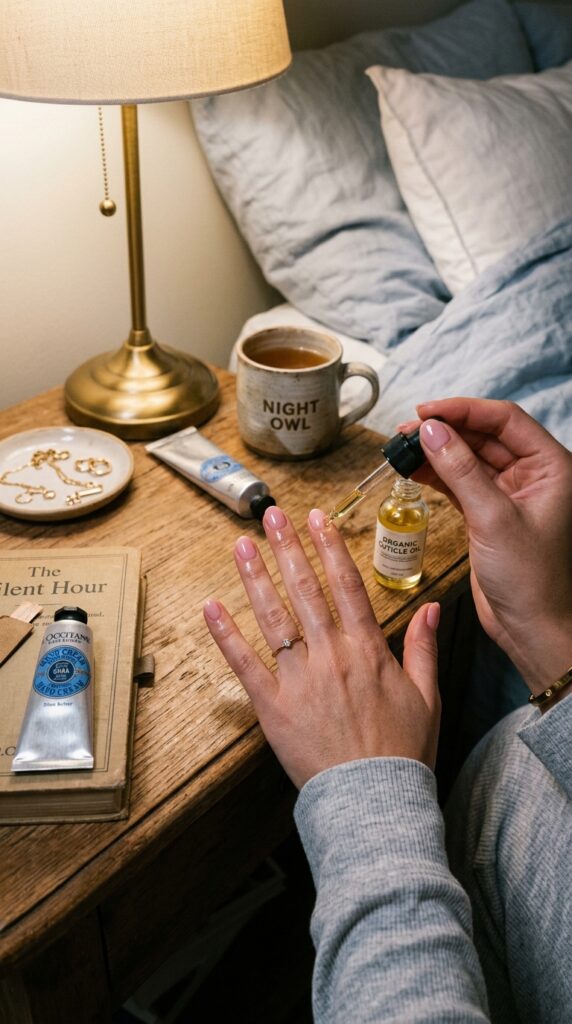
Small habits can help preserve shine and reduce wear around the edges. Apply cuticle oil or a simple moisturizer around the nails, wear gloves for wet work, and avoid using your fingertips as tools. The American Academy of Dermatology recommends moisturizing the nails and cuticles between gel manicures to reduce brittleness and chipping. (American Academy of Dermatology)
Keep a small oil bottle near your bed or desk and use only a drop across each hand. Too much product can feel greasy and is not necessary. A clear gel top coat should only be added when it is compatible with the existing system and the manicure is not lifting.
Cuticle oil and hand cream often cost around $10 to $30 together. A lot of people buy several products but forget the basic habit of protecting their hands during cleaning. Consistency is more useful than a crowded nail care drawer.
Remove Gel Early When It Starts Lifting
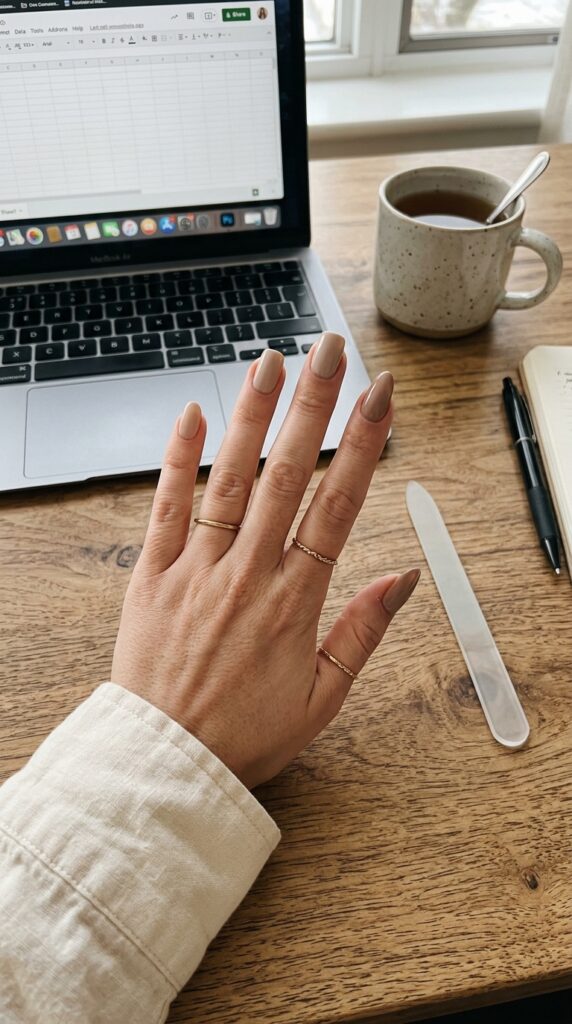
Gel should be removed when it separates from the nail, catches on hair, or creates a visible pocket underneath. Do not glue the lifted section down or cover it with another color. The space will still remain beneath the product, and the natural nail cannot be inspected properly.
Picking is not a safe removal method. The American Academy of Dermatology warns that peeling, scraping, or filing gel away can injure the nail and cause visible damage. (American Academy of Dermatology)
Book professional removal if the lifting is widespread or if you are unsure which product was used. A single small chip at the tip may be filed and sealed by a technician, but separation near the cuticle needs more care. Removal commonly costs around $10 to $30, depending on the product and salon.
Watch for Pain, Itching, Swelling, or Discoloration
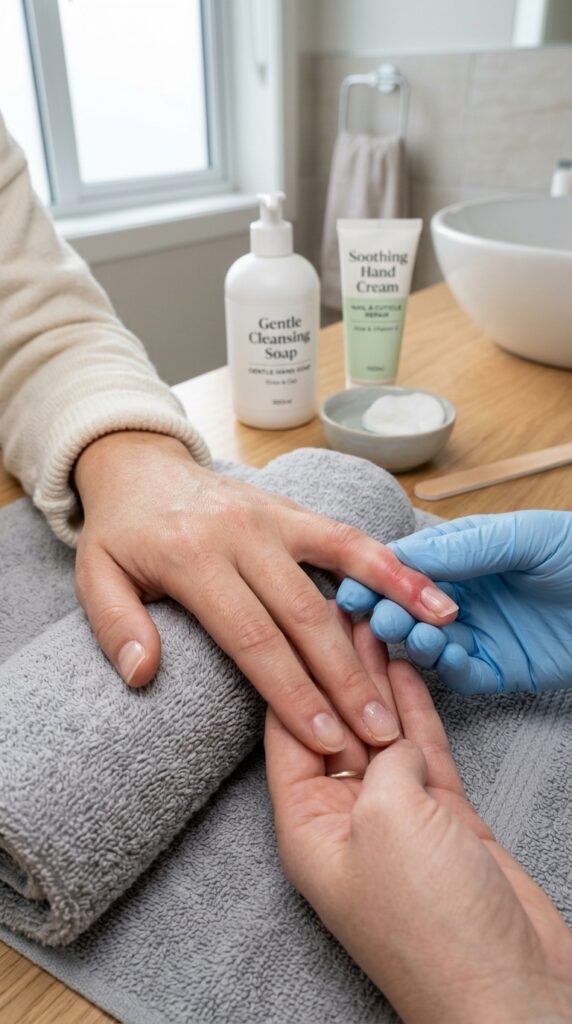
Gel wear should not cause burning, persistent itching, swelling, blisters, increasing pain, or discharge. These signs can be linked to irritation, an allergic reaction, or infection and should not be hidden under a fresh manicure. NHS guidance describes contact dermatitis symptoms including redness, itching, burning, stinging, cracking, and fluid filled blisters. (nhs.uk)
The British Association of Dermatologists also notes that inflamed nailfolds can become swollen, sore, discolored, or tender, and that infection may involve pus or nail lifting. (Bad)
Stop using the product and seek medical advice when symptoms are severe, worsening, or showing possible infection. Do not immediately switch to another gel brand and cover the area. Medical care costs vary, but early attention is more important than preserving the manicure.
Remove Gel Without Peeling the Nail Surface
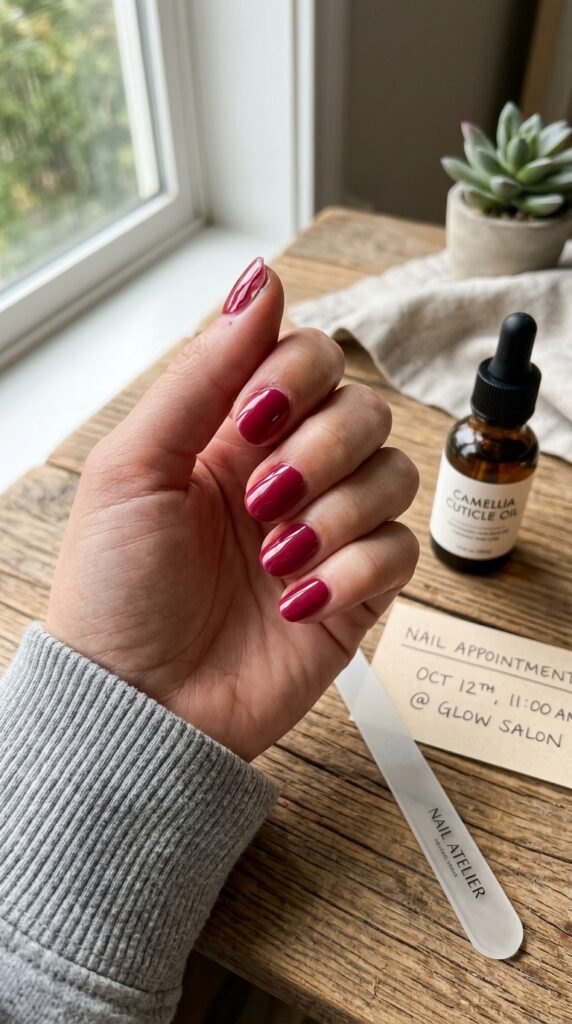
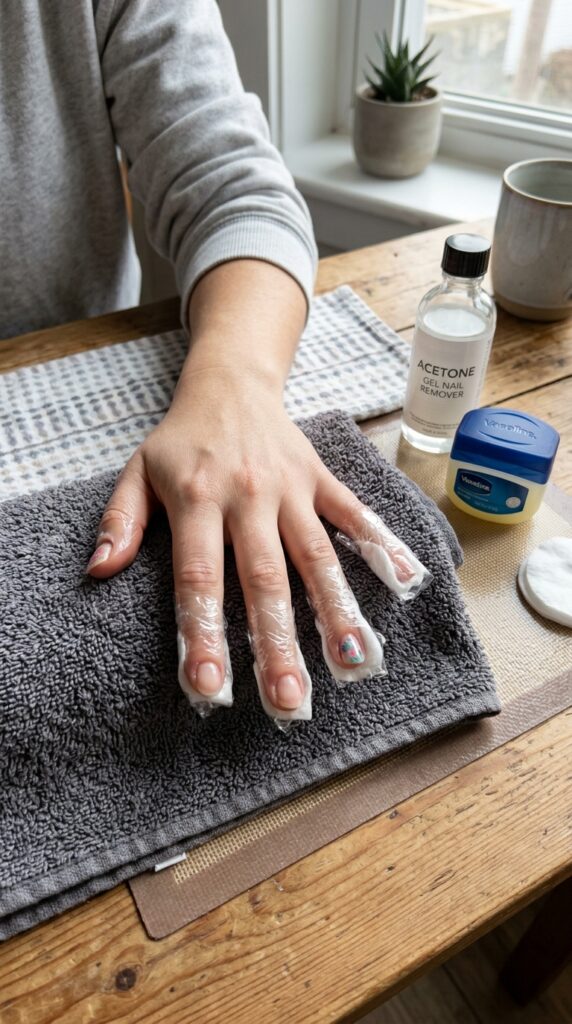
Proper removal usually involves softening soak off gel with acetone rather than pulling it away. The American Academy of Dermatology recommends protecting the surrounding skin with petroleum jelly, placing acetone soaked cotton on each nail, and wrapping it so the product can loosen. Its current home removal guide suggests about ten minutes before gently removing softened residue. (American Academy of Dermatology)
Use cotton sized to the nail so acetone does not sit unnecessarily on the surrounding skin. Work on one hand at a time and follow the instructions for the exact gel system. Hard gel and some builder products may require professional filing rather than soaking.
In my experience, the biggest mistake is forcing off gel that has not softened. Add more soaking time instead. A home removal setup with acetone, cotton, petroleum jelly, and wraps may cost between $10 and $25.
Give Dry or Brittle Nails Time to Recover
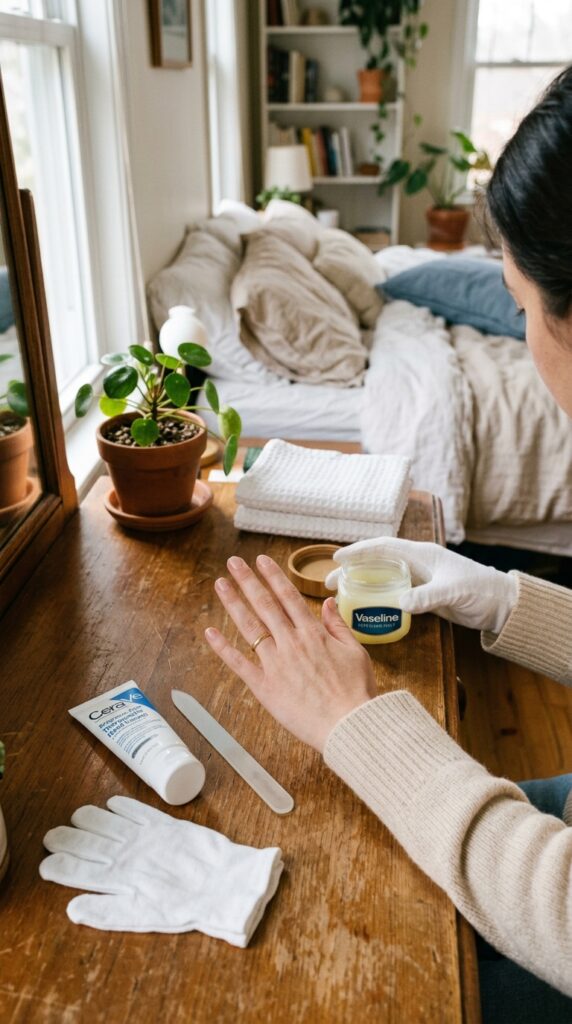
If your nails feel thin, rough, peeling, or sensitive after removal, consider taking a break before the next gel service. The American Academy of Dermatology advises a nail polish break of one to two weeks or longer and recommends moisturizing the nails and cuticles several times a day between gel manicures. (American Academy of Dermatology)
Keep the nails short while damaged areas grow out. Apply petroleum jelly, fragrance free hand cream, or cuticle moisturizer and wear gloves during wet work. Avoid aggressive buffing because it removes more of the already weakened nail surface.
A simple recovery kit may cost around $10 to $30. What I personally love about this approach is that it focuses on comfort rather than covering every mark immediately. See a dermatologist if the changes persist or you notice unusual color, shape, or pain.
Salon Gel Versus At Home Gel Wear
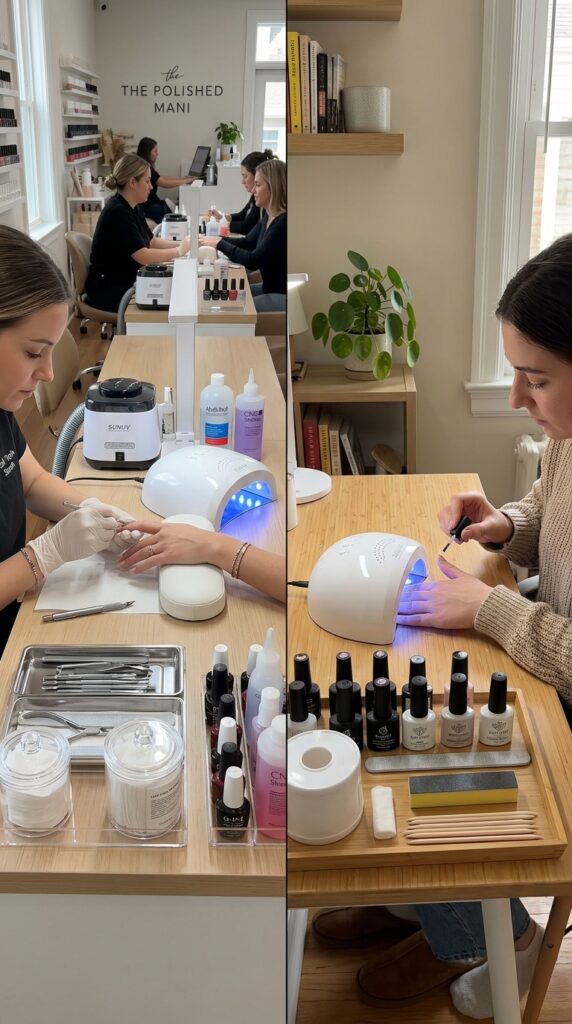
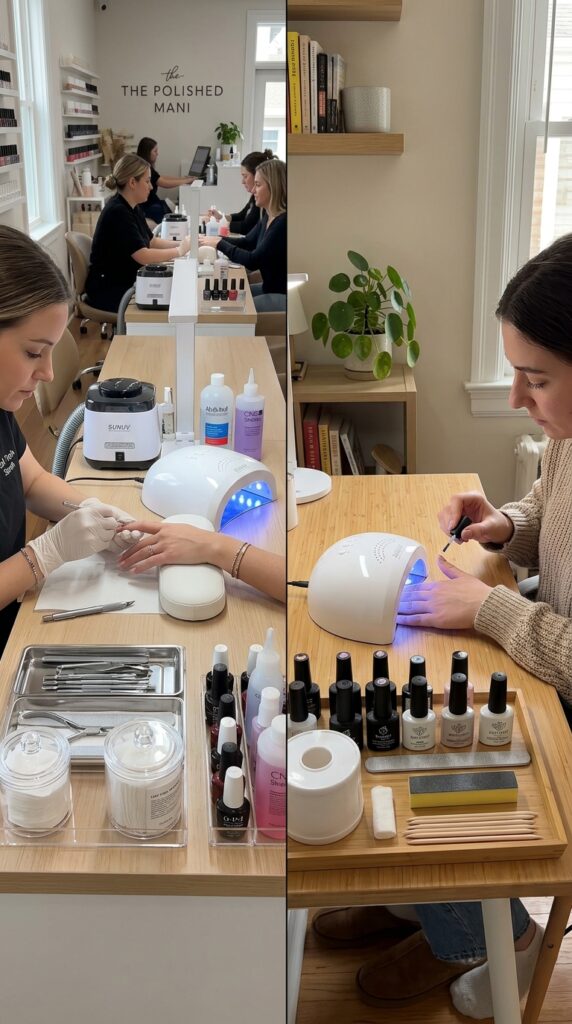
A salon manicure may last longer when a trained technician prepares the nails carefully, matches the products with the correct lamp, and controls the thickness near the cuticles. At home results can still be neat, but learning the timing and application usually takes practice.
Use one complete system where possible and follow the manufacturer’s instructions. Do not let uncured gel touch the skin. Check that the lamp is recommended for the products rather than choosing curing time based only on brightness or wattage. Nail products can cause allergic reactions or irritation, so the FDA advises careful label reading and correct use. (U.S. Food and Drug Administration)
A home starter kit may cost between $40 and $120, while salon pricing varies by location. I always recommend beginning with plain color before trying thick art, chrome, or builder gel at home.
Protect Your Hands During Gel Curing
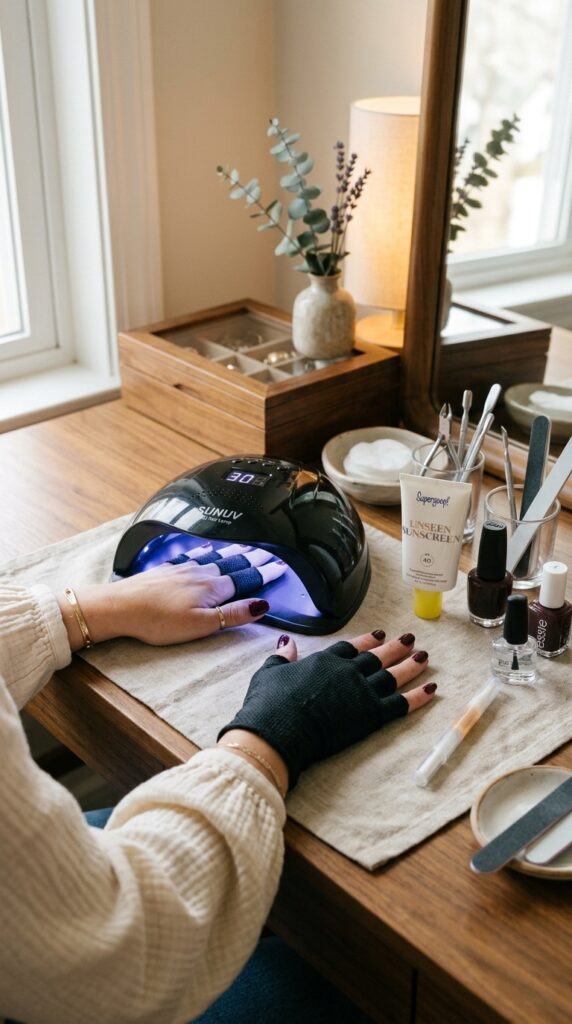
Gel lamps use ultraviolet radiation to cure the product. The American Academy of Dermatology advises applying broad spectrum, water resistant sunscreen with SPF 30 or higher to the hands before a gel manicure. It also suggests dark opaque fingerless gloves as another option. (American Academy of Dermatology)
Apply sunscreen far enough in advance to follow the product directions, while keeping the nail plate clean for polish adhesion. Fingerless manicure gloves can cover the skin while leaving each nail exposed. Do not apply sunscreen directly over the nail surface immediately before gel application.
Sunscreen or reusable manicure gloves may cost around $10 to $35. A common mistake is assuming an LED lamp produces no ultraviolet exposure. Follow dermatologist guidance whether the device is described as UV or LED curing equipment.
How Long Should Gel Last on Nails Before Removal?
For most people, a gel manicure should remain presentable for roughly two to three weeks. Two weeks is a useful point for inspecting growth and wear. By the third week, many people will have enough growth that removal or renewal feels more comfortable, even if the color still looks glossy. Product claims vary, with CND describing at least 14 days of wear and OPI describing up to three weeks for its professional system. (opi-us)
Do not keep gel on simply to reach a certain number of days. Remove it sooner if you notice lifting, cracks, discomfort, itching, swelling, or unusual color. Nail condition matters more than extending the appointment.
A well maintained manicure does not require expensive aftercare. Start with one or two habits, such as wearing cleaning gloves and applying cuticle oil each evening. Careful preparation and gentle removal often matter more than buying extra products.
Which gel wear problem do you notice most often: lifting, chipping, or visible growth?
Frequently Asked Questions
Is it normal for gel nails to last only one week?
A gel manicure that begins peeling or lifting within a week may have had preparation, application, curing, or product compatibility problems. Daily wet work and using the nails as tools can also shorten wear. Contact the salon if a fresh manicure separates after only a few days.
Can I wear gel polish for four weeks?
The polish may remain attached for four weeks, but that does not mean it should always stay on that long. A large growth gap, lifting, cracking, or imbalance can make the manicure less comfortable. Inspect the nails carefully and arrange removal when the product begins separating.
Why does gel lift near the cuticle?
Lifting near the cuticle can happen when oil, lotion, dust, or loose cuticle tissue remains on the nail plate. Gel touching the skin or being applied too thickly can also affect the edge. Do not peel the lifted section or glue it back down.
Does cuticle oil make gel polish lift?
Cuticle oil applied after the manicure should not normally cause properly adhered gel to lift. It can help moisturize the skin and nail area. Oil or lotion left on the nail plate before application, however, may interfere with adhesion.
Should nails rest between gel manicures?
A break can be useful when the nails feel brittle, peeling, cracked, or sensitive. The American Academy of Dermatology suggests taking a polish break for one to two weeks or longer and moisturizing the nails and cuticles during that time. (American Academy of Dermatology)