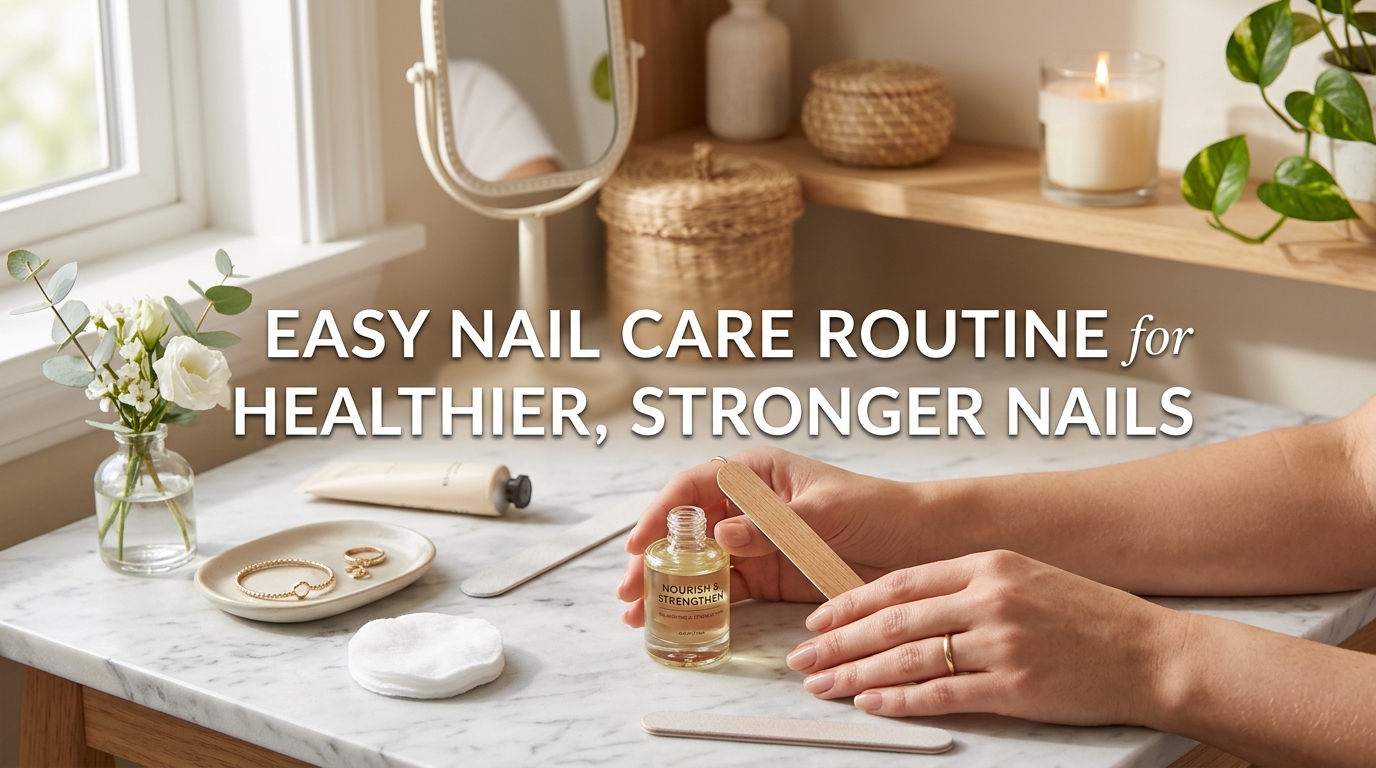
Easy Nail Care Routine for Healthier, Stronger Nails
Weak, peeling, or constantly breaking nails can be frustrating. You may apply polish to hide the damage, only to notice chips, rough edges, and dry cuticles a few days later. The problem is often not one dramatic mistake. It is usually a mix of small habits, such as frequent handwashing, harsh remover, skipped moisturizer, or using your nails as tools.
This easy nail care routine for healthier, stronger nails focuses on ten simple steps you can repeat at home. You do not need a crowded beauty shelf or an expensive weekly manicure. A gentle file, nourishing hand cream, cuticle oil, protective base coat, and a few practical changes can make your routine much easier to maintain.
The goal is not instant length. Healthy nails need time to grow, so consistency matters more than aggressive treatments. This guide explains how to shape your nails, protect them from water and chemicals, care for your cuticles, remove polish gently, and notice when a nail change may need professional advice. Start with the steps that solve your biggest problem, then build the rest into your week.
1. Begin Your Easy Nail Care Routine With Clean, Dry Nails
A calm nail care session starts with clean hands and a clear view of each nail. Once old polish, hand cream, and surface dirt are removed, you can see rough edges, peeling layers, dry skin, and areas that may need extra care. Soft cotton, warm light, and an uncluttered tray can also make the routine feel less rushed.
Wash your hands with mild soap, then dry them carefully, including around the fingertips. If you are wearing polish, remove it before filing or applying treatment. Avoid soaking your nails for a long time before shaping them because wet nails can feel softer and may bend more easily. In my experience, the biggest mistake here is starting while the nails are still damp. A mild cleanser, cotton pads, and remover usually cost between $8 and $25.
2. File in One Direction to Prevent Rough Edges
Freshly shaped nails look smoother and feel less likely to snag on clothing or hair. A soft oval, rounded square, or short almond shape can make natural nails appear neat without requiring much length. The finish should feel clean rather than overly sharp.
Use a fine-grit nail file on dry nails. File from the outer edge toward the center, then repeat on the other side. Use light pressure and check the shape after every few strokes. Avoid sawing aggressively back and forth because this can leave the edge rough and uneven. What I personally love about keeping a small file nearby is that you can fix a tiny snag before it turns into a larger break. A glass or fine-grit file usually costs between $5 and $18.
3. Keep Nails at a Manageable Length
Long nails can look beautiful, but length is not helpful if the tips split every few days. Shorter nails often feel stronger because there is less free edge catching on bags, drawers, bedding, and everyday objects. A neat, even length can also make bare nails look more polished.
Trim your nails when the free edge becomes difficult to manage. Use clean clippers, then soften any sharp corners with a file. Match the length to your daily routine rather than copying a shape that does not suit your work or hobbies. A lot of people skip this step, but keeping every nail close to the same length reduces the urge to overfile one damaged finger. Avoid tearing or peeling a broken edge. Basic clippers and a file usually cost between $8 and $25.
4. Apply Cuticle Oil Every Day
Dry cuticles can make even neatly shaped nails look rough. A small amount of oil adds softness around the nail plate and creates a healthy, cared-for appearance. The skin feels more comfortable, especially after frequent washing or cold weather.
Massage one drop of cuticle oil into each nail and the surrounding skin once or twice a day. Jojoba-based oils feel light, while almond, vitamin E, and simple blended oils also work well for many people. Apply it after washing your hands or before bed so it becomes part of an existing habit. Avoid pouring on too much because excess oil can feel messy and end up on clothing. I always recommend keeping a pen-style oil beside your bed or computer. Cuticle oil usually costs between $6 and $20.
5. Moisturize Hands After Washing
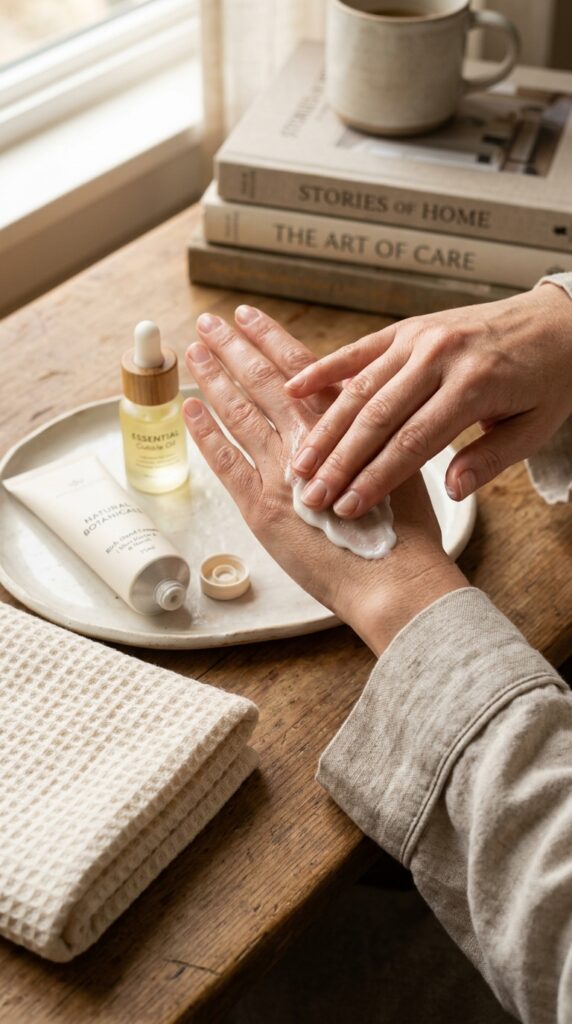
Frequent handwashing can leave the skin around your nails tight, dull, and dry. A rich hand cream helps restore softness and makes the whole manicure look smoother, even when you are not wearing polish. Fresh cotton towels and a lightly scented cream can turn a basic step into a calm daily habit.
Apply hand cream after washing, after cleaning, and before bed. Focus on the backs of your hands, fingertips, and cuticle area. Choose a fragrance-free formula if your skin is easily irritated. In my experience, the biggest mistake here is applying cream only once the skin already feels cracked. A smaller amount used regularly is usually easier to maintain. Avoid applying heavy cream right before polishing because oils may affect adhesion. A reliable hand cream generally costs between $5 and $25.
6. Protect Your Nails From Water and Cleaning Products
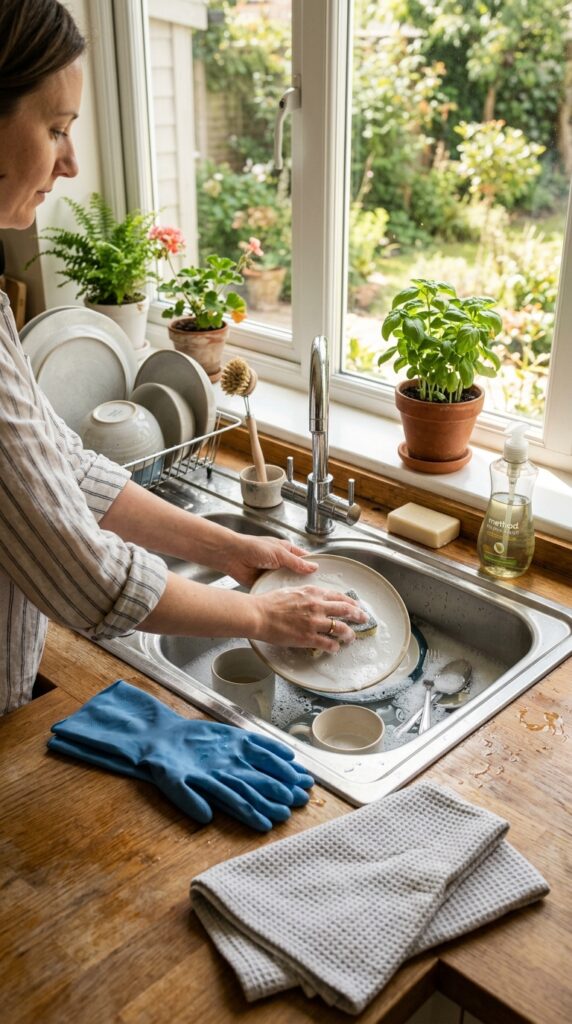
Long exposure to water can leave nails feeling soft, while detergents and cleaning sprays may dry the skin around them. Dishwashing, bathroom cleaning, and scrubbing can also create small knocks that lead to chips or splits.
Wear lined household gloves when washing dishes or using cleaning products. Keep one pair in the kitchen and another near your cleaning supplies so you do not have to search for them. Dry your hands after any task that leaves them wet. A lot of people skip this step, but it makes all the difference when peeling is caused by daily chores rather than nail polish. Avoid using very tight gloves that make your hands sweat heavily. Reusable household gloves usually cost between $5 and $15 per pair.
7. Use Your Nails Gently During Everyday Tasks
Nails are easy to damage when they become substitutes for tools. Opening cans, scraping labels, pressing stiff buttons, and picking at packaging all place pressure on the tips. The damage may begin as a tiny split before growing into a full break.
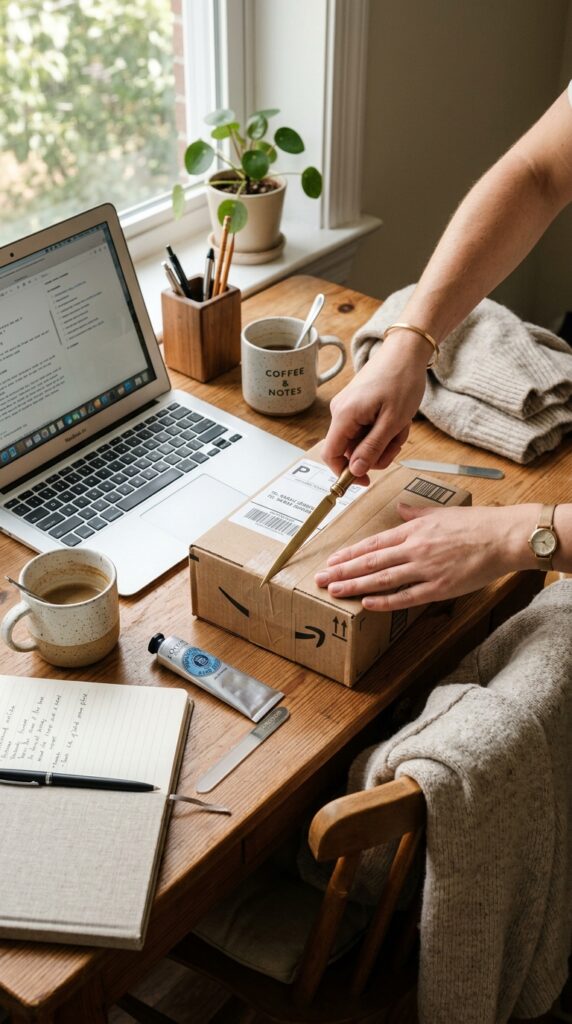
Use a spoon, coin, letter opener, or small tool instead of your nails. Type with the pads of your fingers rather than the tips when possible. If one corner catches, file it instead of pulling it away. What I personally love about this change is that it costs nothing and protects every manicure, whether your nails are bare, polished, or covered with gel. Avoid tapping long nails against hard surfaces out of habit. A small desk tool kit may cost between $5 and $20, though you may already have what you need at home.
8. Choose a Gentle Base Coat
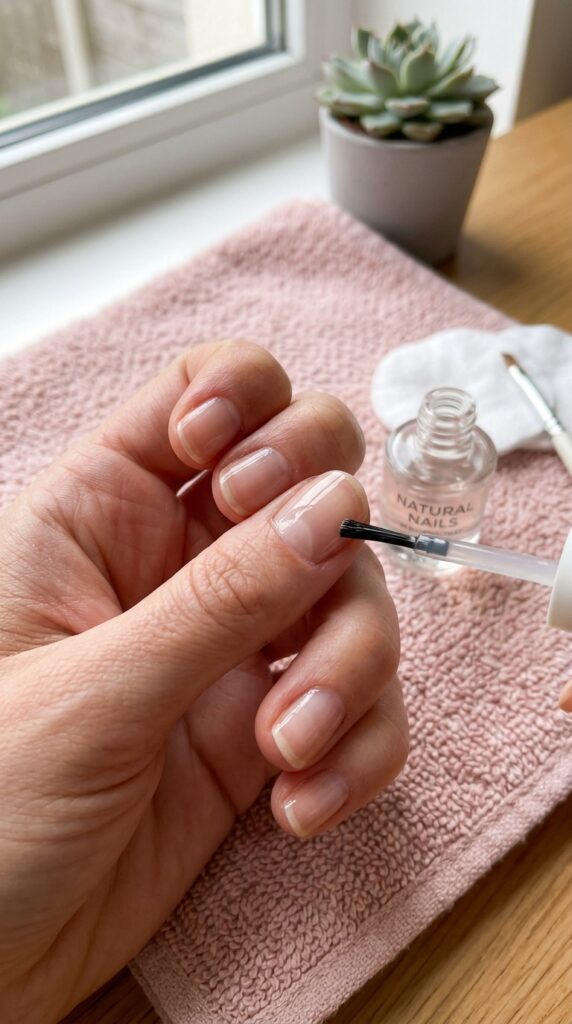
A clear base coat can make natural nails look smoother while adding a light protective layer beneath color. Some formulas create a glossy finish, while others help fill ridges or reduce staining from darker polish.
Apply one thin coat to clean, dry nails and allow it to set before adding color. Look for a formula made for your main concern, such as ridge filling, flexible protection, or stain prevention. Avoid stacking many thick treatment layers because stiff polish can chip and peel away. In my experience, a simple flexible base is often easier to wear than a very hard coating. Remove it gently once it begins to lift rather than peeling it off. A good base coat usually costs between $8 and $22.
9. Remove Nail Polish Without Peeling It Off
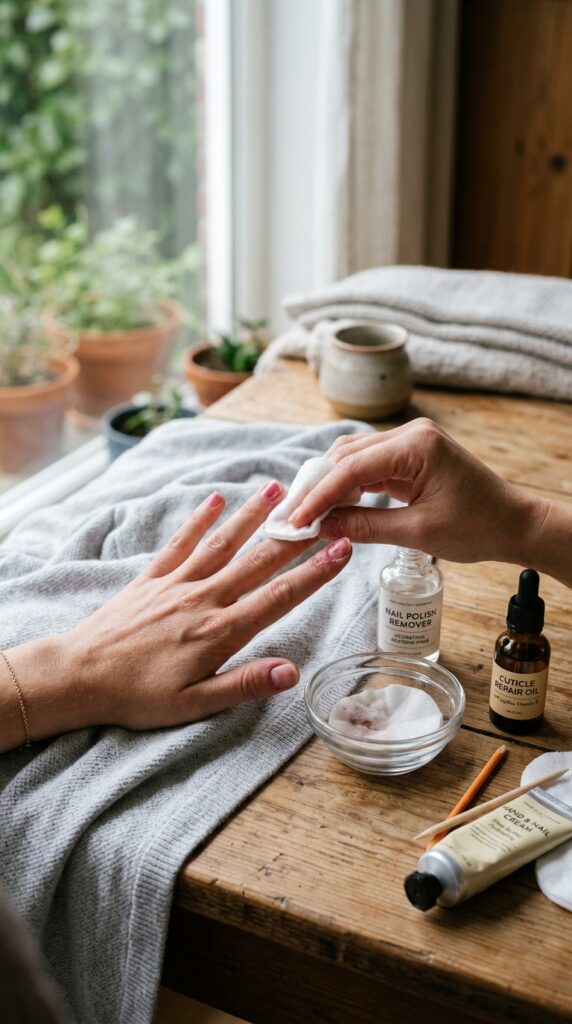
Peeling polish can feel satisfying, but it may pull away surface layers of the nail at the same time. This can leave white patches, rough texture, and weaker tips. Gentle removal keeps the nail plate looking smoother between manicures.
Saturate a cotton pad with remover, press it against the nail for several seconds, then wipe gently. Glitter polish may need a longer hold. Use acetone when it is required for stubborn product, but follow with cuticle oil and hand cream to reduce dryness. Avoid scraping polish with metal tools. A lot of people skip the moisturizing step after removal, even though the skin often feels driest at that point. Remover, cotton pads, and moisturizer usually cost between $10 and $30.
10. Support Stronger Nails With Consistent Overall Care
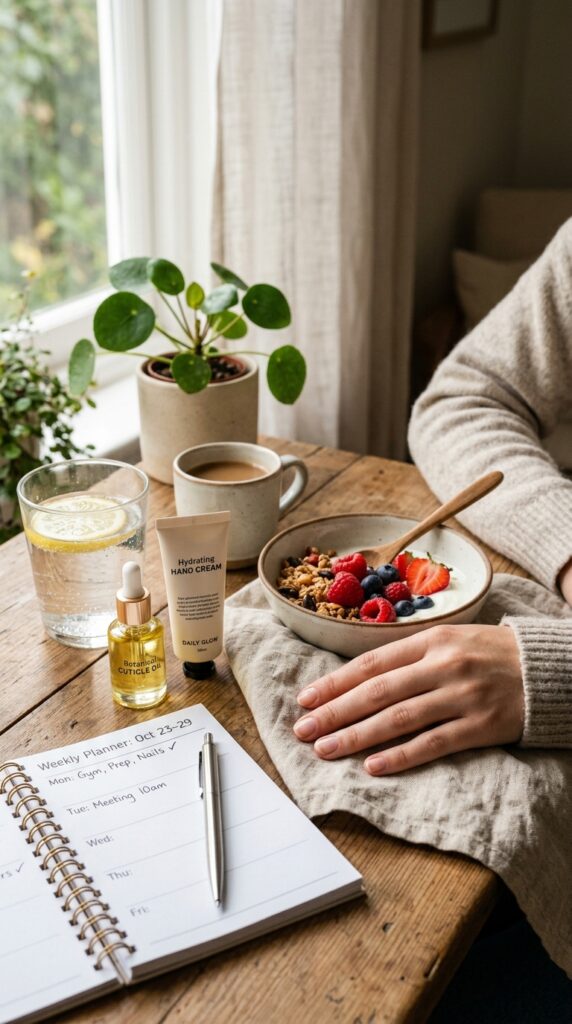
Nail care products help with appearance and protection, but your general habits matter too. Nails grow slowly, so improvements often appear gradually rather than after one treatment. A simple routine followed for several weeks is usually more useful than switching products every few days.
Eat a varied diet with enough protein and a range of nutrient-rich foods. Stay hydrated according to your needs, protect your hands, and give damaged nails time to grow out. Avoid taking high-dose supplements for nail growth without discussing them with a qualified healthcare professional, especially if you take medication or have health concerns. Seek medical advice for pain, swelling, sudden color changes, deep grooves, lifting, or changes that do not improve. Basic home care may cost $25 to $75 to set up, depending on what you already own.
Build an Easy Nail Care Routine You Can Maintain
Healthier-looking nails do not require a long shelf of expensive treatments. Most of the useful changes are simple: file gently, moisturize often, protect your hands during chores, and stop using your nails to open or scrape things. These small habits can reduce daily wear while your nails gradually grow.
The best easy nail care routine for healthier, stronger nails is one you can repeat without feeling overwhelmed. Start with one or two steps this week. Keep cuticle oil beside your bed, place gloves near the sink, or carry a small nail file in your bag. Once those habits feel natural, add a weekly shaping and polish-removal session.
Be patient with visible progress. Fingernails take time to grow, so damaged sections need to move toward the tip before you can trim them away. If you notice pain, swelling, sudden discoloration, or a major change in nail shape or texture, speak with a qualified healthcare professional instead of covering it with polish.
Which step would you add to your routine first? I’d love to hear what you’re planning.
Frequently Asked Questions
How often should I follow a nail care routine?
Daily care can be as simple as applying hand cream and cuticle oil. Shape your nails every one to two weeks, depending on how quickly they grow. Remove chipped polish gently rather than leaving loose sections that you may start peeling.
How long does it take for nails to look healthier?
You may notice softer cuticles and smoother edges within a few days of regular care. Damage within the nail plate has to grow out, which can take several months. Consistent habits matter more than expecting a quick change from one product.
Does cuticle oil make nails stronger?
Cuticle oil mainly conditions the skin and helps reduce dryness around the nail. Keeping the nail area flexible and moisturized may also reduce snagging and brittle-looking edges. It should be part of a broader routine rather than the only treatment you use.
Should I cut my cuticles at home?
It is usually safer to moisturize the cuticles and gently push back loose skin after a shower or handwashing. Cutting living skin can cause soreness, bleeding, or infection. Only trim a clearly detached hangnail with clean tools, and do not pull it.
When should nail changes be checked by a doctor?
Seek professional advice if you notice pain, swelling, pus, sudden dark streaks, major color changes, nail lifting, or changes that continue without a clear cause. Nail changes can sometimes reflect irritation, infection, injury, or another health issue. Avoid relying on home remedies when symptoms are painful or getting worse.